



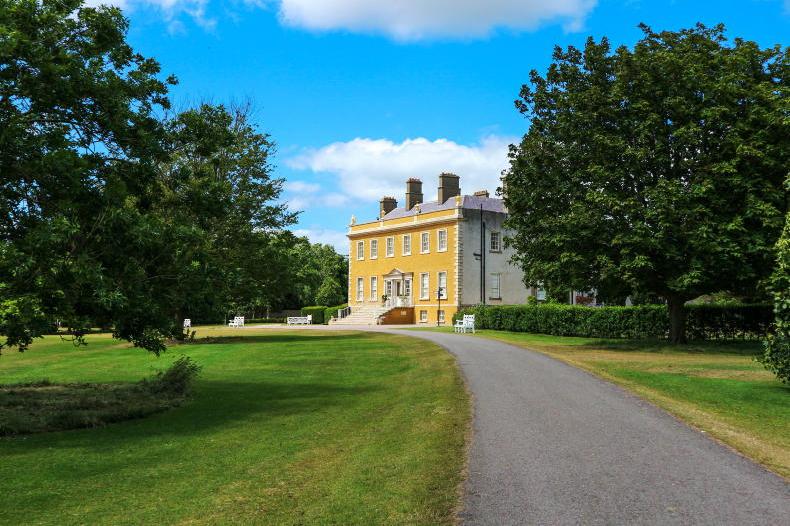
Nestled just north of Dublin in Donabate, Newbridge House and Farm offers a unique journey into the past. Boasting one of Ireland’s finest 18th-century Georgian mansions, the estate spans over 300ac of beautiful parkland but what truly sets it apart is its working traditional farm.
Far from simply a static museum, Newbridge House was originally a country retreat for Archbishop Charles Cobbe that was subsequently transformed into a showcase of Georgian elegance under the stewardship of his son, Thomas Cobbe MP, and his wife Lady Elizabeth Beresford, aka Lady Betty.
The adjoining farm is a living, breathing landscape dedicated to the protection of rare, indigenous farm animals and the deep storytelling of Irish rural life.
It offers guests a chance to experience something they won’t find anywhere else – the opportunity to get up close with rare Irish farm breeds of cattle, sheep and horses.
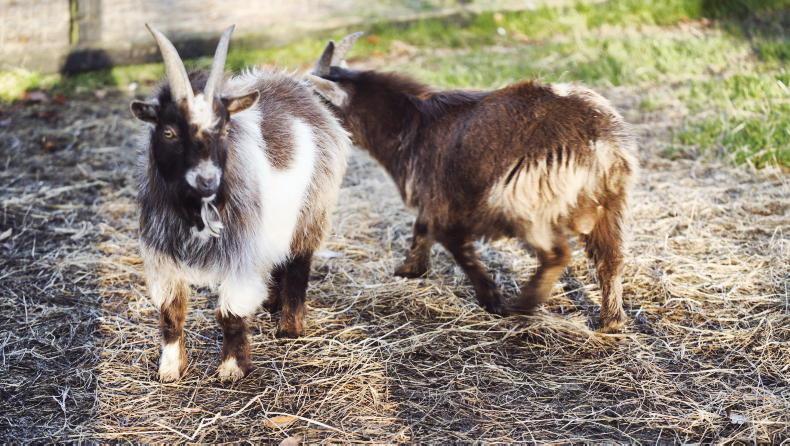
In addition, there are pigs, goats and chickens that children can observe as well as a variety of wildlife in the picturesque pond and aviary. Waterfowl, swans, ducks, and geese all live in harmony alongside a colourful collection of birds including everything from budgies to Bengal owls.
Shane Corbally is the farm manager in Newbridge Farm, after replacing Joseph Kelly in April 2025. Growing up on a dairy farm has made him a great successor for the role, although he admits that no two days are ever the same.
“It’s hard to describe a typical day in Newbridge but the cornerstone of everything we do on the farm is around the welfare of the animals. We check, feed and clean all of the animals in the morning and make sure each one is happy and healthy.”
There is a large element of public engagement in Newbridge House and Farm, so Shane and his co-workers, Vincent Meegan and Arek Wojtunik, spend a lot of time answering questions from the public and telling them about the animals that are living on the farm.
Rare breeds
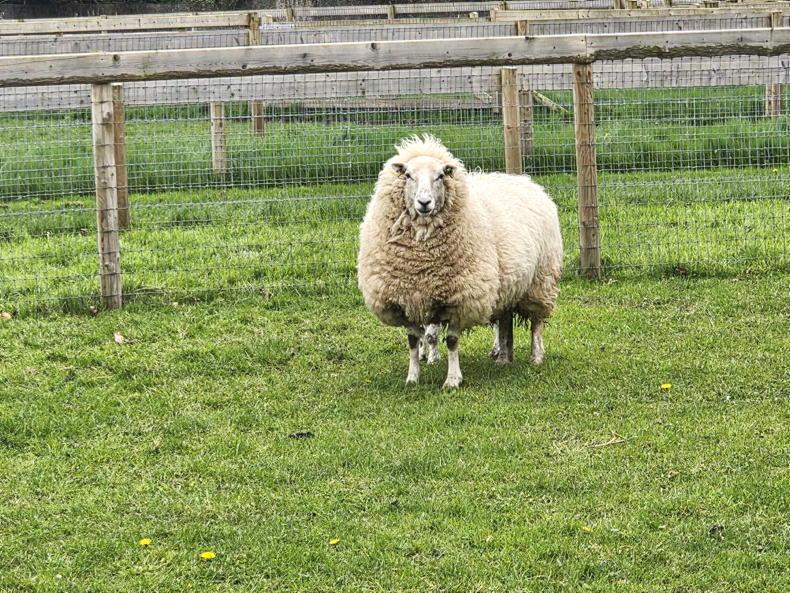
Perhaps the most interesting of these animals is the Cladóir sheep, one of three native Irish sheep breeds that currently reside on the farm alongside Galway sheep and Roscommon sheep.
Once a common sight along the rugged Atlantic coastlines of western Ireland, this unique, Irish breed was pushed to the absolute brink of extinction. By the late 20th century, purebred Cladóir sheep had nearly vanished from the Irish agricultural landscape altogether.
Recognisable by their light frames, fine bones, and adaptive resilience, the Cladóir sheep were bred for wool more than meat. Kept in small numbers by families, the sheep would often have been found partly shorn. This is because the wool would be taken as needed to finish whatever clothing the household required at the time. The Cladóir sheep have a very fine wool which is extremely good for clothing and can be worn next to the skin.
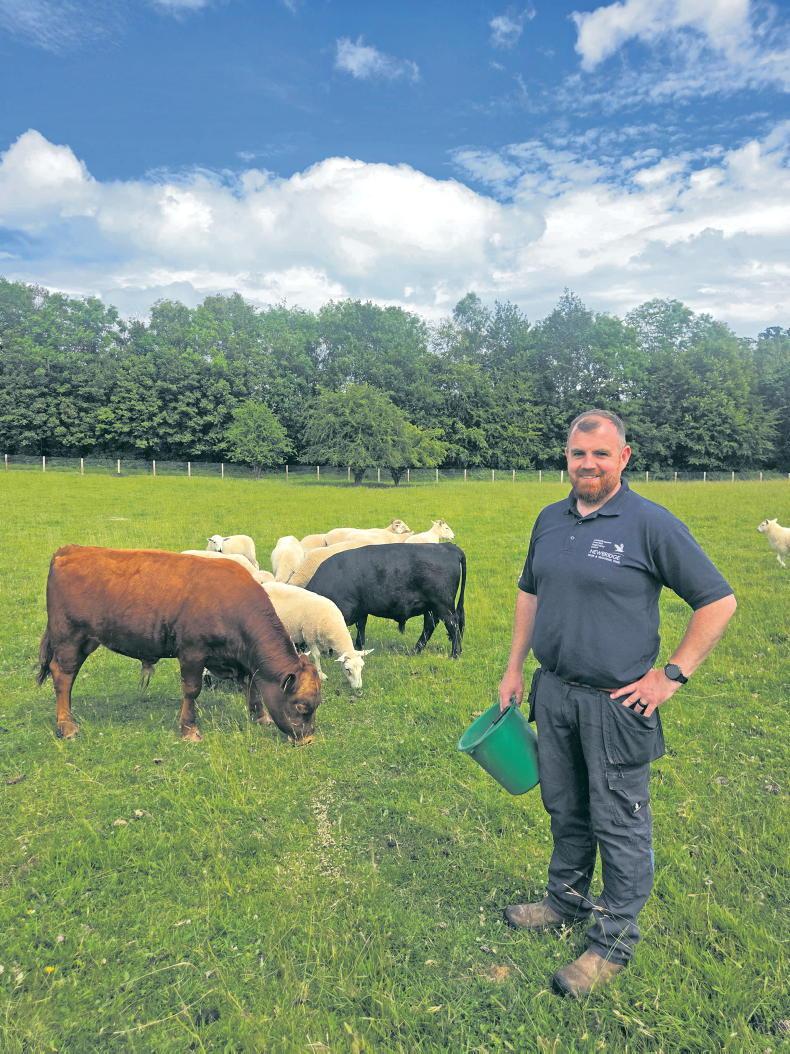
Shane explains that Newbridge House is one of numerous breeders committed to preserving this part of our native history. He said there is ‘exceptional work’ being done by The Cladóir/Claddagh Sheep Preservation Committee and Connemara National Park in the keeping of the breed and promotion of them, including the use of genomic testing and identifying genetics. By safeguarding the genetic line, they aren’t just saving a breed, they are keeping centuries of coastal farming heritage alive for future generations to experience.
The Galway and Roscommon sheep on the farm are more traditional-looking long wool sheep and would have been used for meat as well as wool. Newbridge Farm lambs all those breeds as well as the Cladóir breed from February to the end of April.
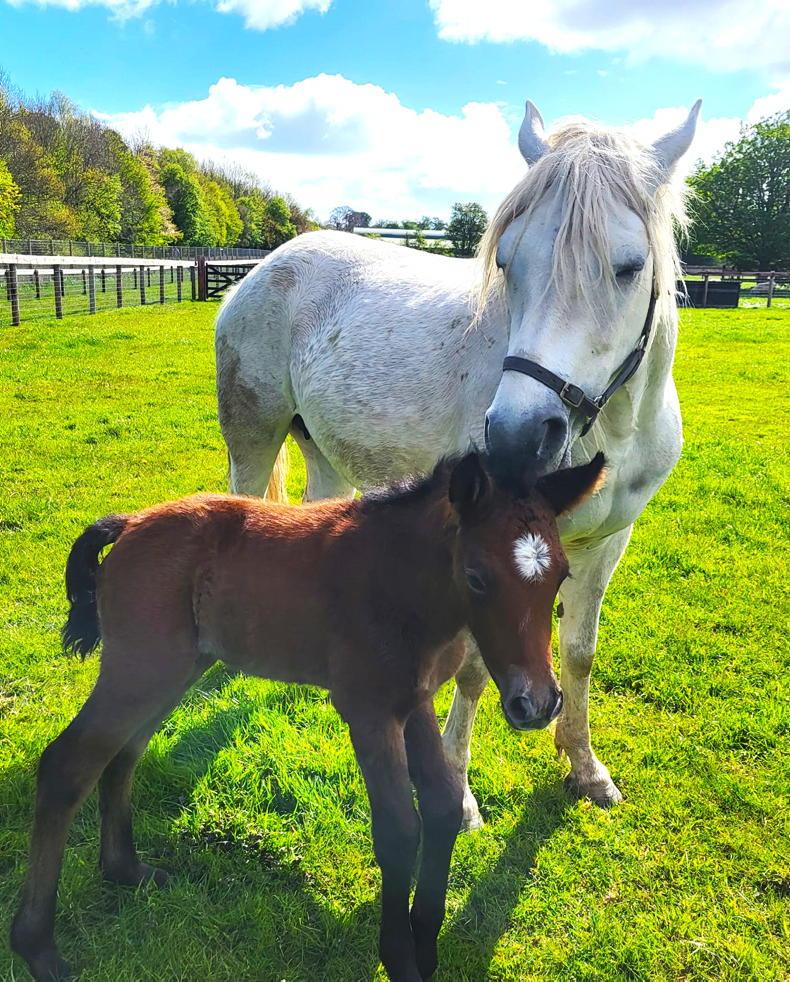
Lovers of horses will be delighted to know that a visit to Newbridge House and farm will include a meeting with three Irish breeds of horse – The Connemara Pony, Irish Draught and Kerry Bog Ponies.
According to Shane, the three breeds are quite distinctive. “The Irish Draught horse we have here, Bluebelle, is a beautiful grey mare who turned 20 this May,” he said.
“She has a great temperament and is a firm favourite with visitors due to her impressive size and calm demeanour.”
Connemara ponies are also known for their good temperaments, and you’ll find three of them on Newbridge farm – Summer, a 20-year-old pony, Sky, a grey seven-year-old pony and Rising, a 10-year-old pony.
The three Kerry bog ponies include Foxy Hollow, a 23-year-old stallion that is used to cover the two mares, Saoirse, an 18-year-old black mare and their son Killian who was born in 2023.
Small but incredibly sturdy, these iconic ponies historically hauled turf from Ireland’s peat bogs and are celebrated for their gentle nature and phenomenal survival skills.
“We are committed to the continual breeding of all the breeds we have on the farm,” Shane says, “and there are new animals being born on the farm constantly.” So much so that there’s even a Moo-ternity Ward that the public can visit to see all the new arrivals.
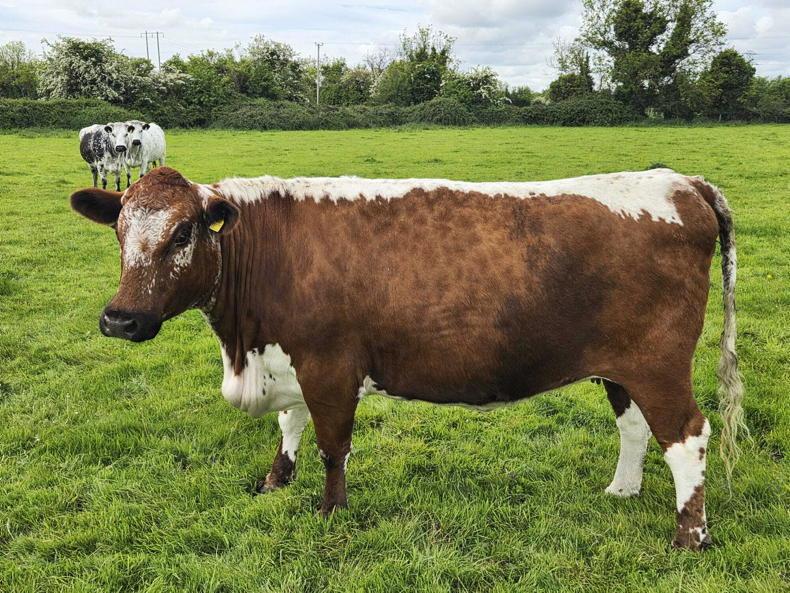
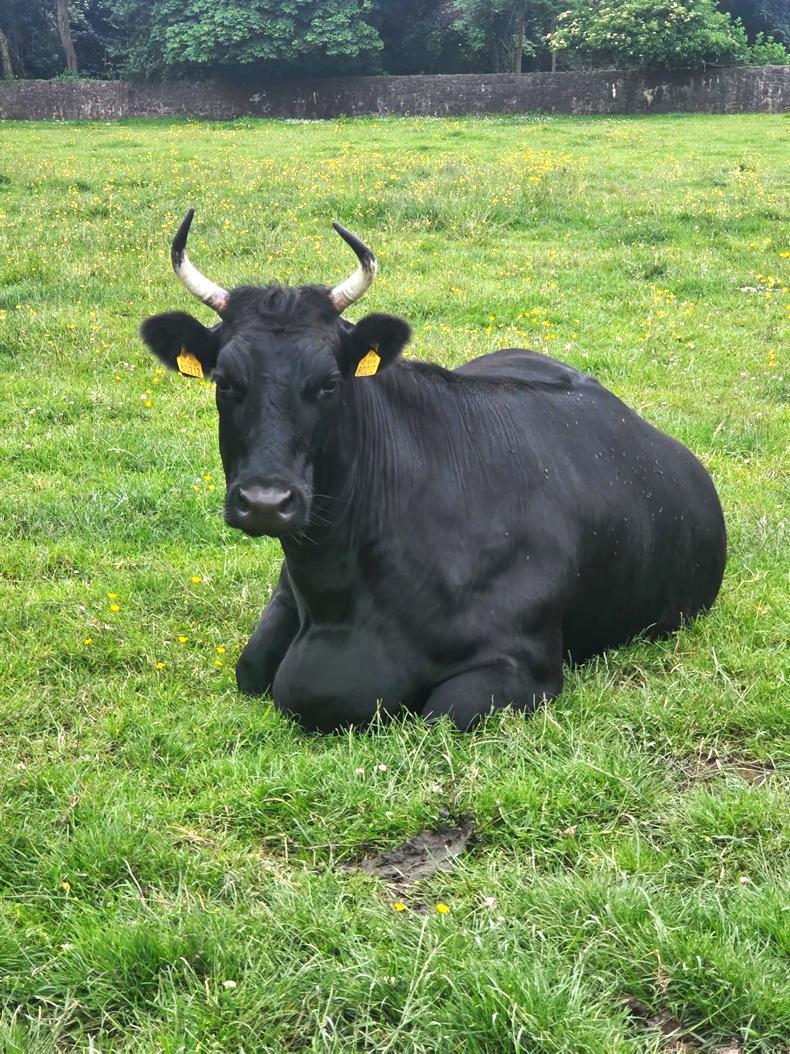
Cattle play a big role in life on Newbridge House and Farm with all five Irish breeds living on-site. Although each are distinctive in their own right, Shane says most of them would have been dual purpose cattle, providing milk and meat.
The Bó Riabhach (brindled cow) is a breed that dates back as far as 800 A.D. and is known for the animal’s distinctive red and black stripes. The Kerry cow is a black cow similar to the Aberdeen Angus but they aren’t polled (hornless). The Droimeann (white-backed) cow is a medium-sized cow with a distinctive white stripe along the back.
Perfect for smallholders, the petite Dexter cow originated in south Munster and is named after an estate manager called Mr Dexter, who helped standardise the breed.
The Irish Moiled cow originates in the north of Ireland. Traditionally a dairy cow, it has a beautiful red-and-white coat and has earned the reputation as an excellent dual-purpose animal, producing both high quality beef and milk from grass.
Shane says that the importance of maintaining these breeds comes in many forms. From a heritage point of view, they are a part of Irish history and they have also helped shape the land on which Newbridge Farm operates.
“It is also vital from a genetic view as these rare breeds carry valuable traits that could have been lost as commercial animals have been bred,” he added.
Georgian grandeur
The work at Newbridge Farm is beautifully framed by the grandeur of the historic estate itself. To step across the threshold of Newbridge House is to experience the Georgian era exactly as it was lived.
With a deep ethos for integrating the natural environment with the grand stories of the past, the stately building is considered Ireland’s most intact and best-preserved Georgian mansion. While many historic estates saw their treasures dispersed over the centuries, Newbridge stands as a remarkable exception.
Thanks to the continuous agreement with the founding Cobbe family, the house retains its original 18th-century furnishings, family portraits, and personal belongings even though it is now owned and run by Fingal County Council.
Every room tells an unbroken story of Irish craftsmanship and everyday life.
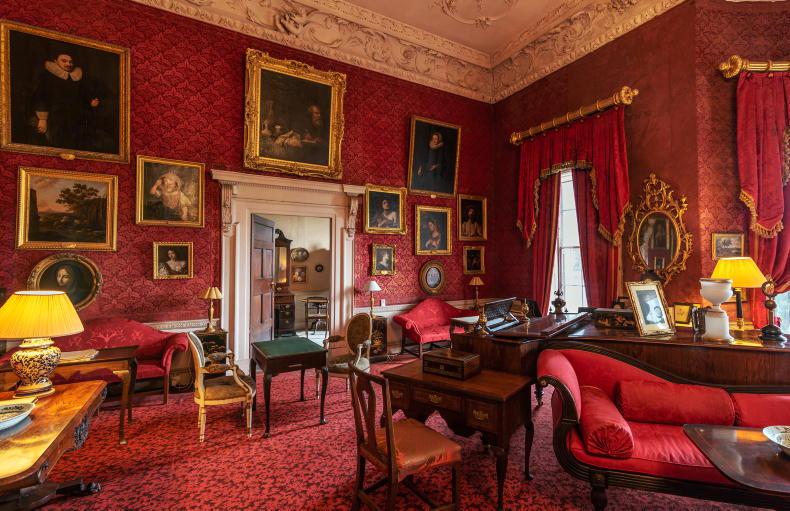
The stunning red drawing room, complete with its brilliant 1820s crimson flock wallpaper and magnificent Dublin-school stucco plasterwork, serves as one of the finest domestic Georgian interiors in the country. Here, visitors can marvel at a world-class assembly of fine art and exquisite Irish mahogany furniture. Designed to showcase the Cobbe family’s exquisite collection of Old Master paintings, it remains virtually unchanged since the 1760s.
‘The Cabinet of Curiosities’ allows visitors to explore one of the last remaining 18th-century family museums in Ireland and Britain.
And once you’ve experienced the grandeur of the family rooms, you can contrast it with a visit to the house’s authentic servants’ quarters, dairy, and courtyard workshops – offering a completely unaltered look at the engine room that kept the estate running.
See newbridgehouseandfarm.com


SHARING OPTIONS