


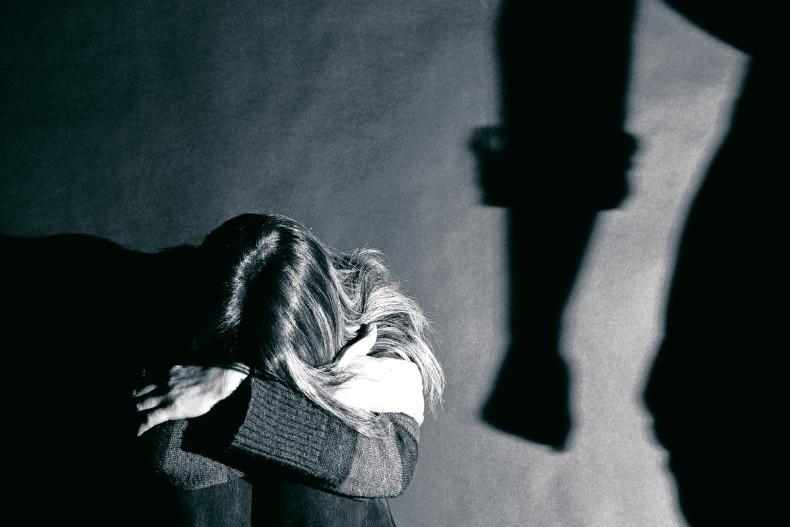
The stark reality that one in three Irish women will experience some form of physical, emotional or mental abuse from an intimate partner is helping to shed some of the stigma that continues to surround domestic abuse, which last year was recorded in 55,000 calls to An Garda Síochána.
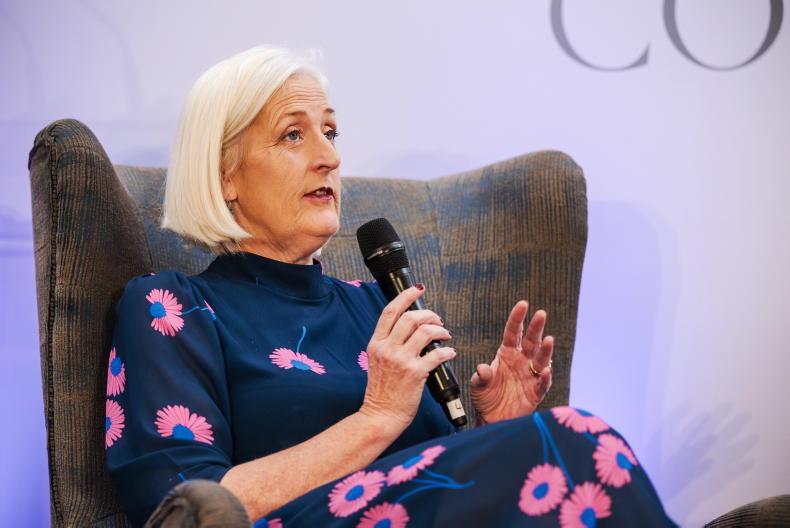
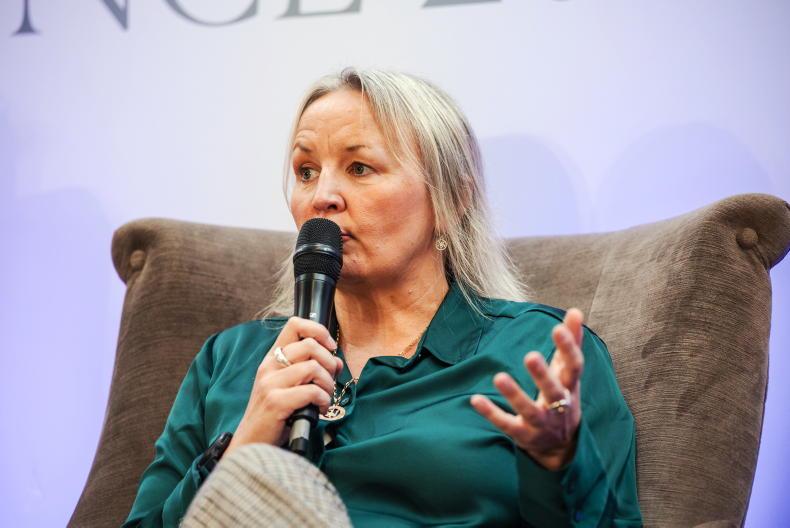
The issue was discussed at this year’s Women & Agriculture conference in Cork, where Detective Inspector Patricia Gill and Tara Farrell, chief executive of Longford Women’s Link, shared their expertise in supporting victims of domestic abuse.
Tara acknowledged how frightening the one in three statistic, which comes from Women’s Aid research, is but said people needed to be aware that domestic abuse was no longer defined simply as physical violence.
“A lot of people think domestic violence is solely about the physical,” she explained.
“Now, physical is a part of it, but there’s a lot more to it than that. Coercive control is a term that has entered the vernacular in recent years, but not everyone understands what that means. It is an ongoing pattern of psychological and emotional abuse and intimidation.
“Things like constantly checking the mileage on the car, checking who you’ve met or who was ringing you on the phone, threatening animals on the farm or taking control of the wifi password to restrict broadband access. It is designed to humiliate, control, and instil fear. But the most important part of it is that it is now a crime.”
Detective Inspector Gill said the rise in reported incidents of domestic abuse to Gardaí last year proves the stigma surrounding this particular crime is losing its grip.
“While the number of cases reported last year is a rise on previous years, it is important to remember that domestic abuse can happen to anyone,” she said.
“The solace I take from these increased statistics is the fact that it shows more and more people are willing to seek help and that as a society we are saying domestic abuse is no longer acceptable and we will not tolerate it.”
One woman who attended the conference and has survived an abusive relationship for over 30 years says more needs to be done to educate and encourage women to avail of the supports available for victims of domestic abuse.
Speaking to Irish Country Living this week, Evelyn* still lives in her marital home with her husband, whom she has secured a safety order against. She says the support of Women’s Aid and the local services she accessed at the height of her trauma has saved her life.
“We are married 33 years and the abuse began after my first child was born,” she explains.
“He’d say things like, ‘don’t be putting the dishes in the dishwasher or turn off the fucking lights’; it would always be abrupt. I’d be told not to park the car in a certain spot or be quizzed about how long I’d be in town and what I was at.
“If I left the heat on and forgot, there’d be World War III, or if I didn’t have dinner on the table at a certain time, it would cause trouble. There were times he’d come into the kitchen and hang a pair of his dirty jeans in my face to imply it was my fault they weren’t washed. I was locked out of the house loads of times, especially if I had gone somewhere. When I came back he wouldn’t let me in.”
Evelyn says she tolerated verbal, emotional and mental abuse for far too long, but once she decided to seek support, things changed for the better.
“I rang Women’s Aid and they were so good; they sent me to free local resources and gave me the counselling that I desperately needed. Women are mad not to avail of this help.
“But the fear is keeping women quiet. It took me so long to do it, so I understand why women aren’t coming forward, but they need to fight back with their mindset and regain control of their lives.
“If someone touched me 15 years ago, it may have prompted me to act sooner, but there was never a finger laid on me. Now the abuse is still going on, he still tries to intimidate me and he regularly walks through the house in the mornings in his underwear and goes out the back door to urinate over the gate. But I ignore him and refuse to react. It is very difficult at times, but it’s the only way, as engaging with him is what he wants.”
Silence and shame
Tara says abusers thrive on the silence and shame their victims feel, which stops them from accessing help.
“We don’t talk enough about the financial abuse that is happening the length and breadth of the country, with rural women particularly vulnerable,” she says.
“We have women coming in to us in Longford Women’s Link who are in their 60s and 70s and they don’t have their name on anything, no bank account, or access to money and yet they have worked all their lives on the farm. They have cared for and reared families and they are left with nothing. They don’t know where to turn and that is where the supports come into play.
“Domestic abuse thrives on secrecy, but we have to bring it out into the open and talk about it. Farm safety has to include the safety of women and their children behind the farm gate.”
Evelyn agrees that confronting the reality of domestic abuse is the only way for survivors to move forward in their lives.
“Women’s Aid is there, the resources are there and the back-up you get is phenomenal,” she says.
“Don’t hide it; don’t think you can carry it on your own to protect your kids. Emotional, verbal and mental abuse shouldn’t be tolerated by anyone. In hindsight, I did tolerate it for far too long, but if I knew then what I do now, I wouldn’t have.
“Go to counselling, take the available supports. There are resources in every county that will help a woman if she chooses to take the legal route in getting a safety order or a barring order. I got a safety order a good few years ago because I needed to put manners on my abuser.
“The night I went to the barracks to report him, I was told I was the eighth person to present at the station that night and that my case wasn’t even the worst they had heard. It was 2.30am and I sat down and answered all their questions over two hours.
“I was at the house when the Gardaí delivered the safety order summons and after they’d gone, my abuser told me ‘he’d get me for this’, so I rang the Gardaí after the abuser had left the house and reported him for the criminal threat he made that is now on the record.”
Evelyn believes she is lucky in that the family farm is in her name and says she has no intention of leaving her home to physically be free from the abuse.
“I am managing to live under the same roof as my abuser because my farm and my home are in my name and I refuse to go anywhere.
“I’ve done a lot of work on myself in recent years, through counselling and with the help of a healer. If I wasn’t going to the healer, I’d be in the graveyard, but I’ve developed a very strong mindset now and I’m living my life independent of him, albeit we are still under the one roof.
“I’m not interested in getting a divorce; I’ll never marry again. I’m going to enjoy my life; all I want is my two holidays a year and to enjoy my weekends with my friends.
“You do what you have to do to bring yourself back up from the 20% low you survive on at the height of the abuse to the 90% of a person I know I am. That’s why I’m so passionate about helping women because there are so many out there living in total fear.”
If you are experiencing domestic violence or coercive control, a list of supports is available on the Women’s Aid website; womensaid.ie which has all the information on where to access resources in your county. You can also call the national, 24-hour freephone helpline on 1800 341900.
*Name has been changed.

