


Birr Castle has been at the centre of innovation and technological advancement since the 1840s when the Third Earl of Rosse, William Parsons, built the world’s largest telescope at that time.
Since then, the castle has seen the invention of a lunar heat machine by the Fourth Earl, which tested the temperature of the moon (and was proven correct when Neil Armstrong landed in 1969) and the modern steam turbine by Charles Parsons in 1884.
In fact, Birr Castle had electricity before the city of London, with the family changing a switch within the castle to power the street lamps of the town when they were away from the castle.
“We don’t do anything small here – we constantly think big,” Alicia Parsons, the daughter of the Seventh Earl of Rosse, laughs.
Evidently so, with their latest project being the introduction of the largest plantation of redwood trees outside of California.
Giants Grove
Five thousand miles away from the US state renowned for its skyscraping trees, a plantation of 1,000 redwood trees is very much underway in Birr.
Though the thought of seeing coastal redwood trees that can reach over 300 feet in height on the landscape of Ireland seems alien, this species existed here before the last ice age.
Alicia explains that pieces of fossilised redwood can be found on coastal areas of the land.
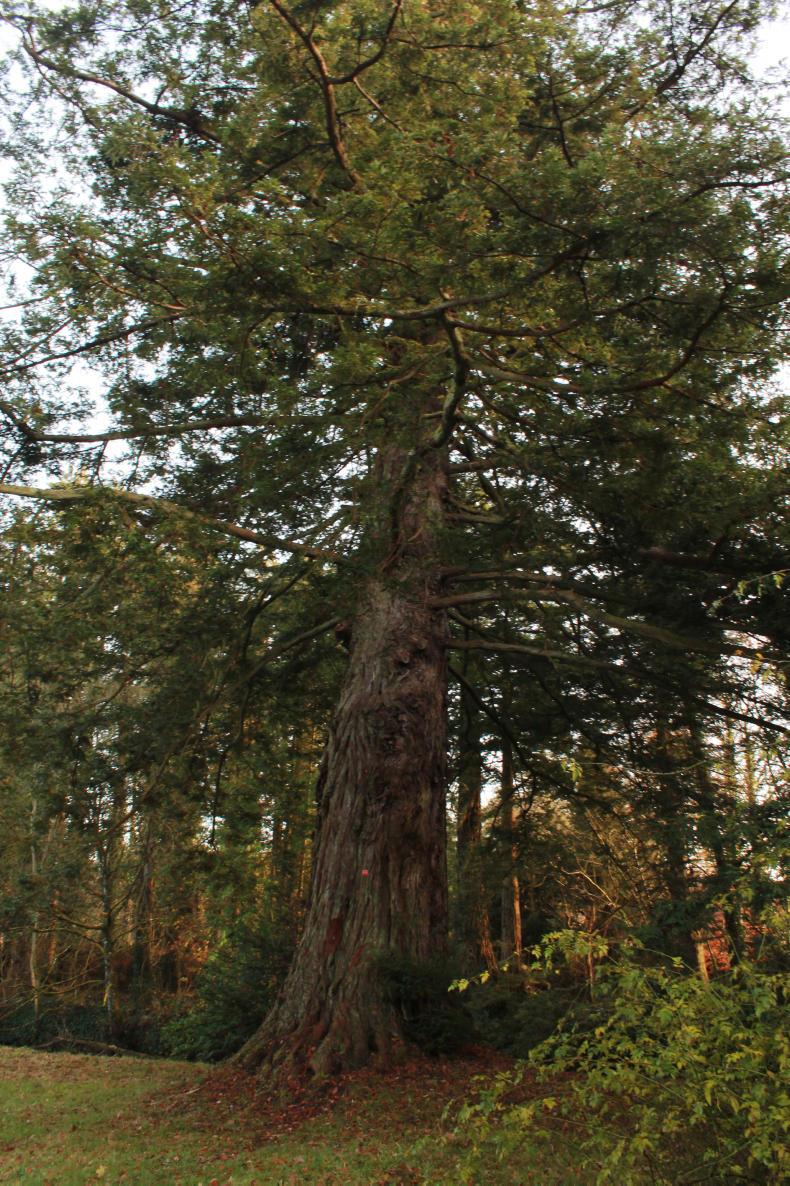
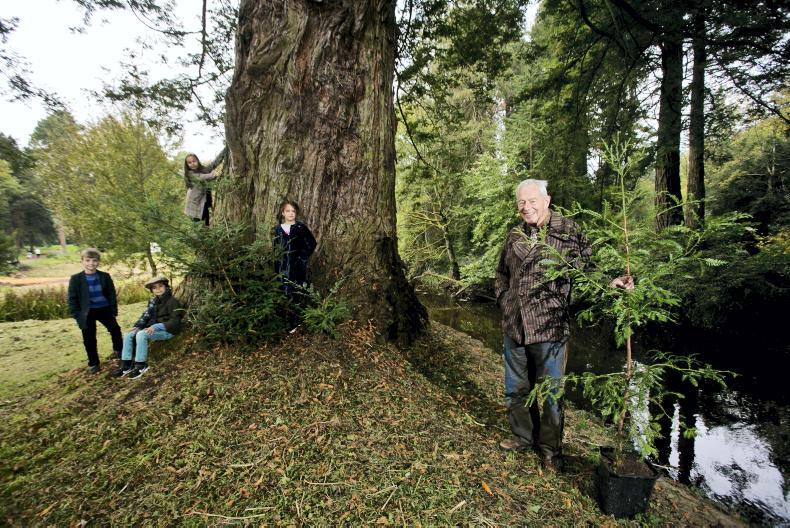
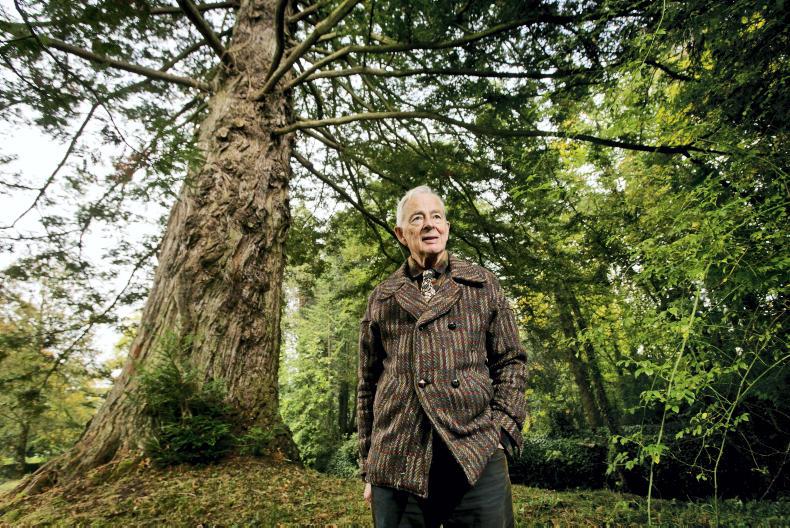
In fact, Birr Castle has been home to redwood trees itself for over 250 years, with one on show in the Millennium Gardens of the castle.
“This one has been hit by lightening. It’s quite common for the species because of its height. The lightening stunted its growth but redwoods are designed to withstand heat and forest fires and all the rest,” Alicia explains.
About two years ago, Crann, Ireland’s voluntary tree protection and promoting organisation, approached the Parsons family and asked if they were interested in taking part in a redwood tree project in Ireland.
“Redwoods are dying in California as a result of global warming,” Alicia explains, “and Crann thought it would be important to grow these trees outside America. They knew that in Birr we had a few redwood trees that were thriving and we thought it was a fantastic idea.”
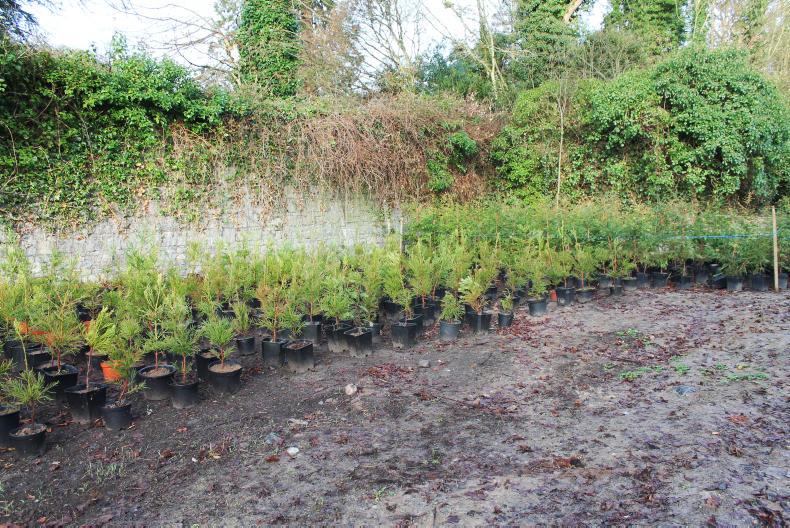
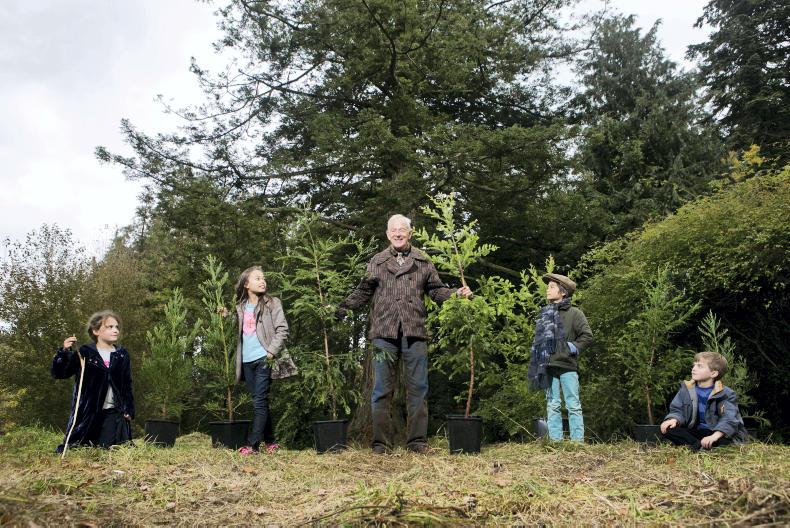
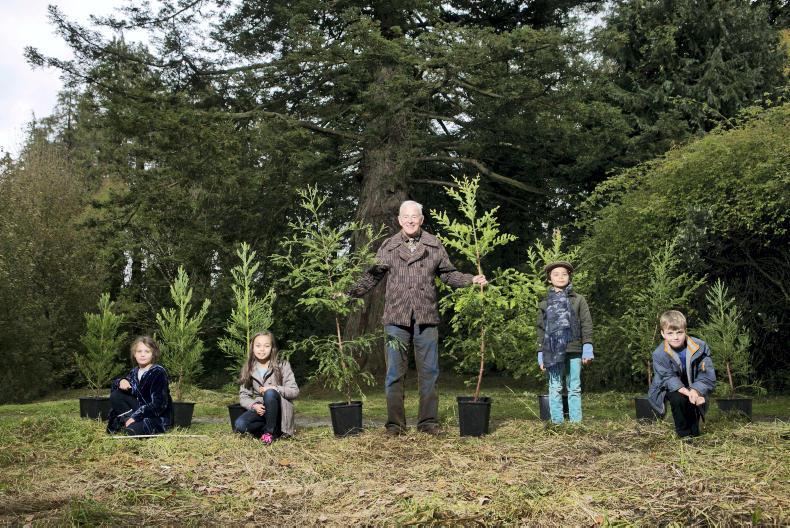
Seeds for the project were immediately sourced and planted in pots, with some of these baby trees held in the tree sanctuary in Cork while others are kept on the grounds of the castle.
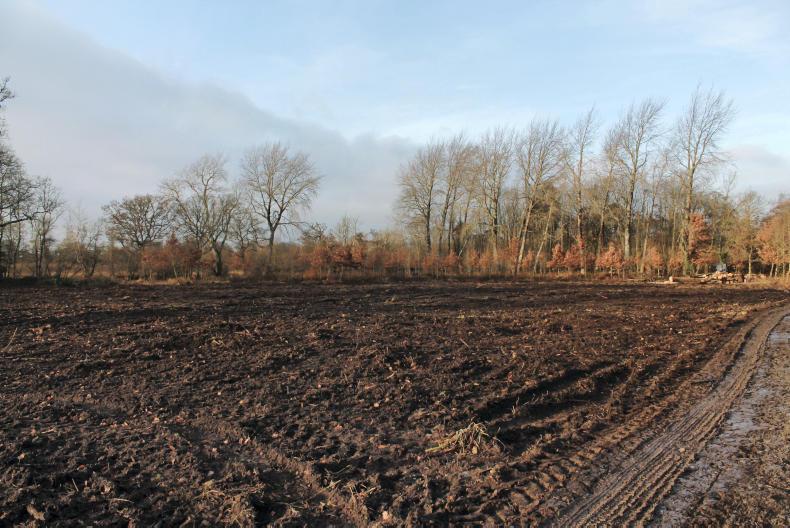
Phase one of the project will begin to be planted along the river this spring.
The redwoods will be interspersed with indigenous Irish species of tree, including oak, birch, hazel, holly and juniper, to create a healthy ecosystem. Alicia even sees room for a lake among the trees in the area mapped out for phase two.
Each redwood can be sponsored for €500 and, in fact, many already have been by people from all around the world.
“That’s their tree for the next thousand years. They will receive their GPS co-ordinates so they will know where to locate it,” Alicia says.
The money that goes towards the sponsoring of a tree will be placed in the Giants Grove fund and will be spent on the planting and clearing of the site as well as the landscaping of it.
“Eventually it will go to the upkeep and if we have money left over we will get proper plaques instead of plastic ones. So, literally, everything is going on the trees,” Alicia says.
With science always to the fore of activities in the castle, Alicia speaks about the plan to put an equinox through the centre of the wood: “It will be on a north and south axis where you will be able to see the solstice through it using the trees. It’s a little more complex than that though, and we haven’t got that far yet with the planning.”
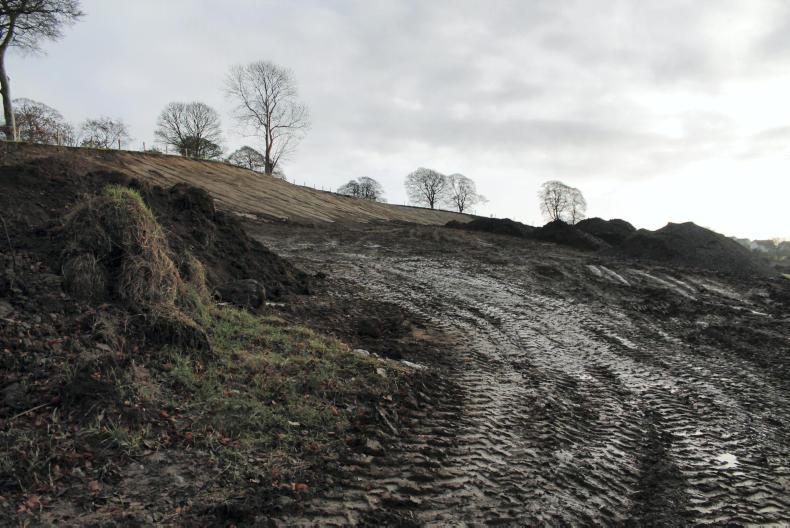
Indeed, as you walk along the path and see the land that is set aside for phase two of the operations, science is literally everywhere, with a mass of concrete rising from the ground.
“That’s where the I-LOFAR radio telescope is going,” Alicia explains.
This will be the Irish part of the International LOFAR telescope, which already has five sites in Germany, one in Sweden, the UK, France and Italy, with Poland and Austria looking to join in.
Its purpose is to collect data from radio waves travelling through space; the information travels through a fibre-optic cable and is sent to computers, which researchers at Trinity College then process.
“Again, with Birr having the largest telescope in the world, we thought it was a great opportunity and put forward some land for the project. The lifespan of the radio will be about 15 years, so by the time the trees begin to grow up, this will probably be gone,” Alicia says.
In the next 20 years, Alicia says these trees will be substantially bigger. Eventually, they will pop up over the rest of the trees and be seen from the main gardens of the castle, outgrowing the oak and hazels they will be planted alongside and making a mark on the landscape for 2,000 years to come. CL
www.giantsgrove.ie


SHARING OPTIONS