



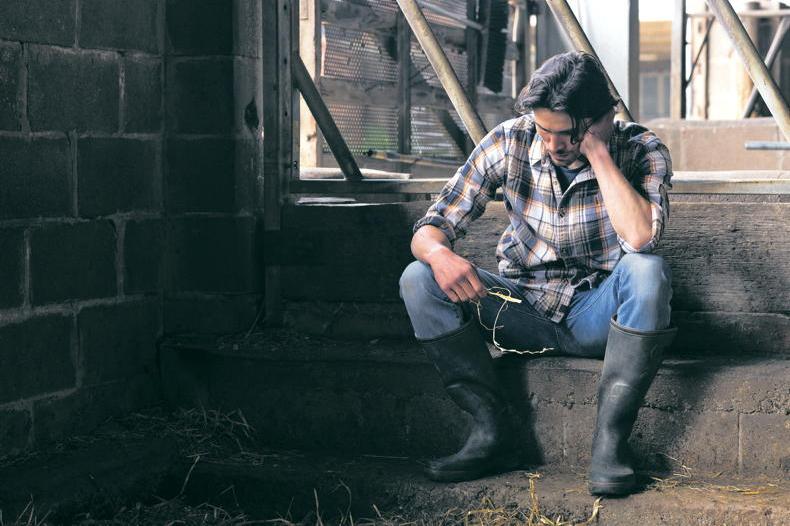
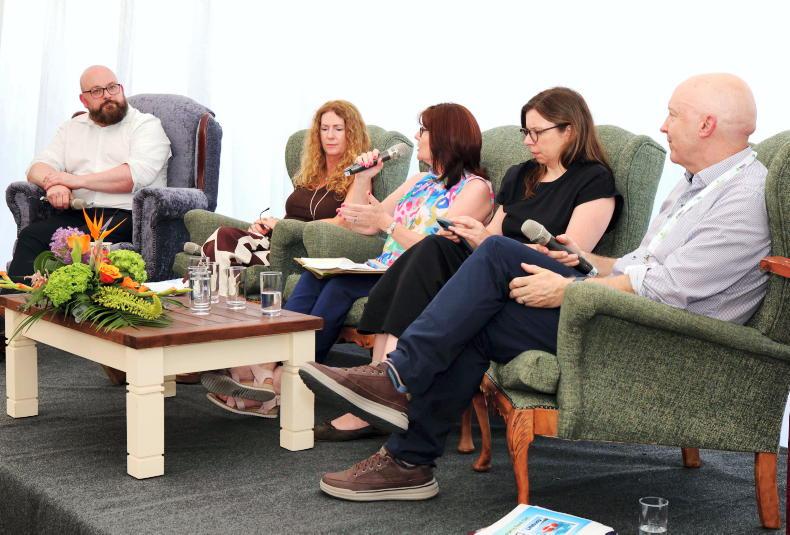
A unique community health project in north Cork has held its first ever mental health conference to link community services and health supports for those living in rural Ireland.
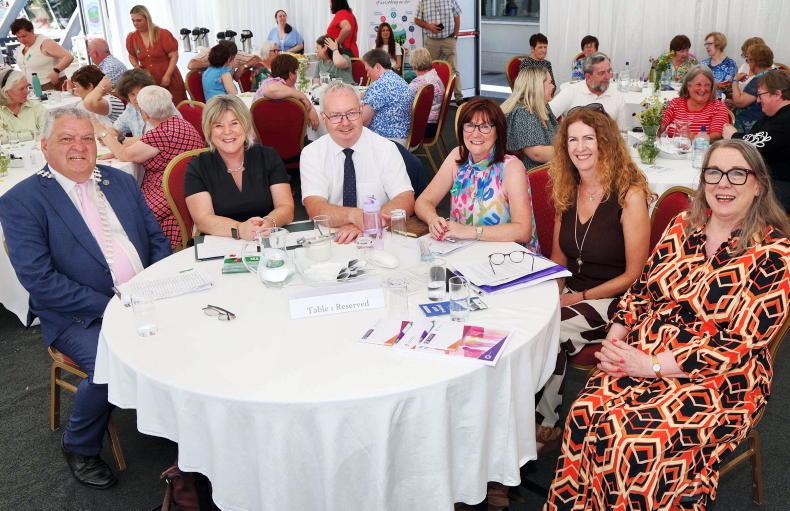
The North Cork Rural Community Health Project is based in IRD Duhallow, in Newmarket, where over 150 people gathered earlier this month to hear from a range of speakers and to form connections that would support the community to achieve better mental health and wellbeing across the region.
Minister for Mental Health Mary Butler was the keynote speaker on the day, which included presentations from Catherine Brogan, CEO of Suicide or Survive and Shane McHale from the North Cork Rural Community Health Project and organiser of the event, which is the first of its kind in the country.
Speaking at the conference, Minister Butler praised IRD Duhallow for bringing together discussions on peer support, the importance of connection and the latest policy and research elements.
“Everyone in this room is contributing, in one way or another to mental health and wellbeing in our communities,” she says. “I want to express my admiration for all the outstanding work that IRD Duhallow is doing to support mental health in rural communities.
“There is no health without mental health and I am hugely impressed by the breadth of initiatives you have developed and the positive impacts you have had on so many people’s lives.
“In particular, your partnership with the HSE on the rural development health project, supports and empowers communities to improve and maintain their mental health and wellbeing. Every day it reaches individuals and communities with practical supports that make a real difference. The project has already been extended and I believe it provides an excellent model that other communities across the country can follow.”
Mental health struggles
Speaking to Irish Country Living, Shane McHale says the reality of life in rural Ireland today means more needs to be done to support those struggling with their mental health.
“The rural community mental health project was set up to address the mental health deficits in the community here in Duhallow and the suicide rates, so the idea behind the conference was to bring the different community organisations and HSE together to form human connections that would lead to greater collaboration,” explains Shane.
“People can’t ask for what they don’t see or aren’t aware of, so it is very important to share the work that is being done, especially in rural areas like ours.
“We have a massive geographic reach, from Castleisland across to Mallow and south as far as Macroom and there is a significant population there as Duhallow would take in Ballyhoura and Avondhu Blackwater.
Individualism is on the rise and the fact that youth clubs are no more, means young people are less likely to make real-life connections. There is a horrible spiral involved in mental health where, if you get isolated, you fall into the trap of believing you’re unworthy of connections
“Physical isolation is a significant issue in rural communities, the old opportunities for connection simply aren’t there anymore. Before you’d have to go out of your way to avoid meeting people in small parishes, whereas now you have to seek out the opportunity to engage with people. For men in particular, those connections are less likely to just happen and we’re not great at going looking for them.
“Our ageing population is obviously one factor in social isolation but there are a lot of young people living in rural communities where they don’t have the opportunities to connect. Many leave to study elsewhere; others leave to work in bigger towns and cities, but many of those are commuting – so they’re still living in rural areas but they don’t have the connections.
Lived experience
Shane believes the strong community trust built up by IRD Duhallow, a community-based integrated rural development company, since its formation in 1989 has provided a strong platform on which to base a collaborative approach to supporting mental health.
“IRD Duhallow is so invested in retaining and building up the local community which, like the rest of the country, is experiencing its challenges with housing, youth employment, drugs and anti-social behaviour,” says Shane.
“Individualism is on the rise and the fact that youth clubs are no more, means young people are less likely to make real-life connections. There is a horrible spiral involved in mental health where, if you get isolated, you fall into the trap of believing you’re unworthy of connections. Young people are experiencing social anxiety more and more, so to ease those feelings, you avoid going places – which feeds your brain with the belief that you’re better off being isolated.
“Meaningful community support makes a real difference when it comes to mental wellness and getting to the point where mental health is everyone’s business is where we are trying to go.
“There is a tendency to sit back and wait for things to get better, but we want to get to a place where people are actively involved in caring for their own mental health to prevent issues arising. Life will throw stuff at us all that will challenge our mental health, but thankfully in recent years, we are significantly moving in the right direction.”
A Mayo native, Shane lives with depression and says his lived experience around mental health has shown him how far we have yet to come to achieve inclusion and acceptance for those living with a mental health diagnosis.
“There is a stigma surrounding mental health, particularly around this area but I think the lack of exposure of people to those with lived experience of mental illness could be the reason,” he adds.
“I live with depression and came from a role with Mental Health Ireland, which was based in recovery services, whereas here in Duhallow I’m at the frontline of delivering preventative services.”
Stigma in the community
A Wellbeing and Recovery College was opened at Duhallow in July 2025 and is now supporting people over 18 people on their wellness journey, which Shane says proves that people in the community want and need supports to keep them mentally well.
“Our greatest weapon against stigma is encountering those with lived experience. That peer-to-peer learning is so important and when we first set up the recovery college here, we had 23 people in the room. We are now averaging 15 people which shows that people are willing to engage once they know the supports are there.”
Open to anyone over 18, the free initiative utilises adult education to help individuals understand their mental health, build resilience and develop support skills.
“The hope is our students will move into the role of facilitators, as is the case in other recovery colleges around the country, and our students are already heavily involved in the direction of the modules; we operate a system of co-creating where they feed into the design of what they are learning.”
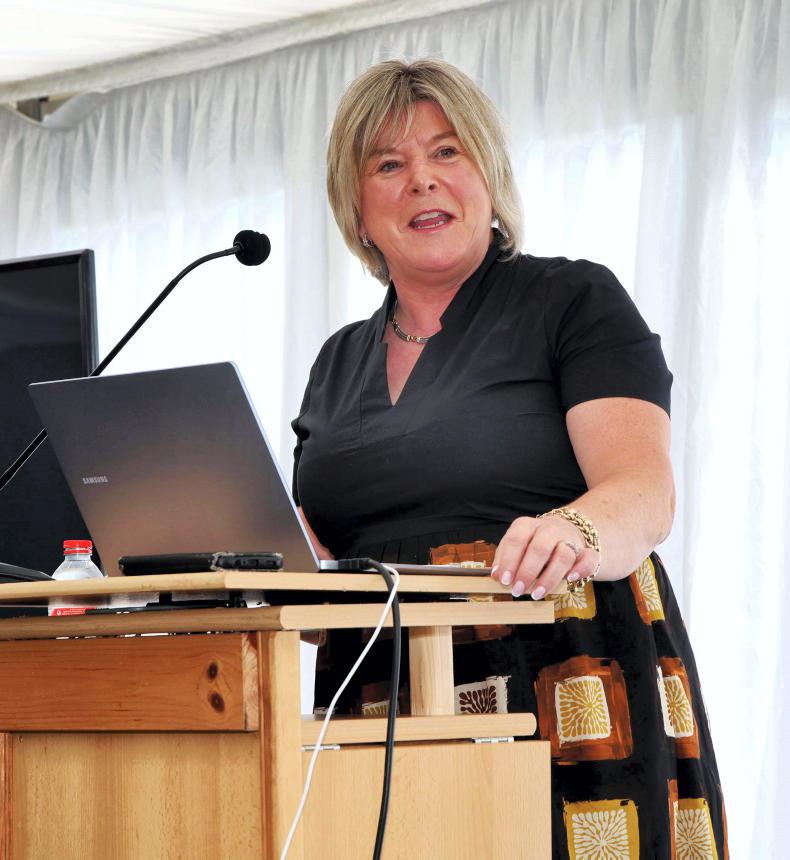
Catherine Brogan shared information on the Government’s Sharing the Vision, A Mental Health Policy for Everyone 2020-2030, remarking that a whole of government agreement involving a whole of population approach marked huge progress for mental health policy in Ireland.
“We are really fortunate to have a whole of government agreement around a whole of population, and how better is that demonstrated than here in Duhallow.
“What makes it work here? You have a whole of community commitment, everybody working toward the same goal.
“People are beginning to see mental health not as mental illness but as something each and every one of us experiences. At any time in our lives, we are going to encounter challenges and blocks and barriers, so we need to go upstream; prevention and then early intervention. The more we can do this, the more people will have the lives they want to live.”
Minister Mary Butler said she believed the early success of Duhallow’s recovery college was proof that rural communities were willing to engage with appropriate mental health supports.
“I am a strong supporter of recovery colleges and I know that Duhallow college has already received an extremely positive response from the community. Your vision in Duhallow to develop a community that is educated, empowered, empathetic about mental health where people have the resilience to face life’s challenges and know where to seek support when needed, is both simple and powerful.
“Connecting people, creating opportunities, strengthening wellbeing, that is what the IRD is all about and you have encompassed this in mental health as well. I am determined that people living in rural communities can access the supports when and where they need them.
“Farmers’ mental health and wellbeing is a specific commitment within the Programme for Government and I am committed to working more closely with the Minister for Agriculture to do more for farmers.
“We launched an initiative at last year’s Ploughing offering counselling supports (yourmentalhealth.ie/men) specifically tailored for men, as we know that 86% of farmers are men and that men can often face additional barriers when it comes to seeking help,” she ended.
See irdduhallow.com
If you are feeling low or suicidal, talk to your GP, who can help you get support.


SHARING OPTIONS