



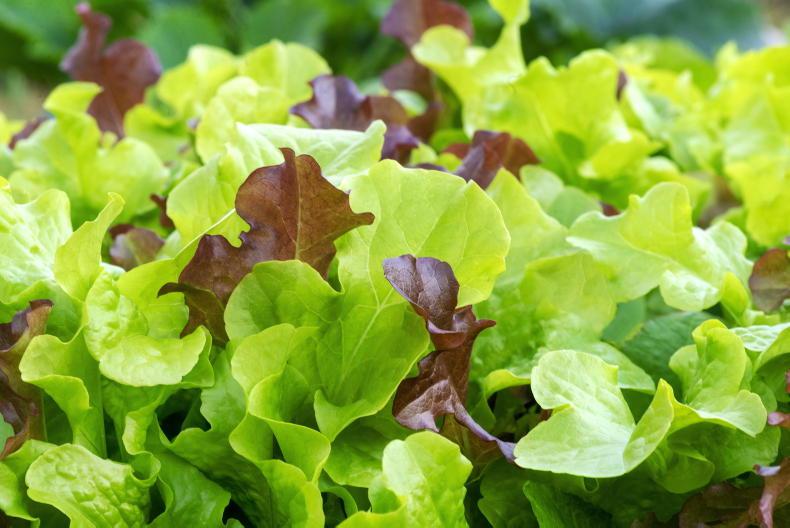
If you’re looking for a summer crop that gives a quick return on your efforts, it is hard to beat salads. Fast to germinate and quick to crop, they are not fussy and can be grown in garden beds or containers. Lettuce leaves are relatively expensive to buy, and their shelf life is often frustratingly short, so being able to step outside and harvest exactly what you need makes sense on every level, not least for freshness and flavour.
Head lettuces and loose-leaf salad varieties are ideal for sowing throughout July. Rather than sowing a whole packet at once, sow little and often. A short row every fortnight will keep a steady supply coming and help avoid the inevitable glut that follows one large sowing, ensuring fresh crisp leaves well into early autumn.
For anyone starting from scratch, a mixed packet of summer salad leaves is often the easiest option. These blends provide a good balance of colour, flavour and texture without the need to buy multiple packets of seed. They are also ideal for containers where space is limited. Some might argue that containers and window boxes are the perfect place to grow salads. Filled with a mix of good-quality multi-purpose compost, soil and garden compost, a single sowing can provide multiple harvests. Positioned close to the kitchen door and raised off the ground, they are also convenient to harvest and easier to protect from slugs.
When sowing, keep things simple. Create a shallow drill or broadcast if using a container, water the drill before sowing and sow seed thinly. Cover lightly with soil and keep the area consistently moist until germination. Most salad crops dislike drying out, particularly during hot weather. Watering early in the morning and giving a thorough soak every few days is generally more beneficial than little and often sprinklings, and helps avoid damp evening conditions that attract slugs.
Harvesting is equally straightforward. Pick leaves regularly and avoid stripping plants completely. Taking a few outer leaves from each plant encourages continued growth and can provide weeks of productive picking from a single sowing. This cut-and-come-again approach works particularly well with loose-leaf lettuces and salad mixes, keeping continued harvests with minimal effort.
Beware of slugs
Of course, no discussion about salads would be complete without mentioning slugs. Young seedlings are particularly vulnerable and can disappear overnight. Regular morning and evening patrols, especially after rain, remain one of the most effective organic controls.
Encouraging natural predators such as frogs, hedgehogs and ground beetles can also make a noticeable difference over time. Avoiding evening watering where possible can help reduce damp conditions that favour slug activity.
Aphids can also become troublesome in dry conditions. Rather than reaching for sprays, I tend to view them as part of the garden ecosystem. Small infestations are often quickly dealt with by ladybirds, hoverflies and other beneficial insects if given the chance. Where numbers become excessive, a squash between finger and thumb or a firm jet of water is often enough to get them under control without disrupting the balance.
One of the pleasures of growing salads is experimenting with diversity. While lettuce forms the backbone of most summer salads, don’t stop there as homegrown herbs can add another layer of flavour and interest to the bowl. Flat-leaf parsley brings freshness, while lemon thyme adds a subtle citrus note. A few leaves of basil, dill or chervil can transform a bowl completely without needing to rely on tunnel-grown crops.
Diversity also benefits the garden itself. Mixing herbs and flowering companion plants amongst your salads can help attract pollinators and beneficial insects while creating a far more vibrant growing space. The greater the variety of leaves, herbs and companion plants you grow, the more interesting both the garden and the harvest become throughout the season.
I tend to sow crops such as rocket, coriander, spinach and oriental greens later in the summer. Sown from August onwards, they are generally less prone to bolting and often provide more reliable harvests into autumn, extending the salad season well beyond the height of summer.
Ultimately, salads are one of the quickest ways to experience the satisfaction of growing your own food.
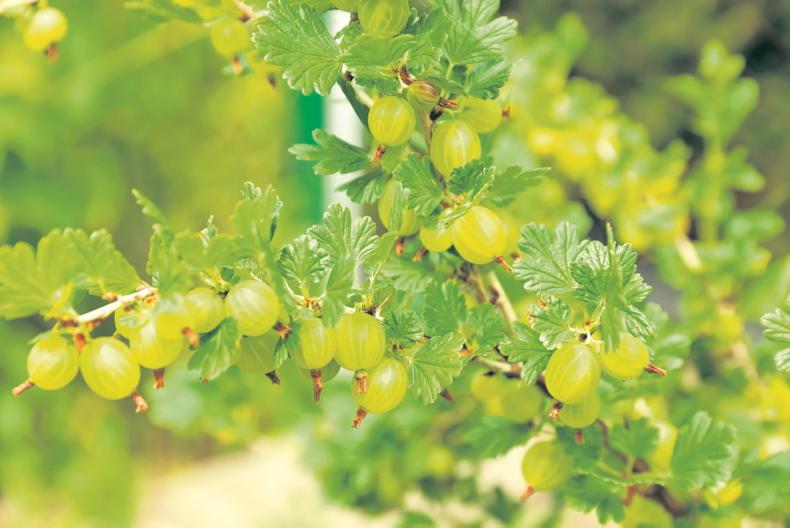
Last year my gooseberries seemed to disappear overnight. The fruit is beginning to ripen again, is there anything I should be doing? - Michael Murphy, Co Dublin
If your gooseberries are beginning to soften and colour up, now is the time to protect them. Birds are remarkably good at spotting ripe fruit and can strip a bush surprisingly quickly.
Cover bushes with netting before the fruit reaches peak ripeness, ensuring it is secured properly and pulled taut to avoid birds becoming trapped. Harvest regularly rather than waiting for every berry to ripen at once. Slightly under-ripe fruit is excellent for cooking, while fully ripe berries are sweeter for eating fresh. A few minutes spent picking gooseberries every couple of days can make all the difference.
Module/tray sowings for transplanting in polytunnel: cucumber, French bean (dwarf and climbing) and basil in modules for later planting into polytunnel beds.
Module/tray sowings for transplanting outdoors next month: sow cabbage, calabrese, cauliflower, celery, chard, courgette, Florence fennel, kale, purple sprouting broccoli, parsley and winter leeks now to transplant next month.
Direct sow outdoors: beetroot, carrots, peas, radish, turnip, spring onions and continuous sowings of salad leaves can all be sown directly into well-watered ground.





SHARING OPTIONS