



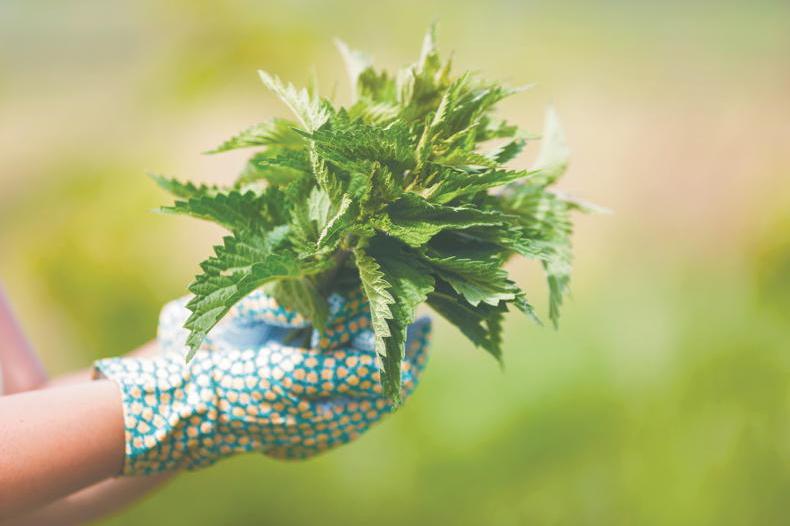
No more than ourselves, plants sometimes need a pick-me-up. While commercial liquid fertilisers are convenient, there’s little reason to spend more money when you can make your own natural feeds from what’s growing in your garden.
Liquid feeds or plant teas are easy to prepare, nutrient-rich and fast acting, giving plants an immediate boost at a time when they need it most.
There are many ways to nourish plants through healthy soil, whether in beds or planters. Compost, well-rotted manure, or seaweed dust release nutrients gradually, supporting steady absorption. For a more immediate boost, however, liquid feeds are ideal, especially for fast-growing, hungry vegetables and flowering plants that need a consistent supply of nutrients.
The most common and effective homemade feeds are made from nettles, comfrey and seaweed. Nettles grow wild in many gardens and are rich in nitrogen, perfect for leafy vegetables such as cabbage, kale, chard, spinach, and other plants in a vegetative phase.
Comfrey (Symphytum officinale) is a deep-rooting plant that accumulates potassium, potash and nitrogen, making it a powerhouse feed, particularly for fruiting crops such as tomatoes, peppers, strawberries, cucurbits, and soft fruit grown in containers.
Comfrey liquid feed is rich in potassium and contains nitrogen and potash in forms readily available to plants. Compared with standard farmyard manure, it delivers a higher proportion of immediately usable nutrients, making it especially effective as a tonic for flowering and fruiting crops. Seaweed, if available, adds a broad spectrum of trace minerals but personally, I tend to buy concentrated seaweed, being a midlands gardener!
Nettle tea/feed
1. Collect around 1kg of nettle leaves, using fresh growth and tips. Gloves are essential to avoid stings.
2. Place the leaves in a porous bag, such as a hessian or old potato sack, to avoid slimy residues blocking your watering can.
3. Submerge the bag in a 20-litre bucket or bin of water and cover with a tight-fitting lid. Expect a strong odour as the leaves break down.
4. Allow the mixture to steep for approximately four weeks, stirring weekly.
Once brewed, dilute the tea before use of ten parts water to one part nettle liquid, giving a colour similar to weak tea. This feed works exceptionally well on leafy greens and other established plants.
Comfrey tea/feed
Traditionally valued for use as a liquid fertiliser, mulch and compost booster, comfrey is an essential addition to any kitchen garden, and it’s a favourite of bees too.
Wear gloves and long sleeves when harvesting, as its leaves and stems are hairy and can irritate skin. Leaves can be harvested from late April onwards, though the exact timing depends on how vigorously the plant is growing.
Bocking 14, a Russian comfrey variety, is sterile meaning it will not self-seed and is ideal for liquid feeds. Leaves can be harvested three to four times a year.
Preparation is similar to nettle tea: roughly 1kg of fresh or wilted leaves per 20l of water, steeped for about four weeks in a covered container. Dilute before applying to fruiting crops that have entered the flowering stage.
Nettles and comfrey can be combined to create a balanced feed – nettles supply nitrogen, comfrey potassium, and a splash of seaweed adds trace elements, producing a tonic suitable for a wide range of crops.
Timing
April is an ideal time to start your liquid feeds. Nettles and comfrey are just emerging, providing fresh leaves for nutrient-rich teas. If leaves aren’t abundant yet, have your hessian bags and bins lined up and ready so you can begin harvesting as soon as growth allows.
With minimal effort and low-tech methods, common garden weeds can be transformed into powerful tonics that will sustain your plants throughout the season.
Should I start squash, pumpkins and courgettes now, or wait until later to ensure plants are ready for transplanting after the frost risk has passed? – Dave, Co Leitrim
Late April into early May is the ideal time to sow tender cucurbits such as squash, pumpkins and courgettes. These fast-growing plants are usually ready to transplant within three to four weeks, so sowing too early can leave them ready before conditions outdoors are suitable. For best results, sow one seed per 9cm pot on a warm windowsill or in a heated propagator, placing the seed on its side. Grow plants on in a protected space until they are sturdy with several true leaves, then harden off and plant out in a sunny, sheltered spot after the risk of frost has passed, giving them plenty of space to grow. By starting now you can ensure a successful growing season and enjoy a bountiful harvest.
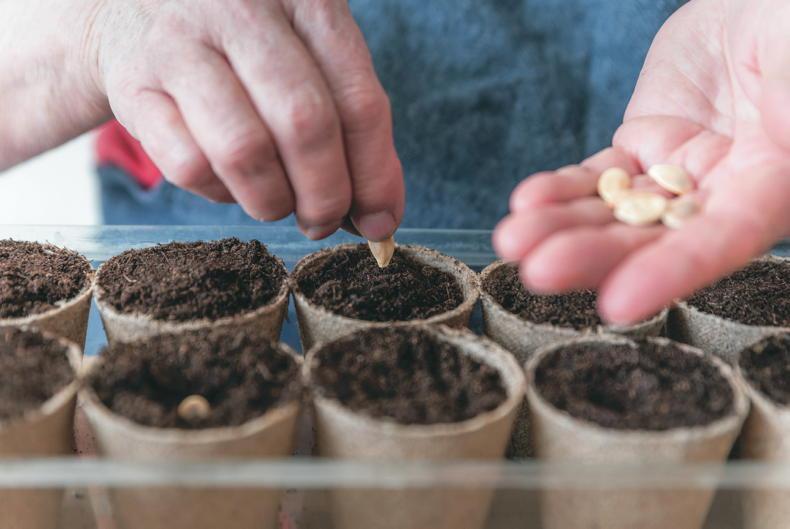
Module/tray sowings for transplanting in the polytunnel: cucumber, melon, climbing French beans and basil.
Module/tray sowings for transplanting outdoors next month: Brussels sprouts, cabbage, calabrese, cauliflower, celery, celeriac, chard, kohlrabi, lettuce, spring onions, sweet corn, turnip and winter leeks. Annual flowers such as amaranth, cosmos, French marigold and sunflowers can also be tray sown now. Gradually harden off all plants before transplanting outdoors in May.
Direct sow outdoors: potatoes, onion and shallot sets. Annual flowers such as calendula and nigella can be direct sown later in the month once the soil warms up.






SHARING OPTIONS