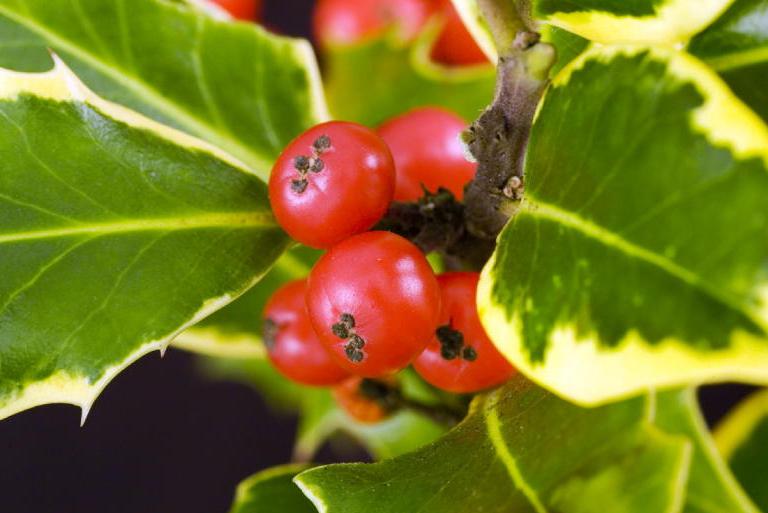
As festive decorations have become ever more elaborate, the enduring popularity of the holly and the ivy has remained remarkably strong, even if, in some cases, they are fashioned from plastic. The tradition of decorating the house with holly and ivy is very old, predating Christian times by millennia.
These plants signaled recovery from the mass defoliation of autumn and early winter. It was reassuring to see even a small number, there are very few evergreen native plants and it is little wonder that the prehistoric peoples had a special regard for the plants that managed to stay evergreen right through winter. The holly and the ivy are the only two common native broad leaved evergreen woody plants.
The only other common evergreen bush is the gorse, the less common other evergreens being yew, juniper and arguably Scots pine. Arbutus is the only other broad-leaved tree but it is confined to a limited area of the country.
Somewhat woody, and rare enough, the mistletoe also held a special fascination for the ancient people, and this tradition has been carried down the years too.
Christmas symbols
The three main mid-winter and now Christmas symbols, the holly, the ivy and the mistletoe, are not only evergreen but they all carry berries in winter.
The carrying of berries is symbolic of fruitfulness and the idea of fertility was of great importance to people of the ancient world closely dependent on a successful harvest to avoid famine in the following winter.
Small wonder when the ‘corner was turned’ at the winter solstice, 20 December this year, and the signs were there of the return of the warmth of the sun, that celebration was in order. And small wonder too, that the few plants that managed to stay green and fruitful through the short days were accorded a place of special merit.
The holly was greatly valued in ancient Ireland and was one of the five nobles of the wood under Brehon Law. The cutting down or theft of the noble trees, or even the pruning of them, brought specific penalties and required elevated levels of compensation.
The ivy wood apparently was used in chariot shafts, being hard and dense. The leaves were used as winter fodder for animals short of grass.
The bark was used to make bird-lime for trapping birds. Holly is an important food source for birds in winter and offers good roosts.
The tradition of decorating with holly predates Roman times and it was part of the Roman mid-winter celebration, the Saturnalia.
A crown of ivy
The ivy too has Roman connections, being linked with Bacchus the god of wine, who was depicted adorned with a crown of ivy. The similarity of shape of ivy leaves and those of the grapevine, and its bunches of black berries, made it a miniature grapevine, one that could be more easily made into a crown or wreath, and was evergreen. Ivy is an important food source in winter too — in autumn it feeds bees with late supplies of thin, sugary nectar and remarkably its berries ripen over the winter period feeding hungry birds as they do. It is also good shelter, birds hiding deep in its protective foliage in times of cold, wet and windy weather.
Now is the time for planting fruit trees and bushes of all kinds, and strawberries if they have not been planted already.
Fruit trees establish better and grow better the following year when planted in the late autumn and early winter. It gives them more time to get their roots established.
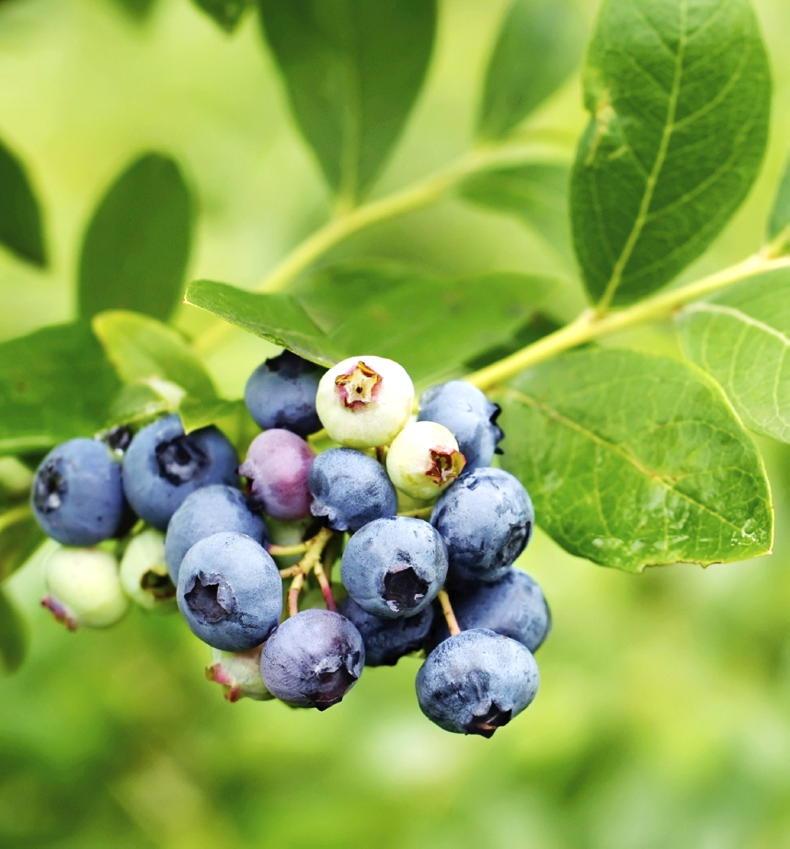
Although not much happens above ground in winter, fruit trees and bushes can make some useful new root growth, during any spell of reasonably mild weather that comes along. Choose a sunny site, sheltered but not shaded, on good soil, weed-free, for all kinds of fruit.
Trees, shrubs and roses
It is a good time to plant trees and shrubs, as long as the weather is not too wet, or the ground waterlogged. Roses too can be planted and the bedding kinds and repeat-flowering climbers pruned. Tidy up fallen branches – dead bits that drop off trees when the wind shakes them.
Fruit, vegetables and herbs
A supply of pea sticks could be gathered together in anticipation of sowing peas in March. Raspberry canes should be tied in against the possibility of wind damage. Pruning of apples and pears can be carried out.
Flowers
There is not much to do with flowers. Messy old stems can be tidied away or chopped up and allowed lie where they fall. It is possible to divide some kinds of perennials — clump-rooters that have died back completely below soil.
Lawns
Do not walk on a frozen lawn, if at all possible, because it can cause lasting damage to the grass which will not recover until spring time. It is the ice crystals in the cells of the grass that causes the problem when walked on.
Greenhouse and house plants
The longevity of most house plants, and especially Christmas house plants, is directly due to how well watering is carried out. Over-generous watering can lead to the plants sitting in a saucer of water, which rots the roots and the plant soon dies.
Read more
Gardening: festive foliage, foraging and bird-watching
Winter Iris and Colourful Chrysanthemum
As festive decorations have become ever more elaborate, the enduring popularity of the holly and the ivy has remained remarkably strong, even if, in some cases, they are fashioned from plastic. The tradition of decorating the house with holly and ivy is very old, predating Christian times by millennia.
These plants signaled recovery from the mass defoliation of autumn and early winter. It was reassuring to see even a small number, there are very few evergreen native plants and it is little wonder that the prehistoric peoples had a special regard for the plants that managed to stay evergreen right through winter. The holly and the ivy are the only two common native broad leaved evergreen woody plants.
The only other common evergreen bush is the gorse, the less common other evergreens being yew, juniper and arguably Scots pine. Arbutus is the only other broad-leaved tree but it is confined to a limited area of the country.
Somewhat woody, and rare enough, the mistletoe also held a special fascination for the ancient people, and this tradition has been carried down the years too.
Christmas symbols
The three main mid-winter and now Christmas symbols, the holly, the ivy and the mistletoe, are not only evergreen but they all carry berries in winter.
The carrying of berries is symbolic of fruitfulness and the idea of fertility was of great importance to people of the ancient world closely dependent on a successful harvest to avoid famine in the following winter.
Small wonder when the ‘corner was turned’ at the winter solstice, 20 December this year, and the signs were there of the return of the warmth of the sun, that celebration was in order. And small wonder too, that the few plants that managed to stay green and fruitful through the short days were accorded a place of special merit.
The holly was greatly valued in ancient Ireland and was one of the five nobles of the wood under Brehon Law. The cutting down or theft of the noble trees, or even the pruning of them, brought specific penalties and required elevated levels of compensation.
The ivy wood apparently was used in chariot shafts, being hard and dense. The leaves were used as winter fodder for animals short of grass.
The bark was used to make bird-lime for trapping birds. Holly is an important food source for birds in winter and offers good roosts.
The tradition of decorating with holly predates Roman times and it was part of the Roman mid-winter celebration, the Saturnalia.
A crown of ivy
The ivy too has Roman connections, being linked with Bacchus the god of wine, who was depicted adorned with a crown of ivy. The similarity of shape of ivy leaves and those of the grapevine, and its bunches of black berries, made it a miniature grapevine, one that could be more easily made into a crown or wreath, and was evergreen. Ivy is an important food source in winter too — in autumn it feeds bees with late supplies of thin, sugary nectar and remarkably its berries ripen over the winter period feeding hungry birds as they do. It is also good shelter, birds hiding deep in its protective foliage in times of cold, wet and windy weather.
Now is the time for planting fruit trees and bushes of all kinds, and strawberries if they have not been planted already.
Fruit trees establish better and grow better the following year when planted in the late autumn and early winter. It gives them more time to get their roots established.

Although not much happens above ground in winter, fruit trees and bushes can make some useful new root growth, during any spell of reasonably mild weather that comes along. Choose a sunny site, sheltered but not shaded, on good soil, weed-free, for all kinds of fruit.
Trees, shrubs and roses
It is a good time to plant trees and shrubs, as long as the weather is not too wet, or the ground waterlogged. Roses too can be planted and the bedding kinds and repeat-flowering climbers pruned. Tidy up fallen branches – dead bits that drop off trees when the wind shakes them.
Fruit, vegetables and herbs
A supply of pea sticks could be gathered together in anticipation of sowing peas in March. Raspberry canes should be tied in against the possibility of wind damage. Pruning of apples and pears can be carried out.
Flowers
There is not much to do with flowers. Messy old stems can be tidied away or chopped up and allowed lie where they fall. It is possible to divide some kinds of perennials — clump-rooters that have died back completely below soil.
Lawns
Do not walk on a frozen lawn, if at all possible, because it can cause lasting damage to the grass which will not recover until spring time. It is the ice crystals in the cells of the grass that causes the problem when walked on.
Greenhouse and house plants
The longevity of most house plants, and especially Christmas house plants, is directly due to how well watering is carried out. Over-generous watering can lead to the plants sitting in a saucer of water, which rots the roots and the plant soon dies.

Read more
Gardening: festive foliage, foraging and bird-watching
Winter Iris and Colourful Chrysanthemum
SHARING OPTIONS