Over the past 15 years in Ireland, there has been a shift in drug policy to exploring and emphasising a health-led approach towards substance misuse.
Two examples of this in practice are the launch of the Medical Cannabis Access Programme, allowing people with certain chronic medical conditions to access cannabis in circumstances where other treatments have failed to relieve symptoms; and there is also the opening of the first medically supervised injecting centre in Ireland. The facility, where users can legally and safely inject illegal drugs, opened at the end of 2024 in Merchant Quay, Dublin.
Another example of a health-led approach to drug harm reduction is the HSE Safer Nightlife Programme, which provides free and confidential drug checking at festivals, with the aim of reducing drug-related harms and increasing understanding of drug trends.
Dr Garrett McGovern, a GP specialising in addiction medicine in Dundrum, says that interventions that use a health and social approach, like the HSE Safer Nightlife Programme established in 2022, are “very forward-thinking in some ways, because they realise that people do take [drugs] and you’ve got to accept that people will take drugs”.
“I think a lot of prohibitions won’t accept that,” he continues.
“They almost want to just cleanse our country of drugs. You’re not going to do that. It isn’t going to happen.”
While drugs are highly addictive and it is always safer not to use them at all, high-risk drug use can be common at festivals.
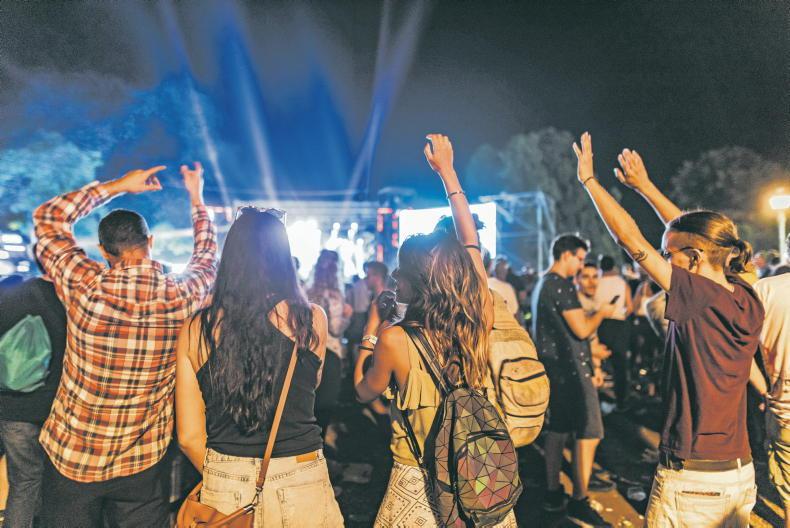
PsyCare Ireland is an example of another drug harm-reduction outreach initiative that runs 24-hour welfare services at festivals and music events. The registered charity provides one-to-one peer support, psychological first aid and crisis mental health intervention to service users in need.
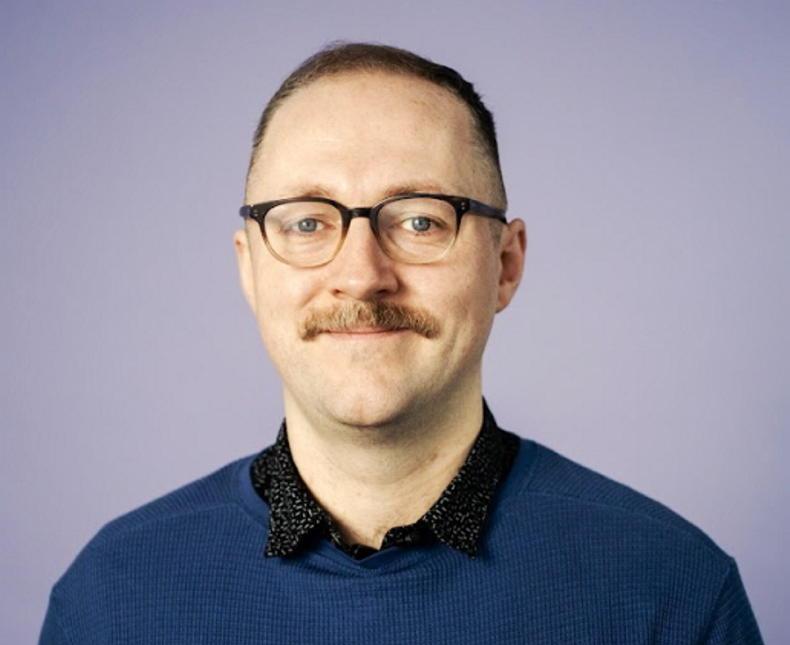
Mick Ledden says there has been an increase in pink tuci, ketamine and others at festivals.
Drinking and substances
Mick Ledden, CEO and co-founder of PsyCare, explains: “If anyone’s having an issue with their mental health, it could be anxiety, a panic attack, a fight with a friend, they can come to us.
“The vast majority of people who come to us with their mental health have either been drinking or they’re taking substances as well.
“A lot of places talk about the medical risk of drugs, and that’s absolutely spot on. We need to know about that, but there can also be quite a lot of psychological risk. If people are taking substances in crowded places, they don’t even know where they really are.
“And if they are drinking as well, they get disinhibited. They take way too much. They could end up with a tragic outcome.
“Music is very emotional and brings us on these highs. Before you even have a drink or drugs, a festival is a very emotional place anyway. You’re going to unlock all these good feelings and that’s a really positive thing. But don’t be surprised if there’s also bad feelings that get unlocked as well.
“Festivals can be so magical and wonderful. But also, if we do the Irish thing, which unfortunately is we run ourselves into the ground with a load of cans, we can ruin it for ourselves.
“We twist ourselves up into knots, and then people are often wrecked for the week after. We’d love to change that bit of the culture, that more people can go and enjoy these things in their own way.”
Mick is a psychotherapist, and lots of the other volunteers for PsyCare come from multidisciplinary backgrounds including social work, therapy, and medical nursing. But you don’t have to be a mental health professional to volunteer with PsyCare, Mick adds. “If you’re just someone who cares a lot, who has been around the festival scene, who wants to take the training, and you can sit with someone in a non-judgmental and an open-hearted way, we want to hear from you.” He says that the organisation has trained 250 volunteers since 2022.
“You can imagine we’re quite busy in the wee hours of the morning at festivals with people who are just overwhelmed with the various things they’re taking.”
Mick says that the team at PsyCare have seen an increase in novel drug substances over the past few years. “There’s certainly been a big rise of ketamine in Ireland. It’s become a really big drug that people are using.”
Dr McGovern says that ketamine “is a worrying drug”, qualifying that he usually treats “bad cases” in his clinic.
“People get very disorientated, very detached from reality, which really worries me, because when that happens, a lot of bad things happen.
“They get really, really stoned on it. But also, there’s physical effects.
“One of the big ones is the bladder. The bladder [and the bladder muscles] can get damaged, and they start bleeding. Some [users] need to get their bladders out.”
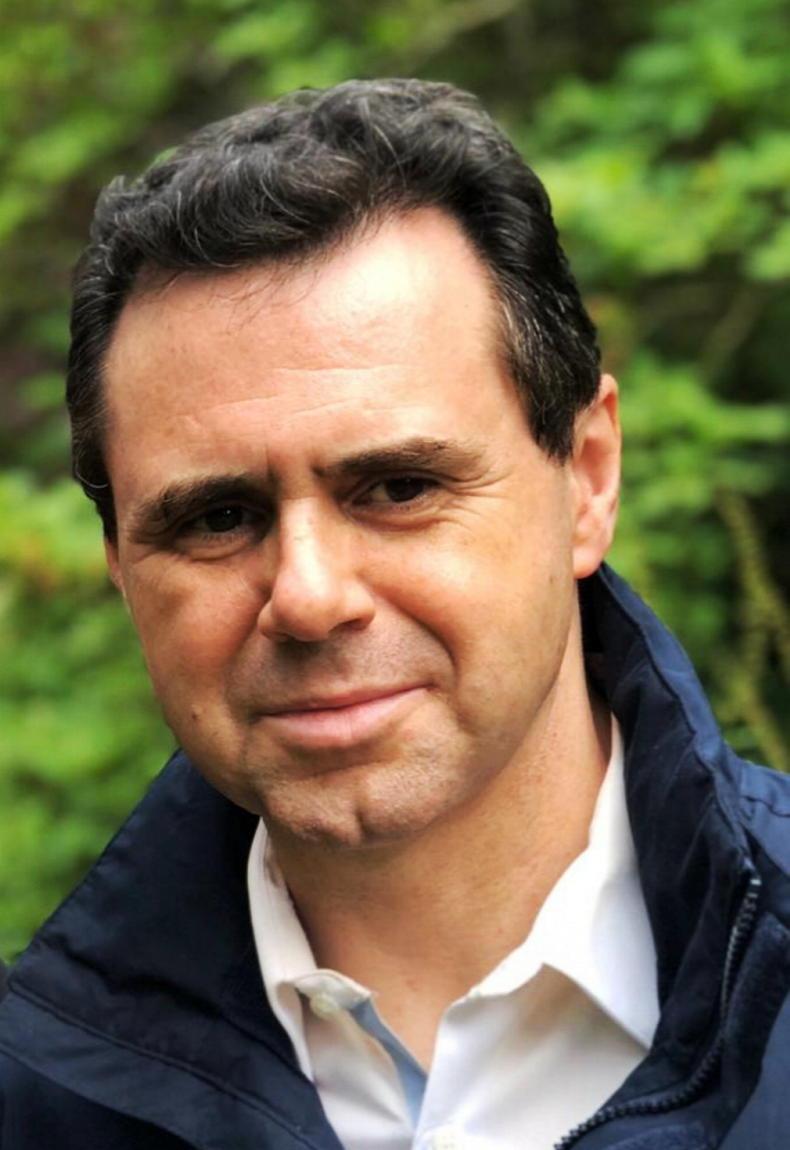
Dr Garrett McGovern is a GP specialising in addiction medicine.
Mick says that the team at PsyCare has also seen “quite a rise in things like 3-Chloromethcathinone (3-CMC) and Mephedrone (4-methylmethcathinone, 4-MMC).”
Both 3-CMC and Mephedrone produce euphoric or stimulating effects, and also carry serious health risks.
“They would be gaining a bit of popularity but also sometimes people get what they think is MDMA/ecstasy and it’s these substances instead,” says Mick.
He adds that if you’re on antidepressants, mixing drugs that impact your serotonin, like MDMA and ecstasy, could have a very worrying impact.
Pink cocaine or pink tuci is also on the rise. HSE emerging drug trends manager, Nicki Killeen, called for a greater awareness of pink powder drugs earlier this year in advance of St Patrick’s weekend.
Despite the name, pink cocaine contains a number of drugs besides cocaine. Mick describes it as “a butcher’s mixed bag of different powders that they put pink food dye in, that’s quite cheap and popular.”
“Some of these substances are €10 for one gram, which a number of people could share. A lot of young people are probably thinking, there’s an economy of choices here.
“Peer pressure just seems to have always gone hand-in-hand in these spaces. When stuff is offered or when stuff is on the go, it can be hard to resist or to be that person who doesn’t do it.”
EU perspective
Gregor Buckhart is one of the founders of the European Society for Prevention Research. He worked for the European Union Drugs Agency for 30 years, and presented an EU perspective on drug prevention policies and programmes at the 2023 Citizens’ Assembly on Drug Use in Dublin.
Gregor says it is positive that Ireland has opened a conversation on drug and alcohol use in recent years, “at least things are being talked about”.
“Germans don’t even talk about their own alcohol policy, which is a mess. So in that sense, Ireland is openly discussing things like minimum unit price. It’s things that only a few countries are doing.”
Gregor holds that there are several actions that music festivals could take to minimise drug harms at events. For example, facilitating free public transport to the event to avoid road accidents the next day or having free water for those who need it.
“When you are feeling dehydrated and you want to get your water, then you have to wait in a kilometre long queue for people who buy the beer instead of having a separate queue for water. [Some festivals] don’t let you bring your own water. Water needs to be free everywhere.
“There are many things you could do because the harm is not by drugs alone. The harm is because of many other things.”
You can listen to Nicki Killeen
talking about the HSE Safer Nightlife Programme on Episode 18 of the HSE Health and Wellbeing Podcast on YouTube
Festival advice from Mick Ledden
1. Go with a solid group and stick together. Drugs can be habit forming and can result in negative physical and mental health outcomes. While it is safer not to use any drugs at all, if you are intending to use them, certainly let your friends know what the plan is. Don’t leave any of your friends on their own if you know that they have experimented with a drug.2. Pack and plan appropriately.
Bring warm clothes, a proper waterproof tent, and prioritise sleep. A lot of the worst stuff we see is because people have stayed up, literally all night, and then they keep partying into the next day. And by the afternoon, there’s a crash and really big fear. Try get seven hours sleep.3. Check in with your mental health.
If you’ve been having a really stressful time in work, or you’ve just had a break-up or bereavement, going for a blowout at a festival can seem like the solution. But when you’re already going through stuff, the atmosphere, the music and substances tend to amplify it for a lot of people. You may end up feeling even more distressed or lonely. Not that you should never go to a festival if you’ve got something going on in the background, but just be mindful.
Over the past 15 years in Ireland, there has been a shift in drug policy to exploring and emphasising a health-led approach towards substance misuse.
Two examples of this in practice are the launch of the Medical Cannabis Access Programme, allowing people with certain chronic medical conditions to access cannabis in circumstances where other treatments have failed to relieve symptoms; and there is also the opening of the first medically supervised injecting centre in Ireland. The facility, where users can legally and safely inject illegal drugs, opened at the end of 2024 in Merchant Quay, Dublin.
Another example of a health-led approach to drug harm reduction is the HSE Safer Nightlife Programme, which provides free and confidential drug checking at festivals, with the aim of reducing drug-related harms and increasing understanding of drug trends.
Dr Garrett McGovern, a GP specialising in addiction medicine in Dundrum, says that interventions that use a health and social approach, like the HSE Safer Nightlife Programme established in 2022, are “very forward-thinking in some ways, because they realise that people do take [drugs] and you’ve got to accept that people will take drugs”.
“I think a lot of prohibitions won’t accept that,” he continues.
“They almost want to just cleanse our country of drugs. You’re not going to do that. It isn’t going to happen.”
While drugs are highly addictive and it is always safer not to use them at all, high-risk drug use can be common at festivals.
PsyCare Ireland is an example of another drug harm-reduction outreach initiative that runs 24-hour welfare services at festivals and music events. The registered charity provides one-to-one peer support, psychological first aid and crisis mental health intervention to service users in need.

Mick Ledden says there has been an increase in pink tuci, ketamine and others at festivals.
Drinking and substances
Mick Ledden, CEO and co-founder of PsyCare, explains: “If anyone’s having an issue with their mental health, it could be anxiety, a panic attack, a fight with a friend, they can come to us.
“The vast majority of people who come to us with their mental health have either been drinking or they’re taking substances as well.
“A lot of places talk about the medical risk of drugs, and that’s absolutely spot on. We need to know about that, but there can also be quite a lot of psychological risk. If people are taking substances in crowded places, they don’t even know where they really are.
“And if they are drinking as well, they get disinhibited. They take way too much. They could end up with a tragic outcome.
“Music is very emotional and brings us on these highs. Before you even have a drink or drugs, a festival is a very emotional place anyway. You’re going to unlock all these good feelings and that’s a really positive thing. But don’t be surprised if there’s also bad feelings that get unlocked as well.
“Festivals can be so magical and wonderful. But also, if we do the Irish thing, which unfortunately is we run ourselves into the ground with a load of cans, we can ruin it for ourselves.
“We twist ourselves up into knots, and then people are often wrecked for the week after. We’d love to change that bit of the culture, that more people can go and enjoy these things in their own way.”
Mick is a psychotherapist, and lots of the other volunteers for PsyCare come from multidisciplinary backgrounds including social work, therapy, and medical nursing. But you don’t have to be a mental health professional to volunteer with PsyCare, Mick adds. “If you’re just someone who cares a lot, who has been around the festival scene, who wants to take the training, and you can sit with someone in a non-judgmental and an open-hearted way, we want to hear from you.” He says that the organisation has trained 250 volunteers since 2022.
“You can imagine we’re quite busy in the wee hours of the morning at festivals with people who are just overwhelmed with the various things they’re taking.”
Mick says that the team at PsyCare have seen an increase in novel drug substances over the past few years. “There’s certainly been a big rise of ketamine in Ireland. It’s become a really big drug that people are using.”
Dr McGovern says that ketamine “is a worrying drug”, qualifying that he usually treats “bad cases” in his clinic.
“People get very disorientated, very detached from reality, which really worries me, because when that happens, a lot of bad things happen.
“They get really, really stoned on it. But also, there’s physical effects.
“One of the big ones is the bladder. The bladder [and the bladder muscles] can get damaged, and they start bleeding. Some [users] need to get their bladders out.”

Dr Garrett McGovern is a GP specialising in addiction medicine.
Mick says that the team at PsyCare has also seen “quite a rise in things like 3-Chloromethcathinone (3-CMC) and Mephedrone (4-methylmethcathinone, 4-MMC).”
Both 3-CMC and Mephedrone produce euphoric or stimulating effects, and also carry serious health risks.
“They would be gaining a bit of popularity but also sometimes people get what they think is MDMA/ecstasy and it’s these substances instead,” says Mick.
He adds that if you’re on antidepressants, mixing drugs that impact your serotonin, like MDMA and ecstasy, could have a very worrying impact.
Pink cocaine or pink tuci is also on the rise. HSE emerging drug trends manager, Nicki Killeen, called for a greater awareness of pink powder drugs earlier this year in advance of St Patrick’s weekend.
Despite the name, pink cocaine contains a number of drugs besides cocaine. Mick describes it as “a butcher’s mixed bag of different powders that they put pink food dye in, that’s quite cheap and popular.”
“Some of these substances are €10 for one gram, which a number of people could share. A lot of young people are probably thinking, there’s an economy of choices here.
“Peer pressure just seems to have always gone hand-in-hand in these spaces. When stuff is offered or when stuff is on the go, it can be hard to resist or to be that person who doesn’t do it.”
EU perspective
Gregor Buckhart is one of the founders of the European Society for Prevention Research. He worked for the European Union Drugs Agency for 30 years, and presented an EU perspective on drug prevention policies and programmes at the 2023 Citizens’ Assembly on Drug Use in Dublin.
Gregor says it is positive that Ireland has opened a conversation on drug and alcohol use in recent years, “at least things are being talked about”.
“Germans don’t even talk about their own alcohol policy, which is a mess. So in that sense, Ireland is openly discussing things like minimum unit price. It’s things that only a few countries are doing.”
Gregor holds that there are several actions that music festivals could take to minimise drug harms at events. For example, facilitating free public transport to the event to avoid road accidents the next day or having free water for those who need it.
“When you are feeling dehydrated and you want to get your water, then you have to wait in a kilometre long queue for people who buy the beer instead of having a separate queue for water. [Some festivals] don’t let you bring your own water. Water needs to be free everywhere.
“There are many things you could do because the harm is not by drugs alone. The harm is because of many other things.”
You can listen to Nicki Killeen
talking about the HSE Safer Nightlife Programme on Episode 18 of the HSE Health and Wellbeing Podcast on YouTube
Festival advice from Mick Ledden
1. Go with a solid group and stick together. Drugs can be habit forming and can result in negative physical and mental health outcomes. While it is safer not to use any drugs at all, if you are intending to use them, certainly let your friends know what the plan is. Don’t leave any of your friends on their own if you know that they have experimented with a drug.2. Pack and plan appropriately.
Bring warm clothes, a proper waterproof tent, and prioritise sleep. A lot of the worst stuff we see is because people have stayed up, literally all night, and then they keep partying into the next day. And by the afternoon, there’s a crash and really big fear. Try get seven hours sleep.3. Check in with your mental health.
If you’ve been having a really stressful time in work, or you’ve just had a break-up or bereavement, going for a blowout at a festival can seem like the solution. But when you’re already going through stuff, the atmosphere, the music and substances tend to amplify it for a lot of people. You may end up feeling even more distressed or lonely. Not that you should never go to a festival if you’ve got something going on in the background, but just be mindful.
SHARING OPTIONS