



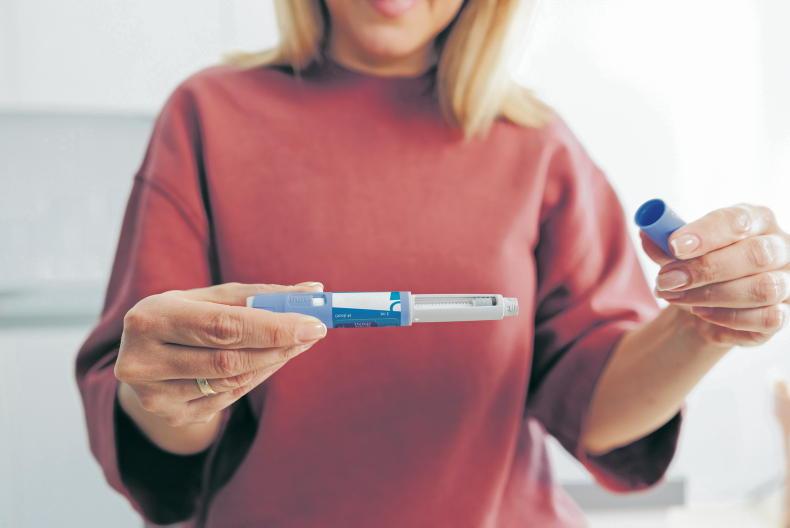
It’s already been over four years since Ozempic was first licenced in Ireland for the treatment of diabetes. And it’s been over one year since Mounjaro, dubbed the ‘King Kong’ of obesity treatment drugs, was made available via private prescription in Irish pharmacies.
During that time, the use of GLP-1 medications has been used to treat diseases such as diabetes and obesity but there has also been a shift towards more cosmetic use.
The discourse around these drugs reflects this. Many people call them weight loss jabs (not obesity treatment medications, as experts insist) and they are often talked about in a way that reinforces our societal obsession with thinness.
There is no doubt that GLP-1s can be incredibly powerful treatments for obesity, but “we just need them to be deployed in the obesity arena, not in promoting fashion,” says Professor Donal O’Shea, consultant endocrinologist at St Vincent’s University Hospital.
“The cultural desire to be thin is huge. It’s what’s driving this obsession with these medications, and I don’t know when that’s going to change. To be honest, I had hoped that the recognition of obesity as a disease – which has increased over the last five to 10 years – certainly within the medical community, might start trickling out into society. But that doesn’t appear to be the case.”
The focus on the aesthetic benefit rather than medical benefit of these drugs reinforces this. Think terms like ‘Ozempic face’ (referring to gaunt and sunken cheeks as a result of rapid weight loss), ‘Ozempic neck’ (referring to loose, sagging skin around the neck) and ‘Ozempic breasts’ (more on than later).
“I don’t like that terminology particularly,” says Dr Sinéad Ryan, a Limerick GP who has conversations with patients about GLP-1s on a daily basis in clinic. “I think it’s making it all very casual,” she continues.
“It’s a little uncomfortable that terminology. I’m not sure how to approach it with a patient. But it is a very real thing. If you lose weight at a rapid rate, you will have loose skin and some people do need to be forewarned about what to expect.”
As a medical professional who inhabits the aesthetic world too – Dr Ryan has almost 40,000 followers on Instagram where she posts fashion and lifestyle content – she adds that, “I’m a bit torn about some of the phraseology that’s used. It’s very casual and throw away, and it is very much used in normal conversations now, isn’t it?”
What are Ozempic breasts?
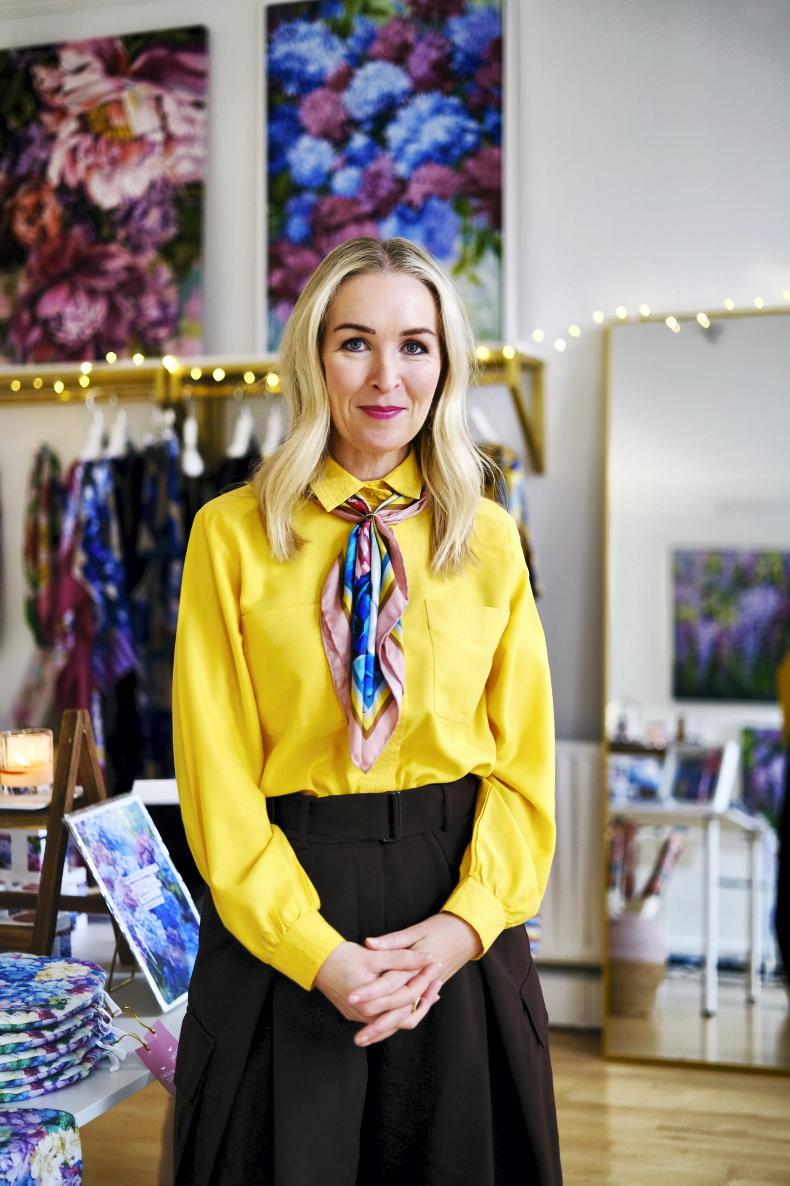
Terms like Ozempic breasts may not be medical diagnoses, but June Moloney of La Jolie Femme in Ennis says they are “a real thing”. The term refers to the changes in the size and shape of the breast as a result of sudden weight loss, and the Clare-based lingerie specialist has noticed them more in the fitting room over the past few years.
“A lot of people are trying to lose weight, but they forget then that the breast tissue is very different to the rest of the body,” June explains. Breasts are composed of glandular, fibrous and fatty tissue; and rapid weight loss can cause the breasts to lose some volume.
“The muscle doesn’t bounce back. A lot of people think they’re going to go smaller and then have two little perky breasts, but that doesn’t happen at all. You’ve a lot of loose skin because of sudden weight loss, and the skin is very, very soft. You have to get all that tissue and all that breast into the cup size.”
After COVID, June saw “an influx of back sizes going up” as people put on weight. “Our typical back size would have been 34, 36, 38. But after COVID, we were up in 44s. Now we have the increase of the weight loss injections so back sizes are coming down, which makes it quite difficult in the fitting room. You have to be quite experienced.”
Getting a correctly fitted bra is much harder after rapid weight loss, June continues. Typically, the client will drop a back size but not cup size, as there is a lot of loose skin that still has to go into a bra.
June says that GLP-1 medications are changing what bras she stocks the shop, how she trains her staff, and how she fits customers. “We’re 20 years in business. When I’m training new staff, before it [GLP-1s] wasn’t even in our vocabulary, but now that’s the topic of conversation.
“It’s going to make our job more challenging. You need more time with a customer to get it right.
“I have a concern as well that people aren’t going to go out and get the right size because their weight is constantly fluctuating.”
GLP-1s and fashion
The conversation around GLP-1s has long departed from being just a health conversation. The ripple effect of injectables is touching trends in lifestyle, food and even fashion, and the outcomes of the latest Vogue Business Size Inclusivity Report prove why.
Size inclusivity on the runway has fallen, and out of the 7,817 looks presented across 182 shows and presentations for autumn/winter 2026, just 0.3% were plus-size (a UK size 18). And for context, last season was 0.9%. The growing use of GLP-1s is identified as a key driver in this.
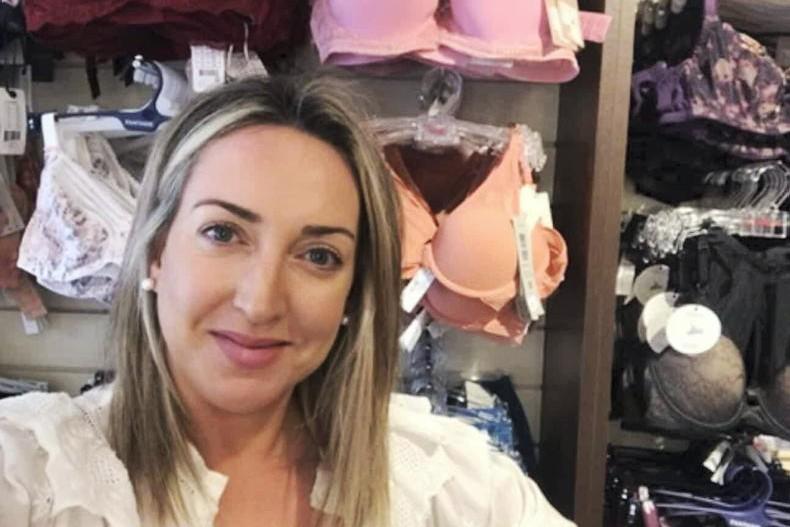
One Irish designer told Irish Country Living that she is seeing the impact of GLP-1s in her fashion business. Jennifer Clare is the creative director of Zafur, and she worked as a personal stylist before starting her own fashion label. She says the trend towards skinny has “always been a problem”, adding “but now it’s becoming more of a problem.”
Jennifer sells her designs in Ireland and on e-commerce platforms in the UK and Los Angeles. The items that she sells range from a size small to extra-large.
Due to the surge in GLP-1 medications and weight loss, Jennifer says that she has noticed a demand for smaller sizes. “It seems like if somebody’s buying something, all the small sizes are going fast. I had to pull back last week on one particular item because I was going to sell out online, because they’re all ordered size small. Now I’m trying to shift the medium, large, and extra-large.
“I’m looking at it from a different perspective,” she qualifies. “In Ireland, you’ll sell more medium than small. But in London or LA, you’re selling more smalls. It’s very interesting to watch at the moment, and I’m literally on the analytics all the time, because, for me, I need to know.”
Anecdotally, Jennifer has also noticed that shops have less size inclusivity than before. “I know myself. I’m trying to buy stuff in the shop. Oh my God, sizing is challenging,” she says.
On the question of access, Professor O’Shea would like to see more visbility and regulation around the use of GLP-1s.
“I have an obesity clinic, and it’s a clinic for people with severe and complex obesity. So I only see people proven to benefit from the trial, but the vast majority of those don’t qualify for reimbursement and are unable to afford the treatment.
“I see a lot of people who want to be on it and can afford to be on it and they don’t have obesity, they just to be thinner. These meds have not been studied in that setting, so they’re taking them outside of licensed indications. My preference is that they wouldn’t be able to access them.”
Dr Ryan says that she faces pressure from some patients to prescribe the obesity treatment drugs, even when they are not needed. “Some patients who don’t medically meet the criteria would put us under pressure to prescribe. But if they’re overweight, but not in the obesity category, and they don’t have a BMI over 30, then technically they don’t qualify for a prescription for a GLP-1.
“You’ll have women who are just a bit overweight, and they’d be like, ‘any chance?’ So you have to stay firm.”
You should always talk to a healthcare professional before taking GLP-1s and check if you meet the criteria that these drugs have been studied in (obesity and type two diabetes) and proven to be beneficial in, says Professor O’Shea.




SHARING OPTIONS