
Say the word ‘Ozempic’ and chances are, you’ve heard of it – which says a lot about how it has integrated into the everyday in Ireland. Medications like Ozempic and other weight-loss treatment drugs have gained widespread interest since they emerged onto the scene, reshaping how obesity and diabetes are treated. They have also changed the face of the public health system, which is trying to keep apace with this rapidly shifting landscape.
But first things first: while these drugs are often talked about like Hollywood’s worst-kept secret, they are medical drugs intended to treat chronic conditions: obesity and Type 2 diabetes, and their associated complications like high cholesterol and cardiovascular disease. They are not ‘fat jabs’ or ‘skinny jabs’, as they are sometimes wrongly described.
Below is a list of the injectable medications used to treat obesity and diabetes which are available in Ireland. Readers will be familiar with the commercial names under which these medications are marketed, like Ozempic and Wegovy, rather than their active ingredients by which experts usually refer to them.

Ozempic (semaglutide), is a prescription medication licensed to manage Type 2 diabetes.
1. Semaglutide is licensed for the treatment of diabetes under the brand name Ozempic. Patients with a HSE-funded medical card, as well as those in the Long-Term Illness (LTI) Scheme, can be prescribed Ozempic. Semaglutide is also licensed under the name Wegovy – and is licensed for the treatment of obesity. This is a once a week injection. Ozempic costs around €150 if paid for privately and Wegovy costs €200-€300 per month.
2. Liraglutide is licensed for obesity under the brand name, Saxenda. It is a daily injection and costs around €250 per month.
3. Tirzepatide is licensed for diabetes and obesity under the brand name, Mounjaro. It is a weekly injection and the price varies from €250-€300 per month, depending on the dose.
If someone has diabetes, they can get Ozempic covered by the Government. A response to a parliamentary question raised by TD Eoghan Kenny revealed that from January to March 2025, 35,571 people availed of Ozempic at a cost of €11.7m under the Long-Term Illness (LTI) Scheme. The reason these 35,000 people do not pay for Ozempic is because they have diabetes.
There are five medications in Ireland licensed to treat obesity. Only one of them, Saxenda, is reimbursed by the Government. It only available for those with a medical card and under very restrictive criteria – if somebody has pre-diabetes, high risk of cardiovascular disease and a BMI greater than 35 kg/m2.
The way the drugs work is that a person injects themselves with hormones that we all produce from our intestine when we eat. The hormones make the person feel full, eat less and lose weight.
There are some studies that have shown a 25- 30% reduction in the amount of food people eat using these medications, depending on which drug is being used, but further research is needed.
It is not known how many people are taking obesity or diabetes medications in Ireland. There is no national patient registry to formally quantify how many patients are prescribed them.
Experts say a registry is needed to understand the extent of use of these drugs.
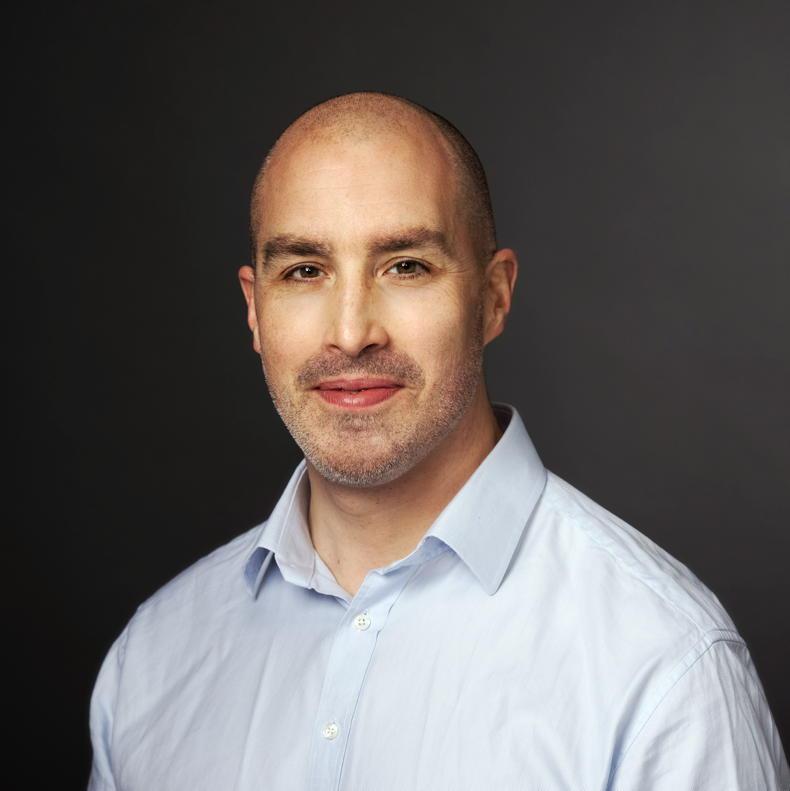
Dr Michael Crotty, GP and co-founder of the private clinic, My Best Weight.
Lifestyle changes
Dr Michael Crotty is a GP and obesity medicine specialist who co-founded the private clinic, My Best Weight, five years ago.
Dr Crotty has worked with over 6,000 patients over that time on health treatment plans, including options like surgery, medication and lifestyle changes. My Best Weight is the only community-based clinic that is accredited with the European Association for the Study of Obesity.
He has found that these medications have been effective at improving health outcomes among people living with diabetes and obesity. However, he emphasises that these are not ‘miracle’ drugs nor should they act as a substitute for other positive health behaviours, including nutrition and exercise.
He explains: “These treatments are not a quick fix. They’re not a skinny jab. These are treatments for obesity, which is a complex medical condition that is chronic, relapsing, genetically linked and environmentally influenced.”
Dr Crotty also says that these medications are not shown to be safe or effective long-term in people who don’t have obesity or diabetes and are simply using them to lose weight.
When people are using these medications, Dr Crotty explains, “it becomes even more important that their nutrition, their movement, their sleep compliments the treatment. They need a high protein and high fibre diet, and they need to be doing resistance training to maintain muscle”.
These treatments are not a quick fix. They’re not a skinny jab. These are treatments for obesity, which is a complex medical condition that is chronic, relapsing, genetically linked and environmentally influenced
The ‘food noise’
Leslie and Nicoletta O’Hora, who live in Carrick-On-Shannon in Co Leitrim, are two of the thousands of people in Ireland using these medications. Leslie admits that he was “a bit hesitant” when his GP suggested obesity treatment medication over one year ago. “But I hadn’t heard any negative stuff,” he says, “so in November, I went on Saxenda [a daily injection].”
“What I call ‘the food noise’ has diminished,” Leslie explains. “I’m not reaching for snacks later in the evening, which was always a bug bear with me. If we go out to eat, and we still love going out to eat, I won’t go for second helpings. It doesn’t affect my liking of food, if you know what I mean.”
Leslie has lost 18kg (39 pounds) since last November. His wife, Nicoletta, has lost 10kg (22 pounds) since starting Ozempic in March. The couple’s prescriptions are both paid for by the Government, as Nicoletta has diabetes and Leslie fits the reimbursement criteria [above] for Saxenda.
Nicoletta started using Ozempic after receiving her diabetes diagnosis in February. “Before I was diagnosed with diabetes, I was eating lots of sweets and had other problems, I was drinking so much water like I was in a desert. Then I did a routine check because of exhaustion and all these problems, and voilà, I have diabetes.”
Nicoletta says that her quality of life, confidence and wellbeing has improved. “She’s pulling stuff out of the wardrobe now that she hasn’t worn since she was a teenager,” jokes Leslie.
“I feel better. I have to lose another 10kg, but slowly, and I’m quite happy,” she says.
Nicoletta tells Irish Country Living about the side effects she has experienced. “The day after the injection, I have to stay near the house, because sometimes I have a bit of nausea or vomiting, but usually the two days after [the injection], I feel like I was before,” she says.
Leslie also has had some side effects. “I don’t have the severe side effects that Nicoletta has with Ozempic but I do have them. Every now and again, I have to stay near a loo and that. You get to know how your body has changed, and you adapt.”
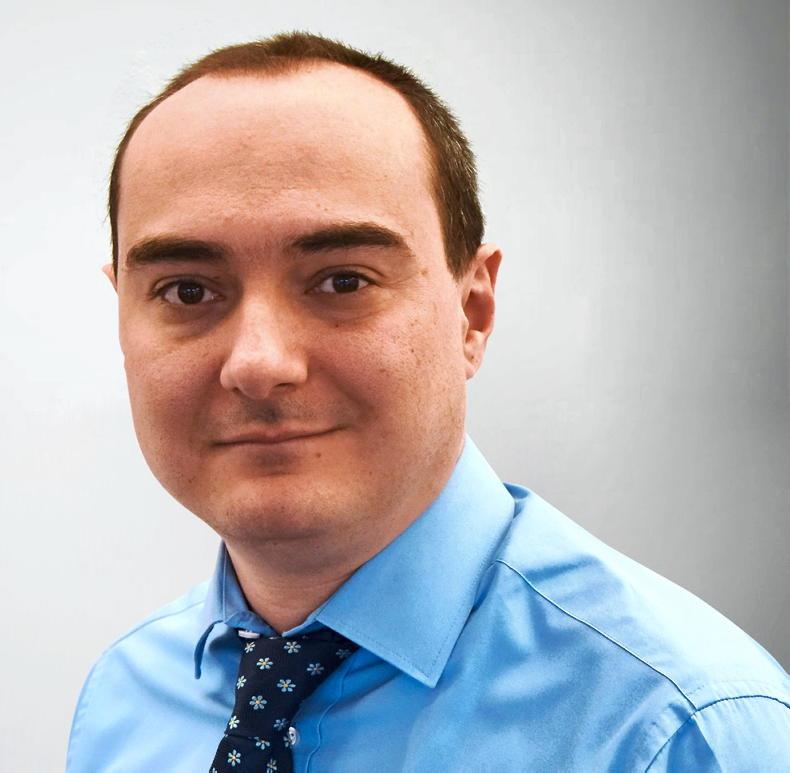
Professor Alex Miras says side effects tend to improve after about 10 weeks of treatment.
Side effects
The most common side effects reported by people using these medications are gastro-related, including nausea, diarrhoea, constipation, and sometimes vomiting. Professor Alex Miras, clinical professor of medicine at Ulster University in Northern Ireland, is a world leading expert in obesity treatment drugs. He tells Irish Country Living that side effects tend to improve after about 10 weeks of treatment.
“What we know from the studies is that 90 to 95% of people are able to tolerate these medications in the long-term, despite initial factors,” says Professor Miras.
“The two worst-case scenarios with these medications are the inflammation of the gallbladder or inflammation of the pancreas. These are very rare, and when they do happen, they’re usually mild or moderate in severity, so people do have to go to hospital, but then things are resolved. They’re not usually long-term consequences.”
I don’t have the severe side effects that Nicoletta has with Ozempic but I do have them
Dr Crotty adds that one obvious reason why patients should procure these drugs through their GP rather than through online pharmacies is because they get support around side effects and learn how to structure their lifestyle to reduce them. He stresses that patients should not put up with side effects in pursuit of a certain size or number on the scales.
“When I meet somebody and ask them, ‘how are you doing?’, the first thing they’ll tell you is how much weight they’ve lost. I say ‘OK, let’s park that for a second’.
How has it happened? Is it because of change in hunger and fullness? Is it because you’re able to be more active? Or is it because you’re feeling sick, because the latter is not what we’re looking for. That’s a side effect. A person’s quality of life is as important as weight change.”
Patients may be reluctant to tell GPs about side effects, particularly if they’re losing weight. Dr Crotty stresses it is important for GPs to directly ask about them.
He adds that GPs should discuss pregnancy with women of childbearing age, if they are trying to conceive. It is vital that women use reliable contraception if they are taking these medications. The current medical advice is that women stop using obesity treatment drugs several months before conception and do a pregnancy test before starting on treatment.
- Ozempic (semaglutide), pictured below, is a prescription medication licensed to manage Type 2 diabetes. If someone has diabetes, they get can Ozempic funded by the Government.
- Semaglutide is also licensed under the name Wegovy for the treatment of obesity. This is not paid for by the Government.
- Saxenda (liraglutide) is a medication licensed for obesity. It is a daily injection.
- Mounjaro (tirzepatide) is licensed for diabetes and obesity and is injected weekly. Mounjaro was introduced in Ireland earlier this year in February.
Next week Irish Country Living investigates the number of people heading to Northern Ireland for their prescription where it is sometimes half the price.

Say the word ‘Ozempic’ and chances are, you’ve heard of it – which says a lot about how it has integrated into the everyday in Ireland. Medications like Ozempic and other weight-loss treatment drugs have gained widespread interest since they emerged onto the scene, reshaping how obesity and diabetes are treated. They have also changed the face of the public health system, which is trying to keep apace with this rapidly shifting landscape.
But first things first: while these drugs are often talked about like Hollywood’s worst-kept secret, they are medical drugs intended to treat chronic conditions: obesity and Type 2 diabetes, and their associated complications like high cholesterol and cardiovascular disease. They are not ‘fat jabs’ or ‘skinny jabs’, as they are sometimes wrongly described.
Below is a list of the injectable medications used to treat obesity and diabetes which are available in Ireland. Readers will be familiar with the commercial names under which these medications are marketed, like Ozempic and Wegovy, rather than their active ingredients by which experts usually refer to them.

Ozempic (semaglutide), is a prescription medication licensed to manage Type 2 diabetes.
1. Semaglutide is licensed for the treatment of diabetes under the brand name Ozempic. Patients with a HSE-funded medical card, as well as those in the Long-Term Illness (LTI) Scheme, can be prescribed Ozempic. Semaglutide is also licensed under the name Wegovy – and is licensed for the treatment of obesity. This is a once a week injection. Ozempic costs around €150 if paid for privately and Wegovy costs €200-€300 per month.
2. Liraglutide is licensed for obesity under the brand name, Saxenda. It is a daily injection and costs around €250 per month.
3. Tirzepatide is licensed for diabetes and obesity under the brand name, Mounjaro. It is a weekly injection and the price varies from €250-€300 per month, depending on the dose.
If someone has diabetes, they can get Ozempic covered by the Government. A response to a parliamentary question raised by TD Eoghan Kenny revealed that from January to March 2025, 35,571 people availed of Ozempic at a cost of €11.7m under the Long-Term Illness (LTI) Scheme. The reason these 35,000 people do not pay for Ozempic is because they have diabetes.
There are five medications in Ireland licensed to treat obesity. Only one of them, Saxenda, is reimbursed by the Government. It only available for those with a medical card and under very restrictive criteria – if somebody has pre-diabetes, high risk of cardiovascular disease and a BMI greater than 35 kg/m2.
The way the drugs work is that a person injects themselves with hormones that we all produce from our intestine when we eat. The hormones make the person feel full, eat less and lose weight.
There are some studies that have shown a 25- 30% reduction in the amount of food people eat using these medications, depending on which drug is being used, but further research is needed.
It is not known how many people are taking obesity or diabetes medications in Ireland. There is no national patient registry to formally quantify how many patients are prescribed them.
Experts say a registry is needed to understand the extent of use of these drugs.

Dr Michael Crotty, GP and co-founder of the private clinic, My Best Weight.
Lifestyle changes
Dr Michael Crotty is a GP and obesity medicine specialist who co-founded the private clinic, My Best Weight, five years ago.
Dr Crotty has worked with over 6,000 patients over that time on health treatment plans, including options like surgery, medication and lifestyle changes. My Best Weight is the only community-based clinic that is accredited with the European Association for the Study of Obesity.
He has found that these medications have been effective at improving health outcomes among people living with diabetes and obesity. However, he emphasises that these are not ‘miracle’ drugs nor should they act as a substitute for other positive health behaviours, including nutrition and exercise.
He explains: “These treatments are not a quick fix. They’re not a skinny jab. These are treatments for obesity, which is a complex medical condition that is chronic, relapsing, genetically linked and environmentally influenced.”
Dr Crotty also says that these medications are not shown to be safe or effective long-term in people who don’t have obesity or diabetes and are simply using them to lose weight.
When people are using these medications, Dr Crotty explains, “it becomes even more important that their nutrition, their movement, their sleep compliments the treatment. They need a high protein and high fibre diet, and they need to be doing resistance training to maintain muscle”.
These treatments are not a quick fix. They’re not a skinny jab. These are treatments for obesity, which is a complex medical condition that is chronic, relapsing, genetically linked and environmentally influenced
The ‘food noise’
Leslie and Nicoletta O’Hora, who live in Carrick-On-Shannon in Co Leitrim, are two of the thousands of people in Ireland using these medications. Leslie admits that he was “a bit hesitant” when his GP suggested obesity treatment medication over one year ago. “But I hadn’t heard any negative stuff,” he says, “so in November, I went on Saxenda [a daily injection].”
“What I call ‘the food noise’ has diminished,” Leslie explains. “I’m not reaching for snacks later in the evening, which was always a bug bear with me. If we go out to eat, and we still love going out to eat, I won’t go for second helpings. It doesn’t affect my liking of food, if you know what I mean.”
Leslie has lost 18kg (39 pounds) since last November. His wife, Nicoletta, has lost 10kg (22 pounds) since starting Ozempic in March. The couple’s prescriptions are both paid for by the Government, as Nicoletta has diabetes and Leslie fits the reimbursement criteria [above] for Saxenda.
Nicoletta started using Ozempic after receiving her diabetes diagnosis in February. “Before I was diagnosed with diabetes, I was eating lots of sweets and had other problems, I was drinking so much water like I was in a desert. Then I did a routine check because of exhaustion and all these problems, and voilà, I have diabetes.”
Nicoletta says that her quality of life, confidence and wellbeing has improved. “She’s pulling stuff out of the wardrobe now that she hasn’t worn since she was a teenager,” jokes Leslie.
“I feel better. I have to lose another 10kg, but slowly, and I’m quite happy,” she says.
Nicoletta tells Irish Country Living about the side effects she has experienced. “The day after the injection, I have to stay near the house, because sometimes I have a bit of nausea or vomiting, but usually the two days after [the injection], I feel like I was before,” she says.
Leslie also has had some side effects. “I don’t have the severe side effects that Nicoletta has with Ozempic but I do have them. Every now and again, I have to stay near a loo and that. You get to know how your body has changed, and you adapt.”

Professor Alex Miras says side effects tend to improve after about 10 weeks of treatment.
Side effects
The most common side effects reported by people using these medications are gastro-related, including nausea, diarrhoea, constipation, and sometimes vomiting. Professor Alex Miras, clinical professor of medicine at Ulster University in Northern Ireland, is a world leading expert in obesity treatment drugs. He tells Irish Country Living that side effects tend to improve after about 10 weeks of treatment.
“What we know from the studies is that 90 to 95% of people are able to tolerate these medications in the long-term, despite initial factors,” says Professor Miras.
“The two worst-case scenarios with these medications are the inflammation of the gallbladder or inflammation of the pancreas. These are very rare, and when they do happen, they’re usually mild or moderate in severity, so people do have to go to hospital, but then things are resolved. They’re not usually long-term consequences.”
I don’t have the severe side effects that Nicoletta has with Ozempic but I do have them
Dr Crotty adds that one obvious reason why patients should procure these drugs through their GP rather than through online pharmacies is because they get support around side effects and learn how to structure their lifestyle to reduce them. He stresses that patients should not put up with side effects in pursuit of a certain size or number on the scales.
“When I meet somebody and ask them, ‘how are you doing?’, the first thing they’ll tell you is how much weight they’ve lost. I say ‘OK, let’s park that for a second’.
How has it happened? Is it because of change in hunger and fullness? Is it because you’re able to be more active? Or is it because you’re feeling sick, because the latter is not what we’re looking for. That’s a side effect. A person’s quality of life is as important as weight change.”
Patients may be reluctant to tell GPs about side effects, particularly if they’re losing weight. Dr Crotty stresses it is important for GPs to directly ask about them.
He adds that GPs should discuss pregnancy with women of childbearing age, if they are trying to conceive. It is vital that women use reliable contraception if they are taking these medications. The current medical advice is that women stop using obesity treatment drugs several months before conception and do a pregnancy test before starting on treatment.
- Ozempic (semaglutide), pictured below, is a prescription medication licensed to manage Type 2 diabetes. If someone has diabetes, they get can Ozempic funded by the Government.
- Semaglutide is also licensed under the name Wegovy for the treatment of obesity. This is not paid for by the Government.
- Saxenda (liraglutide) is a medication licensed for obesity. It is a daily injection.
- Mounjaro (tirzepatide) is licensed for diabetes and obesity and is injected weekly. Mounjaro was introduced in Ireland earlier this year in February.
Next week Irish Country Living investigates the number of people heading to Northern Ireland for their prescription where it is sometimes half the price.
SHARING OPTIONS