



Vulnerable and ill patients with certain blood cancers in Cork and Kerry are being sent from Munster hospitals to Galway or Dublin for stem-cell transplants because Cork University Hospital (CUH) cannot currently provide the full transplant process.
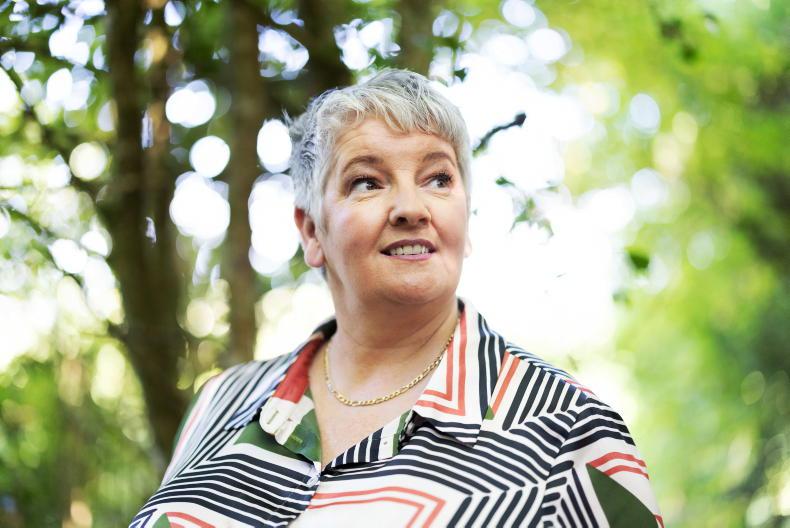
Award-winning singer Mags McCarthy, from Dripsey, Co Cork, is campaigning for the service and will take the issue to Leinster House on Wednesday 7 October, at a briefing for TDs and senators.
Mags has first-hand experience of the difficulties involved. Four years ago, her father needed a stem-cell transplant. He had his chemotherapy at CUH but was sent to St James’s Hospital in Dublin for the transplant.
“The first day you leave to get your transplant, you’re not just heading into CUH, which is less than half an hour down the road,” she says. “You’re leaving to go three hours away.
“You’re thinking he’s leaving home – he might not come back.”
With her father’s immune system badly weakened by treatment, she didn’t want to stay in Dublin accommodation and risk bringing an infection in. She drove up from Cork and back every day for a gruelling six weeks.
“I had my sandwiches and everything in the car,” she says. She speaks highly of the medical teams. “The care was phenomenal,” Mags says. What she wanted to know was why patients in Cork and Kerry still had to go elsewhere. She is now campaigning for a stem-cell transplant and cellular therapy programme at CUH.
Dermot O’Leary, a dairy farmer from Bandon, Co Cork, was diagnosed with multiple myeloma 10 years ago. Like most patients, he had never heard of it before.
“I looked it up, googled it,” he says. He found a support group in Tullamore and drove up to meet them. “I came away a lot more informed.”
His transplant took place in Galway. CUH previously carried out stem cell transplants, but the service was voluntarily suspended in 2009 after an inspection by the Irish Medicines Board, now the Health Products Regulatory Authority (HPRA), found that equipment and clean-room facilities needed upgrading or replacing to meet developing standards. There have since been ongoing efforts to restore the service.
Dermot remembers being told to stay near the phone, ready to travel at short notice.
Support group
The call came on Tuesday 8 November, and he spent that night on a trolley waiting for a bed to free up – a night he remembers for another reason too, as the US election results came in overnight, with Donald Trump elected president for the first time.
“There’s a psychological thing as well as anything else,” he says. “You’re with your medical team in CUH, and then you’re handed over to a different team who don’t necessarily know everything about you.”
“The hardest part was the ambulance journey home. You had to go on an ambulance back from Galway to Cork,” he says. “You’re not feeling great – the ambulance journey was terrible.”
He came out of hospital in December, weak and bald, with calving due to start in early February. He wasn’t sure he’d manage it.
“I was shook,” he says. “But I did the night calvings. I was surprised – I managed to do the day-in, day-out stuff.”
He has since helped set up a support group in Cork for patients with multiple myeloma, which now has around 40 members and meets every second month.
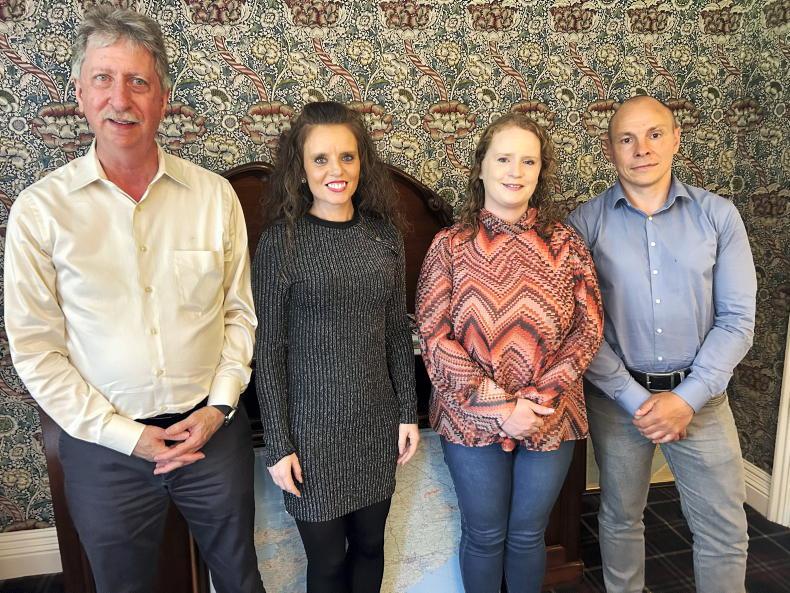
Irish Country Living asked consultant haematologist at CUH, Dr Vitaliy Mykytiv to explain stem-cell transplants. He says the old term, bone marrow transplant, now sits within a wider group of cellular therapies. An autologous transplant uses the patient’s own stem cells, and an allogeneic transplant uses cells from a donor. CAR-T therapy is different: it works like a custom-built rescue mission; doctors extract a patient’s own immune cells, programme them in a lab to hunt down a specific cancer, and return the surpercharged cells to the body to destroy the disease.
We don’t have the lab where we can process the cells, so we can’t do the full process from beginning to end
Dr Mykytiv says 77 patients in Cork and Kerry have been referred for cellular therapies this year. Sixty have been treated or have a date, and 17 still must be seen at St James’s and given one.
“A simple way to put it would be like teaching them to recognise the cancer cells again, and you teach them to destroy the cancer cells, and you put them back in the body,” Dr Mykytiv says.
A transplant has three stages: collecting the cells, processing them and infusing them, and then the specialist care that follows. CUH already looks after patients after transplantation and at other stages of treatment, but it has no laboratory to process the cells.
“We don’t have the lab where we can process the cells, so we can’t do the full process from beginning to end,” he says.
Dr Mykytiv says 77 patients in Cork and Kerry have been referred for cellular therapies this year. Sixty have been treated or have a date, and 17 still must be seen at St James’s and given one.
Mags says the travel affects more than the patient. “It’s not just the patients, it’s the family members around them that are trying to support them,” she says. Since starting the campaign, she has heard from patients and families across the country about their own journeys.
“I’m doing this for the patients – the emotional [impact], the financial, just the geographical accessibility,” she says.
Stem cell campaign
The campaign is built around a proposed €27m development at CUH. Dr Mykytiv says it would provide the laboratory needed to process stem cells, so that CUH could offer autologous transplants from start to finish.
“The first step is to get the autologous stem-cell transplant back and, with the lab, we can do it pretty much straight away, and later followed by CAR-T therapies,” he says.
It would also include a pharmacy aseptic compounding unit, where chemotherapy drugs are prepared. Dr Mykytiv says that would help patients with other cancers too, not only those needing transplants. Allogeneic transplants, using donor cells, are a longer-term aim and would need more resources and expertise.
For patients in Cork and Kerry, he says the most obvious gain is being treated nearer home. “I’m starting to realise, when patients speak up about their experience, how important it is for them to have treatment close to home,” he says.
He also argues the benefits would reach beyond the south. He describes national access to these treatments as poor, with the existing centres under pressure. St James’s is the only one that provides all three therapies. Galway and St Vincent’s also carry out autologous transplants, though St Vincent’s treats its own patients only.
The first step is to get the autologous stem-cell transplant back and, with the lab, we can do it pretty much straight away, and later followed by CAR-T therapies
A programme in Cork would add capacity nationally, he says, at a time when the field is moving quickly. “Ireland is not prepared for this new type of therapies, which are expanding quite fast,” he says. He adds that their use is starting to extend beyond blood cancers.
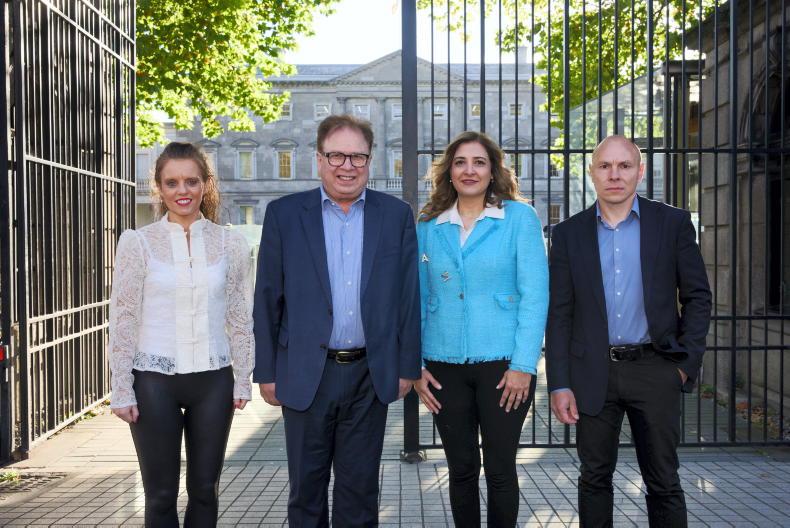
On 7 October the campaign goes to Leinster House, where clinicians, patients, advocates and international experts will make the case for the service to TDs and senators. The briefing is being hosted by Senator Eileen Lynch, whom Mags credits with getting the issue in front of politicians.
Dr Mykytiv will attend to set out the clinical argument. Dr Bruce Levine, a co-inventor of CAR-T cell therapy, is due to contribute by video.
Mags says the goal is to secure the capital funding. “They need to fund this. It needs to be prioritised,” she says.




SHARING OPTIONS