Professor Des O’Neill, geriatrician and author of Ageing and Caring, says: “Sleep is vital for a whole range of reasons.
“It’s a really important form of downtime for the body. It’s about the brain settling and organising itself and about the consolidation of memory. So if you don’t get a proper night’s sleep, it can impact on you the next day.”
From the age of 65 onwards, some people become aware of a sensation of not sleeping as well as they used to, he says.
“Your body will not usually allow you to be deprived of sleep. But if you are concerned that your sleeping pattern is beginning to interfere with your wellbeing, then maybe you need to start looking at a few fairly simply sleep hygiene principles.
“If these don’t work you may need to talk to your GP, as some medical conditions can affect sleep patterns.”
Professor O’Neill’s top tips are as follows:
1 Fixing a regular bedtime is important: “That’s because your body is much more likely to develop a sleep pattern if you can adopt a regular bedtime, no matter whether you are working or retired.”
2 Exercise helps: “Exercise in the afternoon rather than just before bed.”
3 Avoid daytime naps: “It can get into a vicious circle. You don’t sleep at night so you nap during the daytime and then you don’t sleep well at night. If you must take a nap, I would advise limiting it to 30 to 45 minutes, preferably in the afternoon.”
4 Watch what you drink: “Staying away from tea or coffee (anything with caffeine in it) and from drinks (non-alcoholic and alcoholic) near bedtime is a good idea as well.”
5 Diet and distractions: “Avoiding heavy or spicy food in the evening is helpful as well, and don’t have a television in your room as it’s too stimulating before you go to sleep.”
6 A comfortable bedroom: “Using your bedroom as an office, workroom or study isn’t advisable. It should be reserved for sleep and intimacy so that you have a sense of it being a haven of rest.”
7 Bedroom investment: “Invest in a good mattress and comfortable bedclothes. The room shouldn’t be too hot or too cold either.”
8 Noise and light: “Cutting out light and noise is important too. Consider ear plugs and blackout curtains if necessary.”
SLEEPING TABLETS
Professor O’Neill doesn’t believe that sleeping tablets are the answer if sleep patterns are a concern.
“Mostly, we try to avoid using sleeping tablets. They are only licensed for four to six weeks. While they improve the sensation of having slept well, they don’t improve the architecture of your sleep.
“As you sleep, your brain goes into different phases and the final one – REM (rapid eye movement sleep) stage – is particularly important. This is where the brain is doing its housekeeping for the night (dreaming, storing up memories and retaining learning). It is quite important in relation to your own health and wellbeing.
“Even though sleeping tablets can induce drowsiness, many don’t actually promote this deep sleep, so you may not feel really rested after taking them.”
He admits that the area of sleeping tablets “is one of the most challenging in Irish culture”.
“People can very quickly become dependent on them and then it becomes very hard to come off them. You should try to avoid getting onto them in the first place. They do have a limited role, like when someone is trying to sleep on a very noisy ward or during an acute event like sudden or unexpected bereavement, but they shouldn’t continue beyond a few weeks.”
MEDICAL CONDITIONS
Some medical conditions can interfere with sleep and you should be aware of these, he says, and see your family doctor if needed.
“Depression and/or anxiety can affect sleep patterns. Symptoms may include having difficulty getting to sleep or maybe waking very early. Treatment that reduces your depression can also help your sleep patterns.”
Sleep apnoea can affect sleep as well.
“That’s where you have snoring episodes and episodes where your breathing stops suddenly and then picks up again. Sleep apnoea responds very well to treatment, but you may not be aware of it unless you have a spouse or partner who hears you.”
Another interesting condition, he says, is restless legs syndrome.
“It is what it says on the tin. Your legs are moving or fidgeting all by themselves instead of lying calm and peaceful. People put up with this for years when they don’t have to. It affects both men and women. It’s very treatable and usually responds with treatment for the person’s iron or dopamine levels. Although you may not have Parkinson’s disease, small doses of the medication for that can help to improve your sleep in this situation.”
Going to the toilet during the night can also affect sleep.
“If you’re getting up in the middle of the night, particularly if it’s happening to the point where it is interfering with sleep, you should definitely be talking to your family doctor.
“For a male, it may well be a problem with the prostate which you should get checked out once you start getting the symptoms.There are treatments for benign prostatic hypertrophy where the prostate gets enlarged.
“There is also treatment for those people where this (frequency) might be an early sign of prostate cancer.
“Particularly if you are relatively young and you’re getting up quite a lot in the night, you need to be checked out for this. But for most people it will be benign and there are many medications that can help. At a higher level, there are surgical options that can help as well.
“For women, it may be a case of checking if there is a bladder infection or gynaecological issue present. If you’ve got an unstable or irritable bladder, for instance, bladder training and cautious use of certain medications may help.
“It’s important not to be fatalistic about it, but saying: ‘Yes, we can do something about this.’
“The key determinant is how much it is interfering with you the next day. If you’re sleepy the next day, you should really have a discussion with your family doctor about it.”
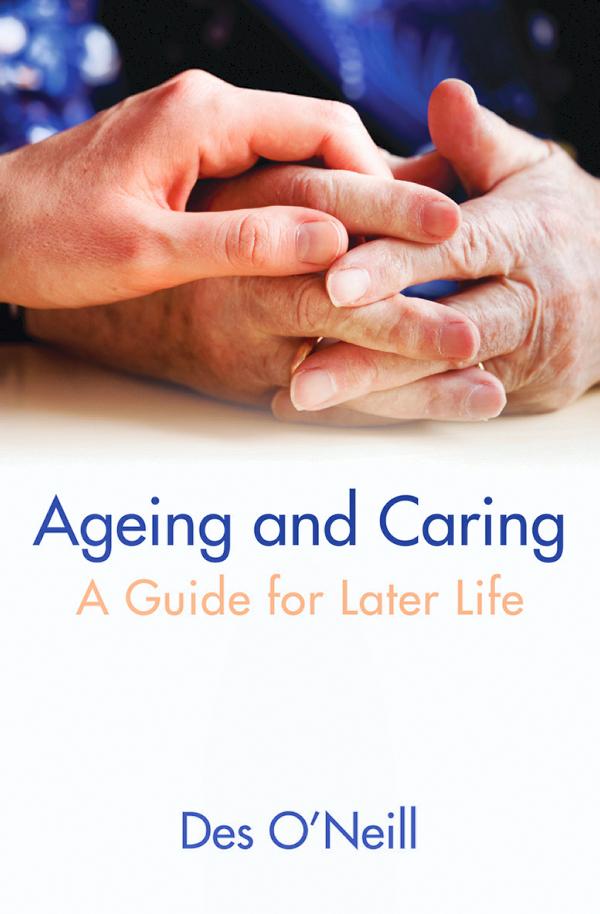
• Professor Des O’Neill’s book, Ageing and Caring: A Guide for Later Life is available in all good book shops at €17.95.
Professor Des O’Neill, geriatrician and author of Ageing and Caring, says: “Sleep is vital for a whole range of reasons.
“It’s a really important form of downtime for the body. It’s about the brain settling and organising itself and about the consolidation of memory. So if you don’t get a proper night’s sleep, it can impact on you the next day.”
From the age of 65 onwards, some people become aware of a sensation of not sleeping as well as they used to, he says.
“Your body will not usually allow you to be deprived of sleep. But if you are concerned that your sleeping pattern is beginning to interfere with your wellbeing, then maybe you need to start looking at a few fairly simply sleep hygiene principles.
“If these don’t work you may need to talk to your GP, as some medical conditions can affect sleep patterns.”
Professor O’Neill’s top tips are as follows:
1 Fixing a regular bedtime is important: “That’s because your body is much more likely to develop a sleep pattern if you can adopt a regular bedtime, no matter whether you are working or retired.”
2 Exercise helps: “Exercise in the afternoon rather than just before bed.”
3 Avoid daytime naps: “It can get into a vicious circle. You don’t sleep at night so you nap during the daytime and then you don’t sleep well at night. If you must take a nap, I would advise limiting it to 30 to 45 minutes, preferably in the afternoon.”
4 Watch what you drink: “Staying away from tea or coffee (anything with caffeine in it) and from drinks (non-alcoholic and alcoholic) near bedtime is a good idea as well.”
5 Diet and distractions: “Avoiding heavy or spicy food in the evening is helpful as well, and don’t have a television in your room as it’s too stimulating before you go to sleep.”
6 A comfortable bedroom: “Using your bedroom as an office, workroom or study isn’t advisable. It should be reserved for sleep and intimacy so that you have a sense of it being a haven of rest.”
7 Bedroom investment: “Invest in a good mattress and comfortable bedclothes. The room shouldn’t be too hot or too cold either.”
8 Noise and light: “Cutting out light and noise is important too. Consider ear plugs and blackout curtains if necessary.”
SLEEPING TABLETS
Professor O’Neill doesn’t believe that sleeping tablets are the answer if sleep patterns are a concern.
“Mostly, we try to avoid using sleeping tablets. They are only licensed for four to six weeks. While they improve the sensation of having slept well, they don’t improve the architecture of your sleep.
“As you sleep, your brain goes into different phases and the final one – REM (rapid eye movement sleep) stage – is particularly important. This is where the brain is doing its housekeeping for the night (dreaming, storing up memories and retaining learning). It is quite important in relation to your own health and wellbeing.
“Even though sleeping tablets can induce drowsiness, many don’t actually promote this deep sleep, so you may not feel really rested after taking them.”
He admits that the area of sleeping tablets “is one of the most challenging in Irish culture”.
“People can very quickly become dependent on them and then it becomes very hard to come off them. You should try to avoid getting onto them in the first place. They do have a limited role, like when someone is trying to sleep on a very noisy ward or during an acute event like sudden or unexpected bereavement, but they shouldn’t continue beyond a few weeks.”
MEDICAL CONDITIONS
Some medical conditions can interfere with sleep and you should be aware of these, he says, and see your family doctor if needed.
“Depression and/or anxiety can affect sleep patterns. Symptoms may include having difficulty getting to sleep or maybe waking very early. Treatment that reduces your depression can also help your sleep patterns.”
Sleep apnoea can affect sleep as well.
“That’s where you have snoring episodes and episodes where your breathing stops suddenly and then picks up again. Sleep apnoea responds very well to treatment, but you may not be aware of it unless you have a spouse or partner who hears you.”
Another interesting condition, he says, is restless legs syndrome.
“It is what it says on the tin. Your legs are moving or fidgeting all by themselves instead of lying calm and peaceful. People put up with this for years when they don’t have to. It affects both men and women. It’s very treatable and usually responds with treatment for the person’s iron or dopamine levels. Although you may not have Parkinson’s disease, small doses of the medication for that can help to improve your sleep in this situation.”
Going to the toilet during the night can also affect sleep.
“If you’re getting up in the middle of the night, particularly if it’s happening to the point where it is interfering with sleep, you should definitely be talking to your family doctor.
“For a male, it may well be a problem with the prostate which you should get checked out once you start getting the symptoms.There are treatments for benign prostatic hypertrophy where the prostate gets enlarged.
“There is also treatment for those people where this (frequency) might be an early sign of prostate cancer.
“Particularly if you are relatively young and you’re getting up quite a lot in the night, you need to be checked out for this. But for most people it will be benign and there are many medications that can help. At a higher level, there are surgical options that can help as well.
“For women, it may be a case of checking if there is a bladder infection or gynaecological issue present. If you’ve got an unstable or irritable bladder, for instance, bladder training and cautious use of certain medications may help.
“It’s important not to be fatalistic about it, but saying: ‘Yes, we can do something about this.’
“The key determinant is how much it is interfering with you the next day. If you’re sleepy the next day, you should really have a discussion with your family doctor about it.”
• Professor Des O’Neill’s book, Ageing and Caring: A Guide for Later Life is available in all good book shops at €17.95. 




SHARING OPTIONS