



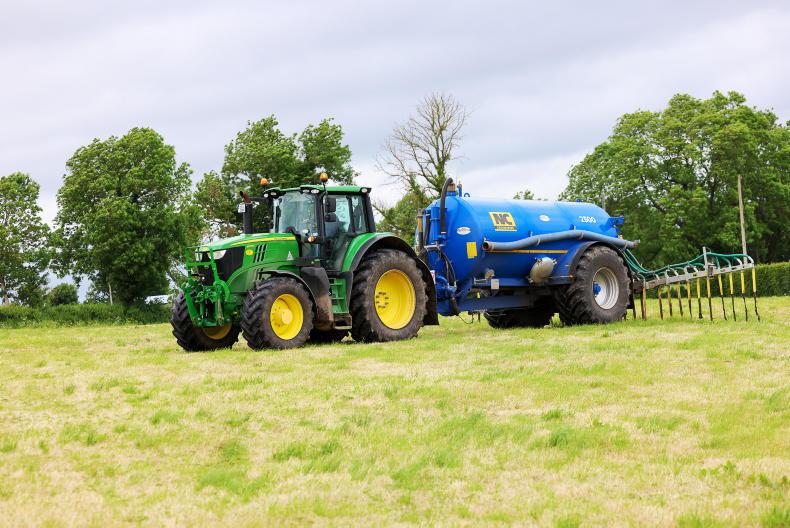
Modern farm machinery is placing greater demands on tractor hydraulics than ever before. Slurry tankers, seed drills, baler wrappers and forestry equipment all depend on hydraulic performance for core functionality, yet many still judge a tractor’s capability solely on engine horsepower. However, that should not be the only metric used as machinery gets more functionality.
The result of using the incorrect baseline to judge a machine is familiar to dealers and machinery manufacturers: one tractor will run an implement all day with no issue, while another becomes noisy, runs hot and struggles to cope.
It is often assumed to be a horsepower problem or a fault with the machine. It is frequently down to hydraulic capacity or the system setup. PTO requirements are well understood; as an implement designed for 1,000rpm will not perform at 540rpm.
Hydraulics are no different. Every hydraulic motor, cylinder and valve requires specific oil flow and pressure to operate correctly. If the tractor cannot supply it, performance drops immediately. As machinery becomes more advanced, hydraulics, as a metric, is now as important as horsepower when matching tractors and various implements.
Flow, pressure and power
Hydraulics come down to three basics: flow determines speed; pressure determines force; and together they create hydraulic power. A loader lifting bales needs pressure. A slurry macerator or seed drill fan needs flow. A Massey Ferguson 135 had decent pressure range of up to 2,800PSI set according to the manufacturer’s relief valve, but its flow was limited at 17 litres per minute (lpm) which was fine for those times.
By contrast, today’s Massey Ferguson 7716 offers slightly more pressure at 2,900PSI but offers customers a high-flow pump option of 190lpm which is more than 10 times greater. Modern implements increasingly need both at the same time. The key issue is that many farmers focus on pressure, when flow is usually the limiting factor. A tractor can have plenty of pressure but still struggle to run hydraulic motors if there is a poor oil supply or its restricted.
Every hydraulic service on the tractor shares the hydraulic system. Steering, lift linkage, loaders and spools all draw from it. Some tractors may have tandem pumps with one dedicated to steering and one to auxiliaries. Sometimes certain functions require short bursts of oil. Others are continuous demand, like hydraulic motors. Understanding this distinction helps diagnose performance issues.
Modern implements
Older slurry tankers were relatively simple. A single-acting service opened and closed the discharge valve. Modern tankers equipped with low-emission slurry spreading (LESS) technology can include steering axles, turbo fillers, trailing shoes, macerators and lazy arms, often requiring multiple hydraulic functions to operate simultaneously.
The macerator is usually the critical load, requiring a continuous supply of 30-60lpm depending on size. If flow drops, chopping and distribution quality deteriorate immediately. Even when a tractor is capable on paper, steering, linkage or loader use can divert oil and reduce performance.
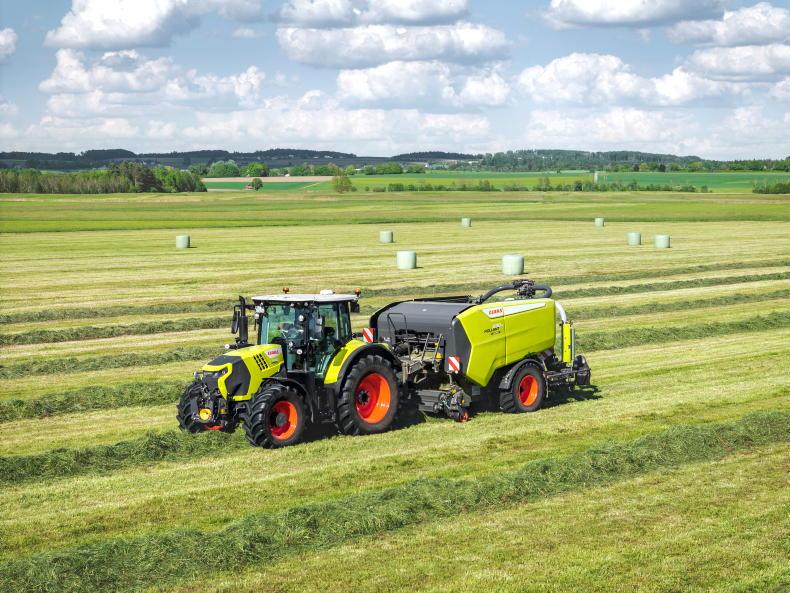
The same issue occurs with bale wrappers, which need consistent wrapping speed, and seed drills, which rely on steady fan airflow for accurate seed placement. Hydraulic mismatches are often blamed on the implement, but the cause may simply be limited flow capacity or incorrect setup.
Open-centre hydraulics
Open-centre systems are still found on older tractors and simpler machines. Typically using a gear pump, they circulate oil continuously whenever the engine is running, returning oil to tank until a spool valve is activated. They are simple, robust and suitable for basic tasks such as tipping trailers and operating low-demand implements.
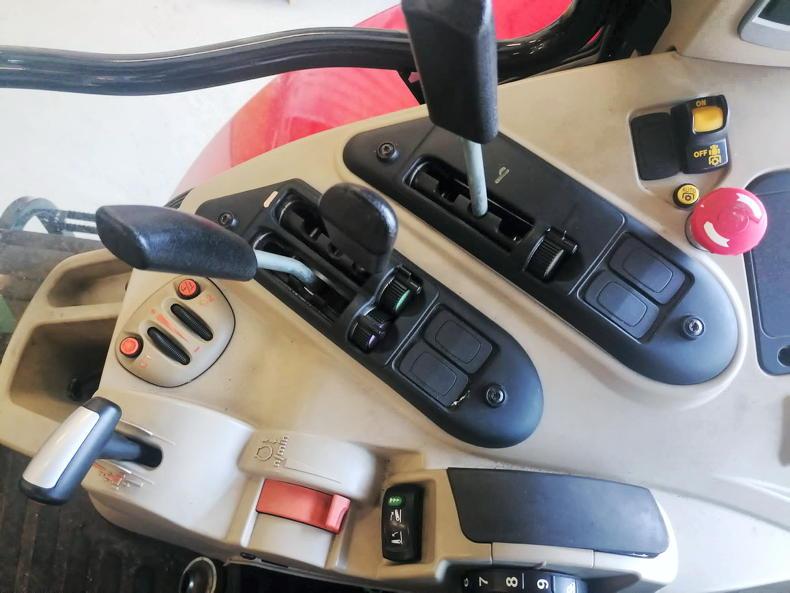
However, they have limitations. The pump is always working, wasting power and generating heat. Oil flow is tied directly to engine speed, multiple services can interfere with one another, and they struggle with modern hydraulic motors that require stable flow.
Closed-centre load sensing
Most modern tractors use closed-centre load-sensing systems. Instead of pumping oil constantly, the system supplies only what is required. A load-sensing line signals demand, allowing the variable displacement pump to adjust output automatically through pressure and flow regulators.
In simple terms, the implement requests oil and the pump responds accordingly. This improves fuel efficiency, reduces heat and allows multiple functions to operate together more effectively. These systems are particularly suited to hydraulic motors and high-demand equipment, although they are more expensive and depend on correct setup, clean plumbing and compatible implements.
Flow control and spool settings
Flow control is one of the most underused settings on modern tractors. Flow controls speed and pressure creates force. Get flow wrong and performance suffers immediately. Too much flow causes heat, noise, harsh operation and can damage hydraulic motors. Too little flow results in weak performance and slow response.
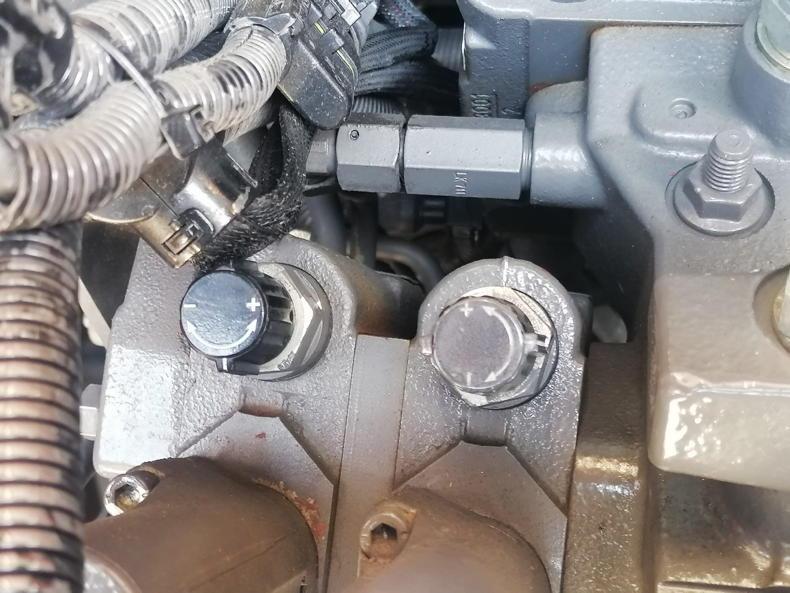
Hydraulic motors are especially sensitive. Macerators, drill fans and wrappers all need to run within a specific flow range. Outside that range, performance drops quickly. Correct flow setting can improve results more than increasing tractor size.
Power beyond
Power beyond is often misunderstood but increasingly important. A standard spool supplies oil temporarily or in relatively low volumes continuously. Power beyond provides a dedicated hydraulic feed directly from the tractor system back to the implement.
This allows the implement to control its own hydraulic functions through its own valve block. It is common on combi baler wrappers, combination drills and forestry equipment. Without it, operators often leave spools open continuously, which creates heat and wastes energy. With it, systems run cleaner and more efficiently.
Although, retrofit is available, power beyond is a feature farmers should consider when upgrading their tractor.
Spool imbalance in practice
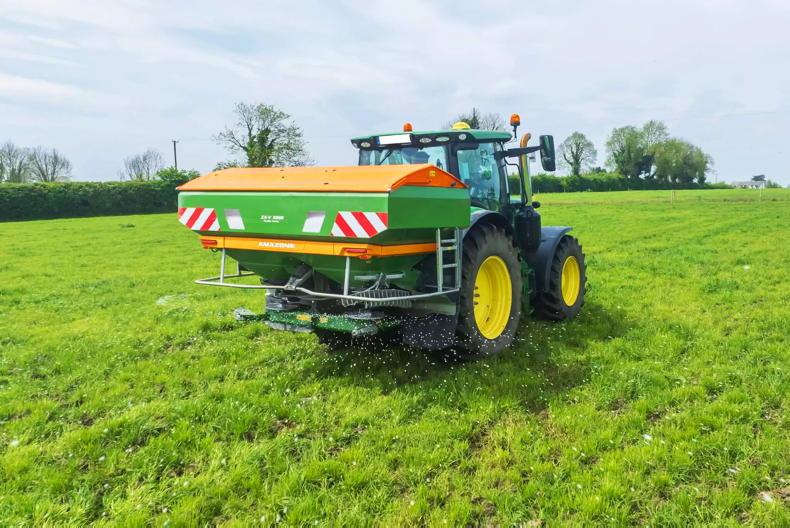
It’s important to get hydraulic flow right and even. On a fertiliser spreader for example, it’s important that both disc shutters open/close at the right speed. If the spools are not set correctly the oil flow will be different and hence a different spread pattern will be seen particularly on the headland as one disc closes slower than the other. Hydraulic motors can also fluctuate in speed when other services are used at the same time. That is usually a sign of poor flow prioritisation or limited capacity. Correct setup is critical for consistent results.
Hoses and hydraulic couplers
Not all hydraulic limitations come from the tractor. Hoses and couplers are a common restriction point. A 0.5in hose has a fixed flow limit regardless of tractor size and horsepower. Standard couplers can also restrict flow, particularly in high-demand systems. Flat-face couplers, including O-ring face seal-style (ORFS-style) fittings, may improve flow, reduce spillage and handle pressure better under load.
Return lines and case drains
Hydraulic failures are often caused by incorrect returns. Many hydraulic motors require a free-flow return and sometimes a case drain line. If oil is forced through a restricted return, back pressure will begin to build. That creates heat, accelerates wear and tear and can be terribly noisy.
Missing or incorrectly fitted case drains are particularly damaging. Internal pressure builds inside the motor housing and can quickly destroy components especially seals.
These are simple issues that often lead to expensive failures. A 0.5 inch feed and 0.75 inch return is common on lots of machines.
The difference between hydraulic systems is evident when comparing a Massey Ferguson 399 and a John Deere 6620 Premium. The 399 uses open-centre hydraulics with a fixed gear pump and produces up to 57lpm at full engine speed. It is simple and reliable but limited under continuous hydraulic load.
The 6620 uses a variable displacement load-sensing pump with approximately 96lpm capacity. It produces only the oil required and adjusts output instantly as demand changes. In practice, the MF 399 performs well with basic hydraulic tasks but may struggle with continuous motors and multiple functions.
The 6620 delivers smoother operation, greater efficiency and better performance under load.
Contractor requirements
Hydraulic demand has increased sharply in recent years but so too has displacement in most tractors. Most tractors brands today offer very good displacement with pump options for high flow implements.
In practical terms, around 75lpm is now the minimum for basic hydraulic motors. Around 90lpm gives more reliable performance. Contractors running multiple functions simultaneously typically need 120-150lpm to maintain stability under load. It is not just about peak flow but maintaining flow when multiple services are working together. Contractors should look to purchase multiple spool services, power beyond and LS pumps on tractors.
Also match spools, spool set up, and couplers to suit the various implements they operate. Having a discussion with your dealer is key here to optimise machine settings.
Hydraulics are no longer secondary systems on modern tractors. There is no right or wrong hydraulic type like diesel cars and petrol cars. Each has strengths and limitations. Closed-centre load-sensing (CCLS) is more expensive to purchase first day, more expensive to repair and service but offers key advantages when hydraulic demand is high or variable.
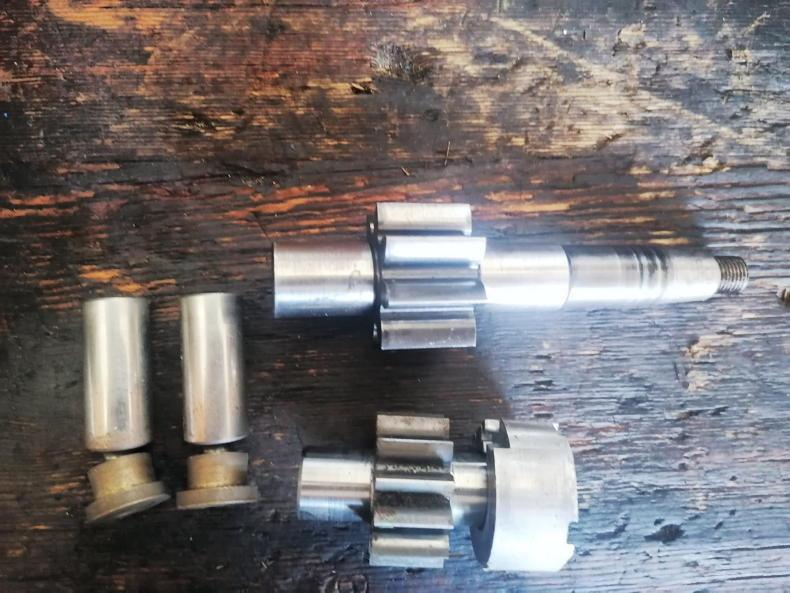
Hydraulics needs due consideration when purchasing a tractor or implement as they are central to how most machines perform and they should work in unison. Understanding the difference between open-centre and load sensing systems, and recognising the importance of flow, return capacity and correct setup, allows farmers to avoid most of the common performance issues seen in the field. In many cases, a small hydraulic adjustment will make more difference than extra horsepower. Correct setup is critical; it is not a case of just plugging in hoses and carrying on.
When choosing machinery, hydraulic requirements need to be checked as carefully as horsepower. Key questions are simple: how much flow is needed, is it continuous, is load sensing required, and does it need power beyond or case drains. Many modern implements will physically run on older tractors but may not perform properly if hydraulic capacity is marginal.


SHARING OPTIONS