



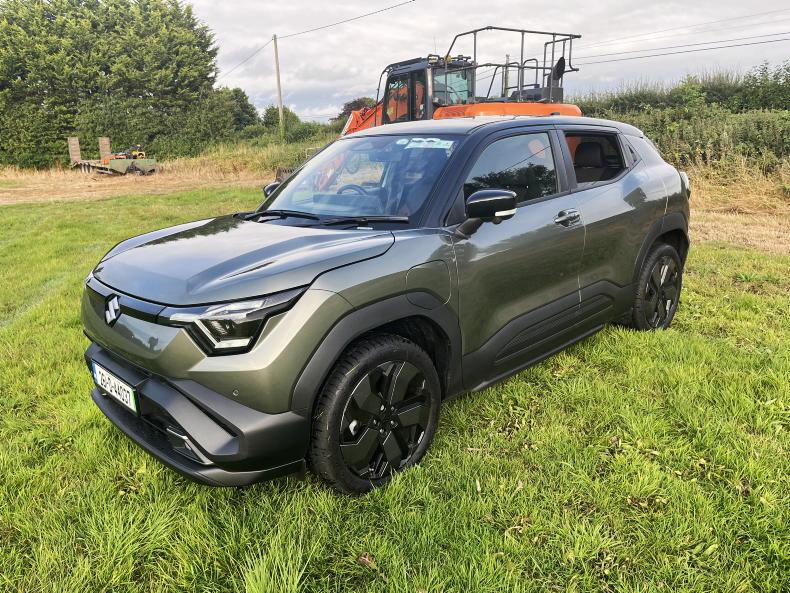
Perhaps it was my previous ownership experience of a number of old-school, diesel-powered Vitara models back in the noughties that influenced me, but whatever it was, this felt like one of the better small electric SUVs to drive.
This e-Vitara is the first all-electric model from Suzuki, a Japanese company that has been rated as one of the better small car manufacturers.
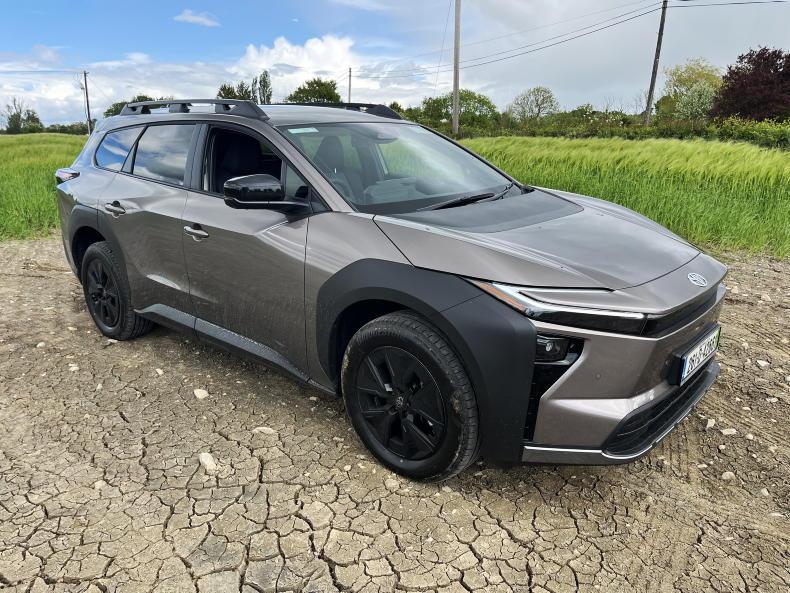
What makes the All-Grip version that I drove different is the fact that its true off-road Vitara heritage is continued in a battery electric SUV, with a unique four-wheel-drive system.
When the e-Vitara was launched back in March this year, we had the opportunity to take it on some serious off-road trails, where its All-Grip features proved well up to the test.
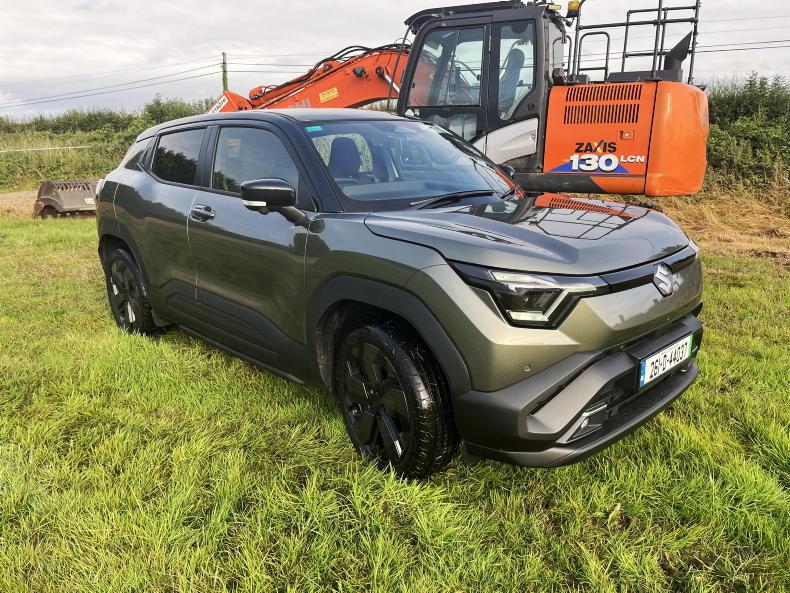
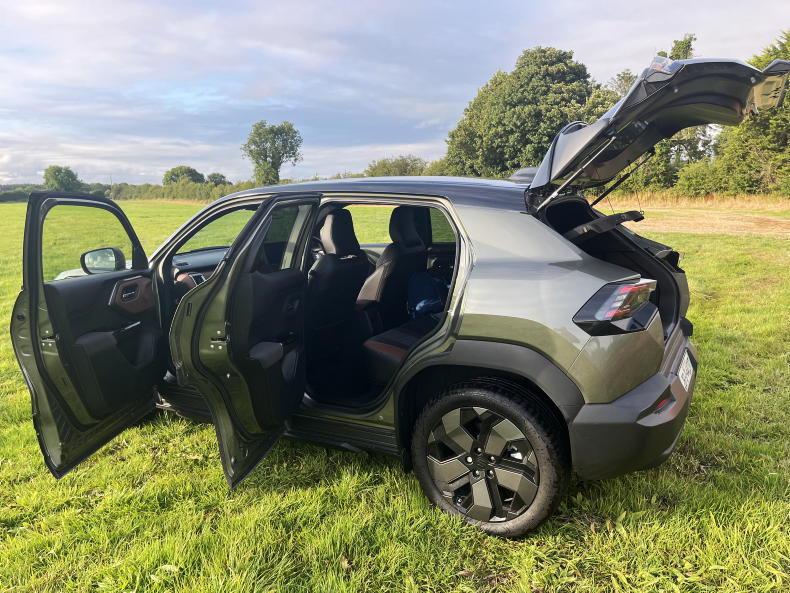
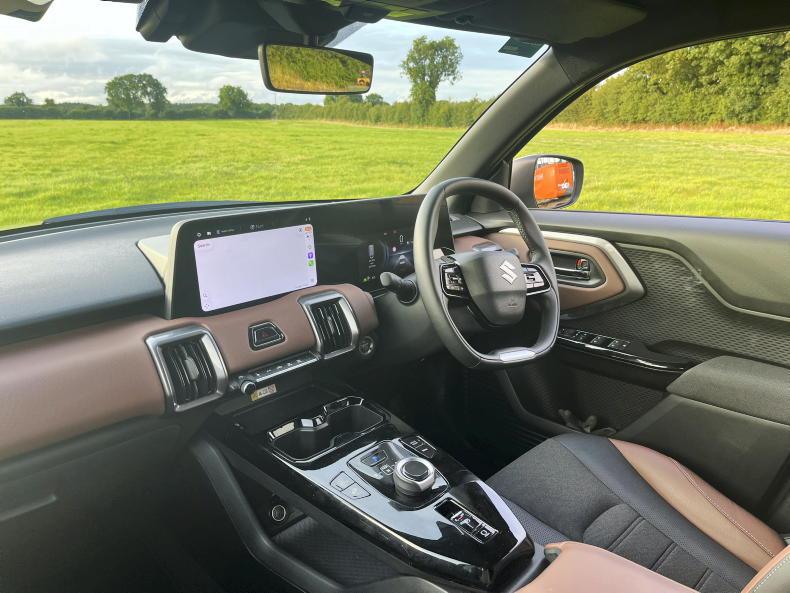
Most of my recent test drive of the e-Vitara was on roads, where the overall vehicle balance was equally as impressive as the hill descent system tested in forest trails back last March.
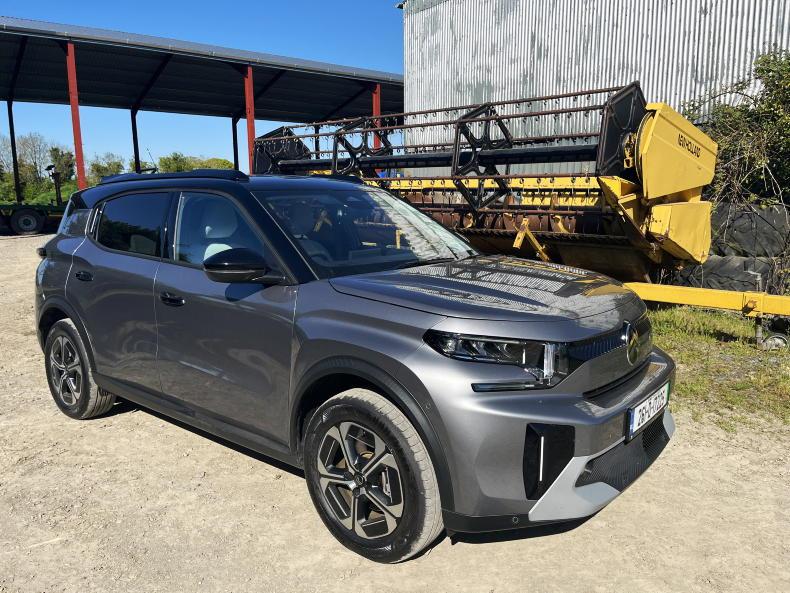
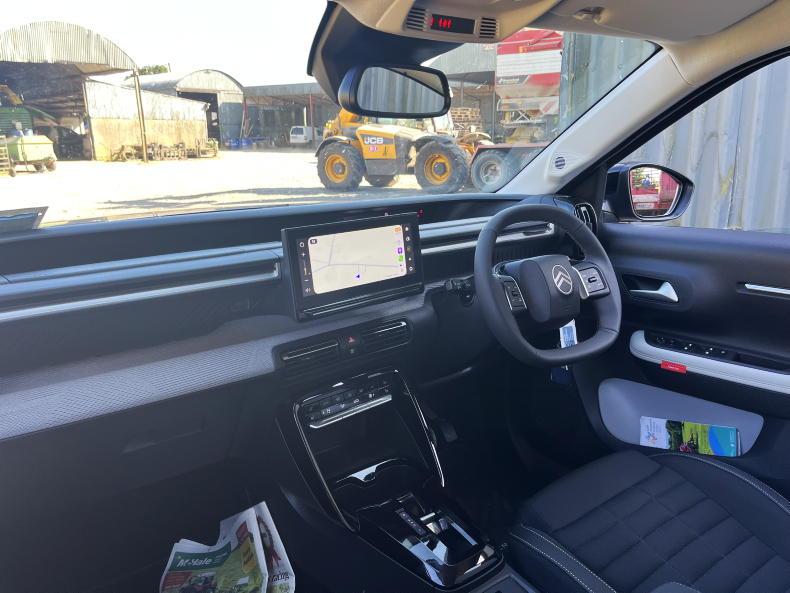
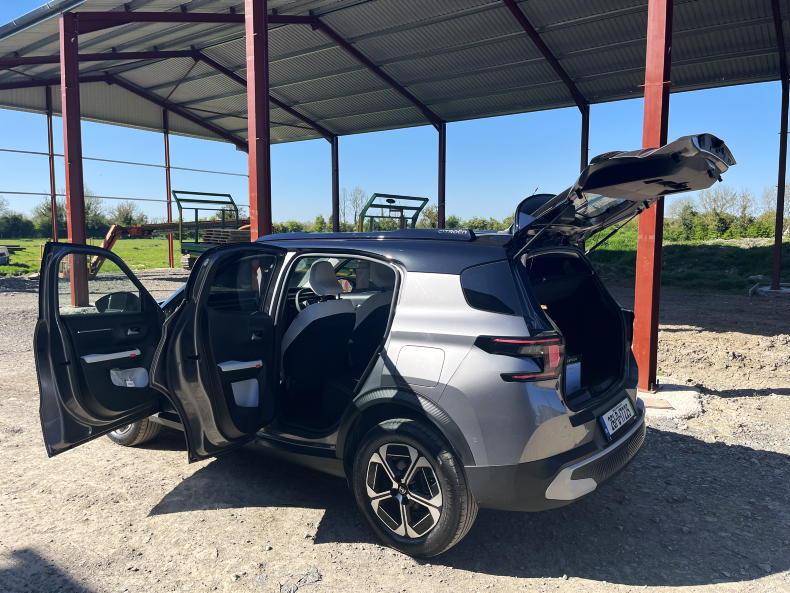
Small SUVs are now especially popular in Ireland, so it is to be expected that there will be some competition for the e-Vitara. This week, I’ve compared the e-Vitara with the recently driven Citroen C3 Aircross BEV and the Kia EV3, that I have also driven in the past. All three are small SUVs and pitched at the same market. So how does the e-Vitara stand out? Suzuki offers four models in the e-Vitara range and the one that I’ve been driving, the most expensive All-Grip model, carries a €10,000 price lift over the entry model. It is also the only one of the three offering four-wheel-drive with a twin-motor drive system for the front and rear wheels. This gives it versatility, particularly for winter driving conditions.
This extra off-road ability adds cost and also adds weight to the Vitara, which impacts on its energy use. This means a higher energy consumption figure of 19.3kWh/100km, compromising range on a full battery when compared with the Citroen and Kia models.
The Kia has the standout range advantage, while the Citroen offering is noticeably cheaper, but my experience with the battery performance did not live up to expectations. All of these comparisons are clearly shown in the table below.
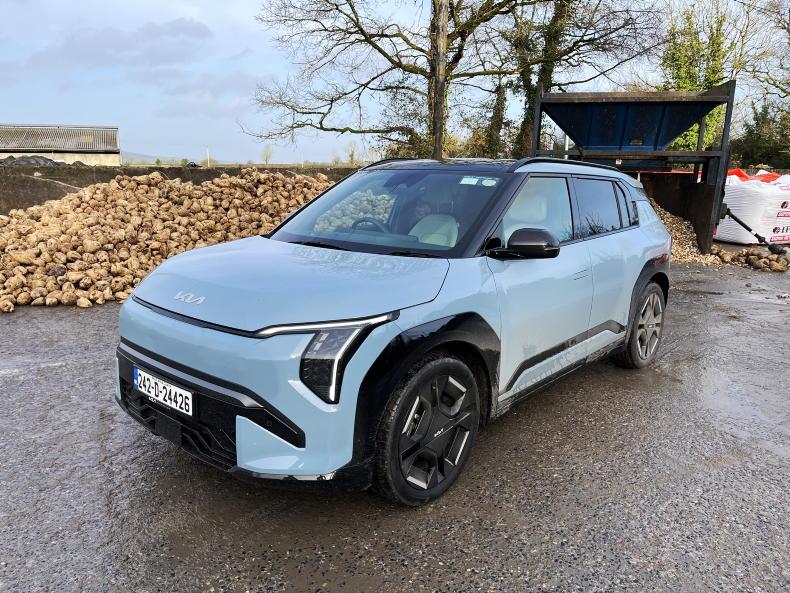
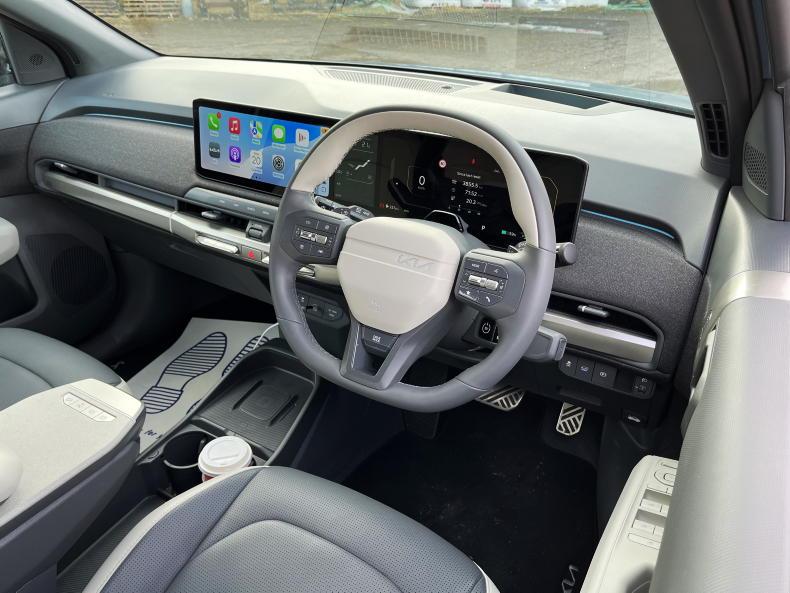
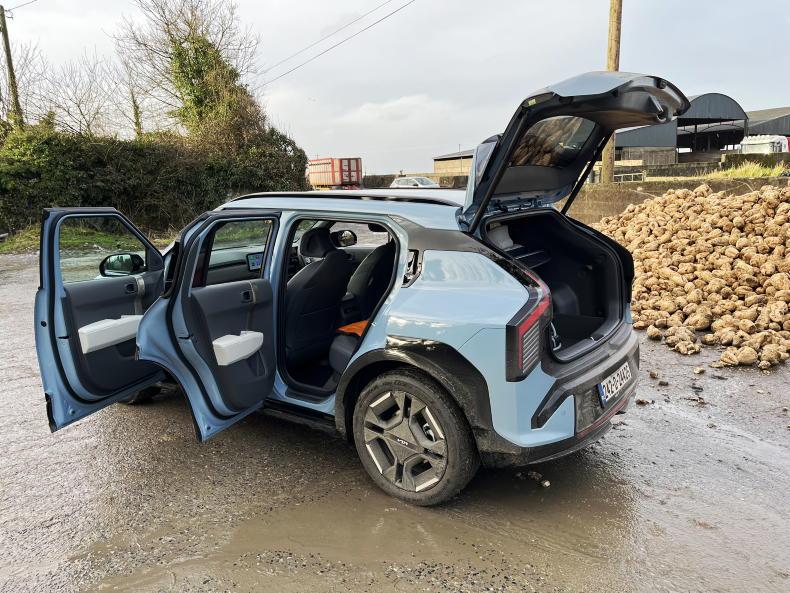
I found that the DC (fast charging) experience with the e-Vitara and the EV3 were well ahead of the Citroen, even though the Citroen official rating stated otherwise. The fact that the Citroen C3 Aircross came with a smaller battery did compromise range during my driving experience.
This new Suzuki e-Vitara All-Grip model offers something a little unique. As well as off-road ability, the Indian manufactured car brings a level of simplicity of use with a full technology pack to a battery electric car that’s easy to drive. Don’t expect great towing ability, at 750kg it is rated higher than the Citroen C3 Aircross, but lower than Kia’s EV3 1,000kg rating; none of these three are realistic towing machines. And you can’t rate the e-Vitara for its boot space, it is the smallest of the three, while the Citroen C3 Aircross excels in terms of space.
This new all-electric e-Vitara retains the original Suzuki off-road heritage in a traditionally neat and unique vehicle package.
Road conditions
Entry prices are competitive, while the All-Grip option may be worth considering, depending on your road conditions, it will cost €44,055, or £34,999 in NI. Kia’s slightly less versatile EV3 with longer range will be more expensive at €40,350, or £36,055 in NI, while the Citroen C3 Aircross is priced more attractively at €30,513, or £25,815 in NI. If this e-Vitara can live up to the models of the past in terms of reliability and ruggedness and if you include the free Ohme charger kit, used for lower cost night rate electric charging power, then it is a serious option for those drivers who battle the worst road conditions of rural Ireland.
Prices quoted are approximate.




SHARING OPTIONS