Recent years have seen some intensive farm operations install outdoor biomass boilers to cut heating bills. These include poultry, mushroom and pig producers. A number of milk producers have installed these boilers to heat the farm house plus granny flat, and to supply hot water for the parlour. Relevant issues are:
A biomass boiler is financially most attractive when a supply of competitively priced fuel is available, eg straw bales, woodchip or timber.The cost of any of these fuels can be lower than that of heating oil, gas or electricity, when measured in unit energy terms. The recent fall in the price of oil merely narrows the gap between it and biomass fuels.The cost of different biomass fuels varies widely. Among the cheapest can be straw grown on farm and woodchip derived from waste pallet, etc. Among the more expensive can be wood pellets and natural woodchip.The larger the requirement for heating, the greater the potential savings from biomass.There is an up-front capital installation cost. This is typically in the range of €30,000 to €60,000 for a commercial farm enterprise.Fitting of electronic controls means that biomass boilers have advanced significantly in efficiency and ease of use.A buffer water tank is used to store heat from the boiler and distribute it in an even flow, as required. Batch or auto feed
Fuel can be batch-fed into the boiler or it can be supplied by an auto-feed system. When batch-feeding, a large door is opened at the front of the boiler and a straw bale or blocks of wood, etc, are put in. An auto-feed arrangement will use some type of screw auger or conveyor to continuously feed in woodchip, pellets or a similar fuel.
Both methods have their advantages. Fuel for batch-feeding tends to be cheaper. For example, baled straw might sell at €80-€100/t, while good woodchip can cost €160-€180/t.
However, a batch-fed boiler needs to be manually refuelled at set intervals, be it once per day or once per week. An auto-feed system removes this job and is therefore better suited where high heat output – and therefore high fuel use – is involved. But it has higher installation and maintenance costs.
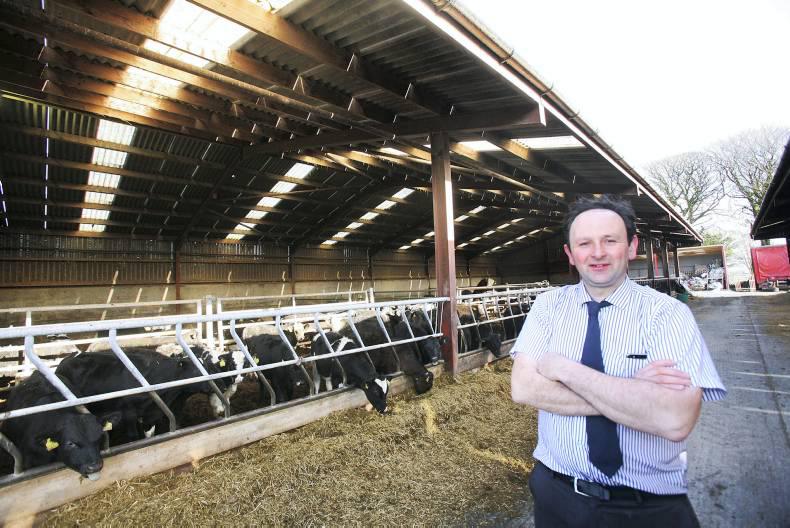
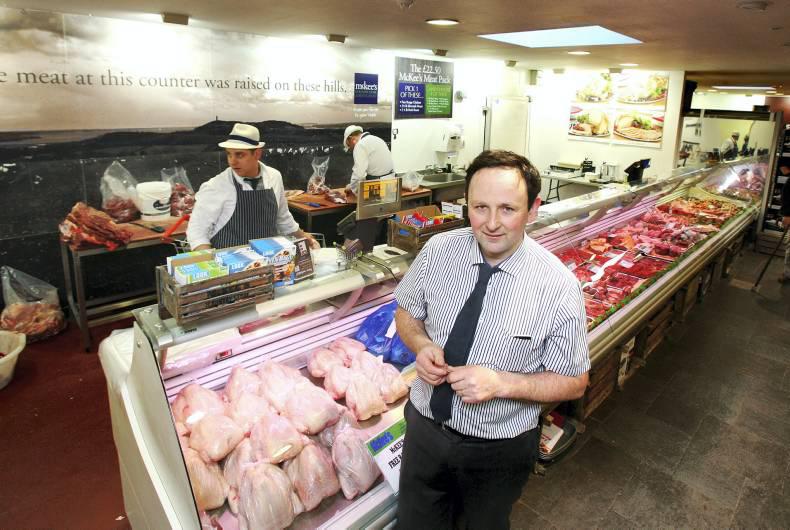
Newtownards farmer Colin McKee installed a modern biomass boiler in 2014. He was in cattle and chicken production. He then developed a number of alternative enterprises on his farm and these saw his annual heating costs rise significantly. He opened a farm shop and a farm restaurant. By that stage, his heating costs had risen to £20,000 per year for oil and a gas bill also.
Colin grows cereals on his Co Down farm and therefore had a supply of straw. In addition, the farm shop and restaurant generated a supply of cardboard boxes and packaging. He had to pay for disposal of this material. He decided to investigate if he could use a biomass boiler to burn straw and this cardboard, and reduce his heating costs. Another attraction was the RHI (Renewable Heat Incentive) Scheme operating in Northern Ireland. After consultation, Colin decided to install a Dragon D10 boiler.
It is a 99kW model, ie will generate 99kW of heat per hour. (A standard central heating oil boiler in a three-bedroom house generates 25kW per hour.)
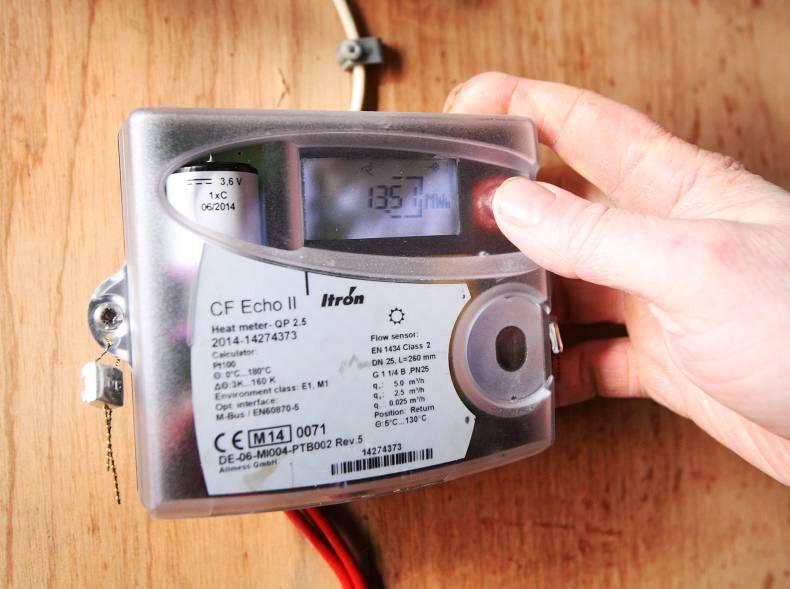
This boiler would earn him a RHI payment of 6.3p per kW of heat generated. With his projected use of the boiler, the incentive will be £20,000 per year.
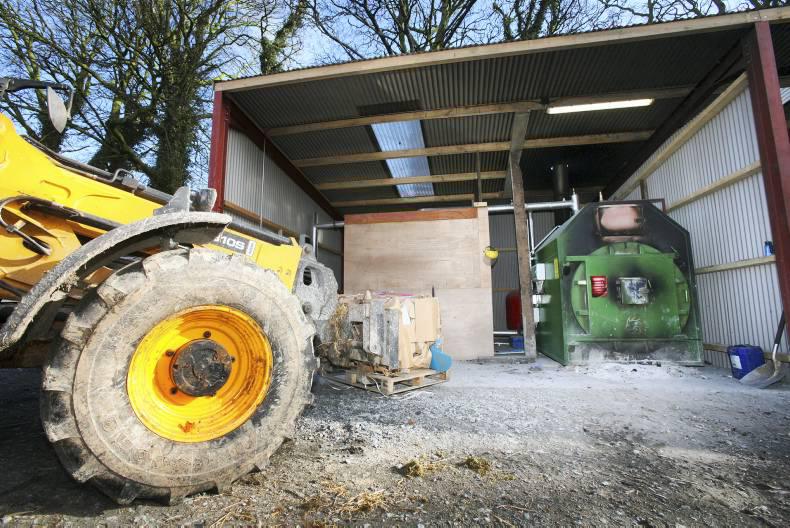
As he has straw bales and pallets of cardboard, he opted for batch-feed. He can put in one 5x4ft round bale or a big square bale or pallet of cardboard.
He installed the boiler in a new shed in the farmyard and installed a 10,000-litre buffer tank.
The system cost £50,000, including the new shed. It heats the farm house, poultry unit, farm shop and restaurant.
The new system
“I’m very pleased with the boiler system,” Colin McKee said. “It’s amazing how much heat and hot water it produces. I went for this boiler because of its versatility. It can burn straw, cardboard, big logs and other materials. I didn’t want to go for one that burned pellets or woodchip.”
In winter time he feeds the boiler up to 400kg of fuel per day. He burns a higher volume of cardboard than straw as he has it on hand. His heating cost is now about £25 per day – a significant cost reduction, well under half of what it was when using oil and gas. The restaurant, in particular, requires a lot of heating as customers are sitting down for lengthy periods and need to feel comfortable.
The boiler produces very little ash, he said.
“We clean it out every two or three days. I put the bucket of the JCB up to the door and pull back the de-asher handle two or three times – and that’s it.”
Dragon Heat Ltd is based in Castledermot, Co Kildare, and installs and services a full range of batch and auto-fed biomass Dragon boilers. These range from 25kW domestic units to the biggest commercial boilers with 800kW of output.
Recent years have seen some intensive farm operations install outdoor biomass boilers to cut heating bills. These include poultry, mushroom and pig producers. A number of milk producers have installed these boilers to heat the farm house plus granny flat, and to supply hot water for the parlour. Relevant issues are:
A biomass boiler is financially most attractive when a supply of competitively priced fuel is available, eg straw bales, woodchip or timber.The cost of any of these fuels can be lower than that of heating oil, gas or electricity, when measured in unit energy terms. The recent fall in the price of oil merely narrows the gap between it and biomass fuels.The cost of different biomass fuels varies widely. Among the cheapest can be straw grown on farm and woodchip derived from waste pallet, etc. Among the more expensive can be wood pellets and natural woodchip.The larger the requirement for heating, the greater the potential savings from biomass.There is an up-front capital installation cost. This is typically in the range of €30,000 to €60,000 for a commercial farm enterprise.Fitting of electronic controls means that biomass boilers have advanced significantly in efficiency and ease of use.A buffer water tank is used to store heat from the boiler and distribute it in an even flow, as required. Batch or auto feed
Fuel can be batch-fed into the boiler or it can be supplied by an auto-feed system. When batch-feeding, a large door is opened at the front of the boiler and a straw bale or blocks of wood, etc, are put in. An auto-feed arrangement will use some type of screw auger or conveyor to continuously feed in woodchip, pellets or a similar fuel.
Both methods have their advantages. Fuel for batch-feeding tends to be cheaper. For example, baled straw might sell at €80-€100/t, while good woodchip can cost €160-€180/t.
However, a batch-fed boiler needs to be manually refuelled at set intervals, be it once per day or once per week. An auto-feed system removes this job and is therefore better suited where high heat output – and therefore high fuel use – is involved. But it has higher installation and maintenance costs.
Newtownards farmer Colin McKee installed a modern biomass boiler in 2014. He was in cattle and chicken production. He then developed a number of alternative enterprises on his farm and these saw his annual heating costs rise significantly. He opened a farm shop and a farm restaurant. By that stage, his heating costs had risen to £20,000 per year for oil and a gas bill also.
Colin grows cereals on his Co Down farm and therefore had a supply of straw. In addition, the farm shop and restaurant generated a supply of cardboard boxes and packaging. He had to pay for disposal of this material. He decided to investigate if he could use a biomass boiler to burn straw and this cardboard, and reduce his heating costs. Another attraction was the RHI (Renewable Heat Incentive) Scheme operating in Northern Ireland. After consultation, Colin decided to install a Dragon D10 boiler.
It is a 99kW model, ie will generate 99kW of heat per hour. (A standard central heating oil boiler in a three-bedroom house generates 25kW per hour.)
This boiler would earn him a RHI payment of 6.3p per kW of heat generated. With his projected use of the boiler, the incentive will be £20,000 per year.
As he has straw bales and pallets of cardboard, he opted for batch-feed. He can put in one 5x4ft round bale or a big square bale or pallet of cardboard.
He installed the boiler in a new shed in the farmyard and installed a 10,000-litre buffer tank.
The system cost £50,000, including the new shed. It heats the farm house, poultry unit, farm shop and restaurant.
The new system
“I’m very pleased with the boiler system,” Colin McKee said. “It’s amazing how much heat and hot water it produces. I went for this boiler because of its versatility. It can burn straw, cardboard, big logs and other materials. I didn’t want to go for one that burned pellets or woodchip.”
In winter time he feeds the boiler up to 400kg of fuel per day. He burns a higher volume of cardboard than straw as he has it on hand. His heating cost is now about £25 per day – a significant cost reduction, well under half of what it was when using oil and gas. The restaurant, in particular, requires a lot of heating as customers are sitting down for lengthy periods and need to feel comfortable.
The boiler produces very little ash, he said.
“We clean it out every two or three days. I put the bucket of the JCB up to the door and pull back the de-asher handle two or three times – and that’s it.”
Dragon Heat Ltd is based in Castledermot, Co Kildare, and installs and services a full range of batch and auto-fed biomass Dragon boilers. These range from 25kW domestic units to the biggest commercial boilers with 800kW of output.





SHARING OPTIONS