


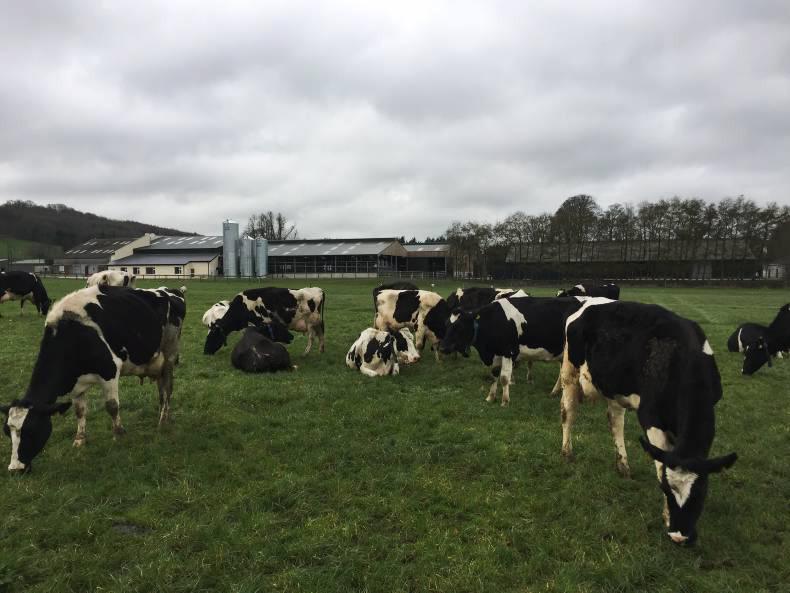
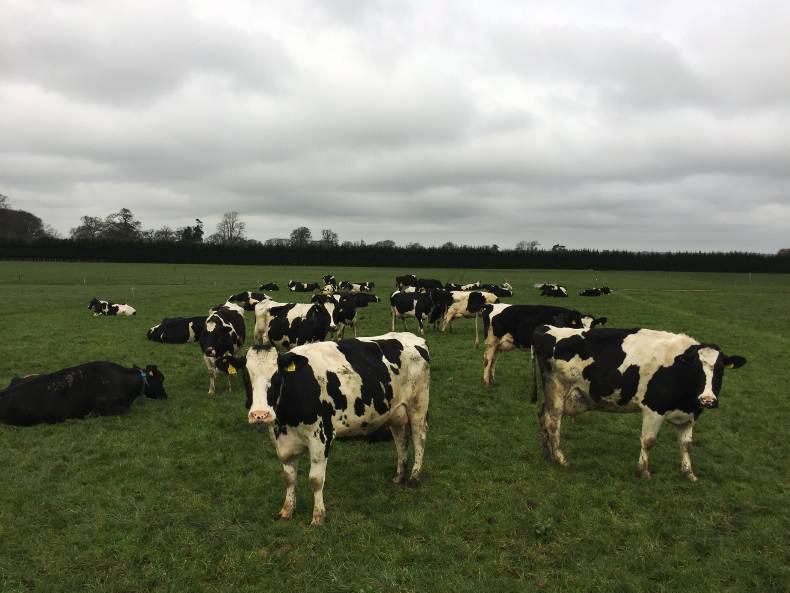
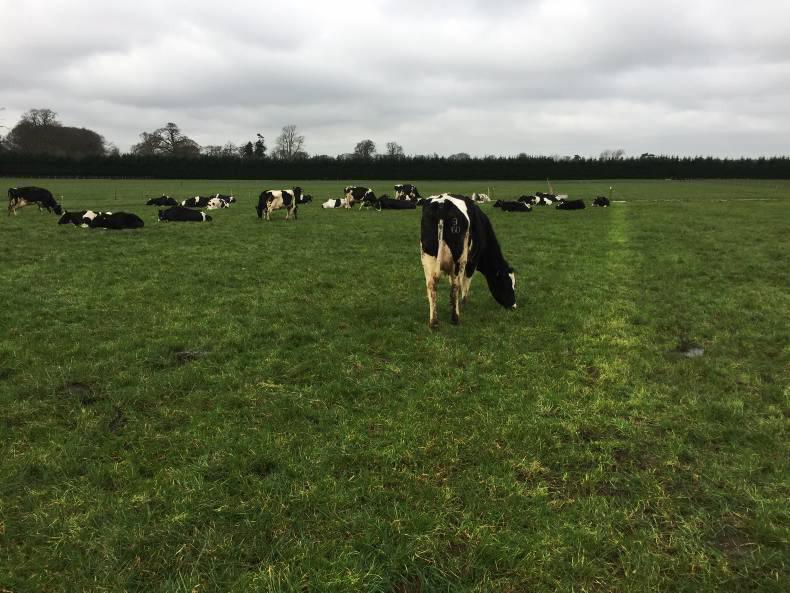
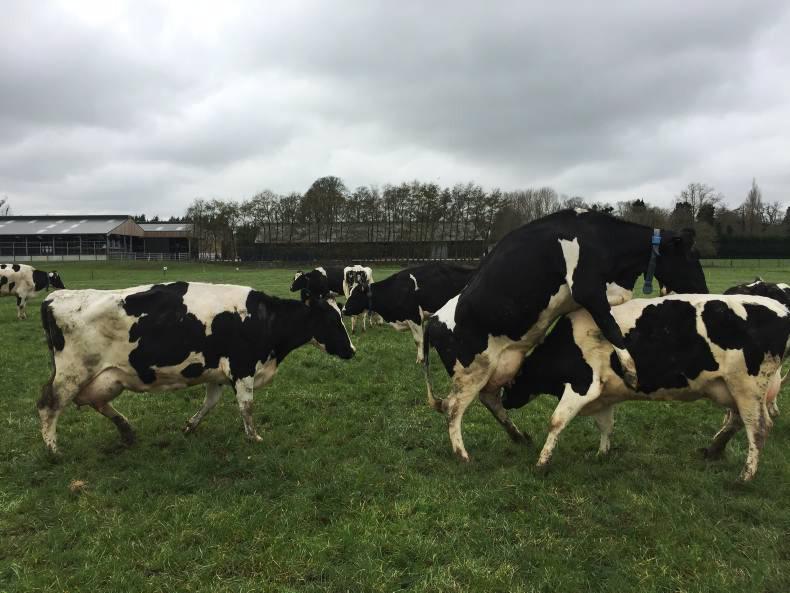
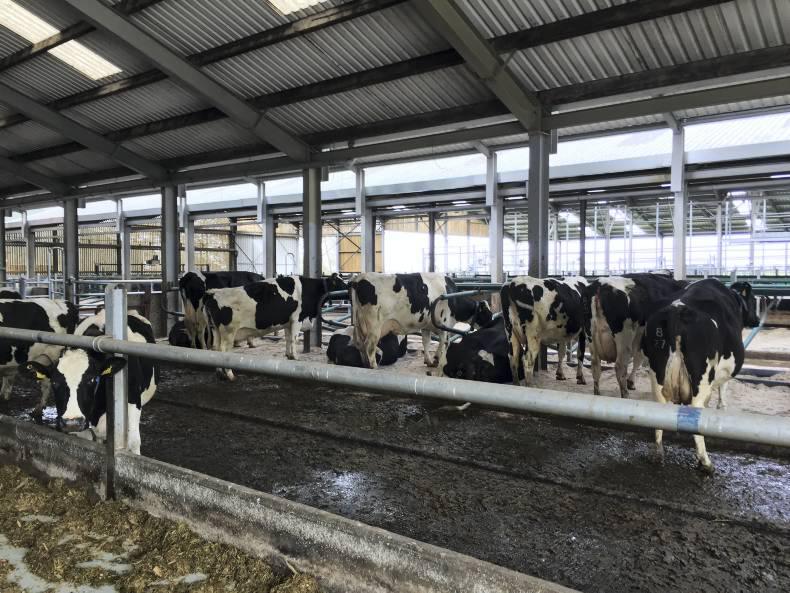
The new dairy facilities at UCD Lyons Estate were officially opened in January by the Minister for Agriculture Simon Coveney. The €2.3m investment was part-funded by private organisations Dairymaster, Devenish Nutrition, Glanbia, FBD Trust, NCBC and IHFA.
The farm is used as a practical teaching facility for the schools of agriculture and veterinary, and a research farm for post-graduate students of University College Dublin.
UCD lecturers Karina Pierce and Bridget Lynch are involved in the running of the dairy unit. “The old facilities were for 100 cows and were really outdated and badly needed to be replaced,” explained Karina when asked why private companies provided the funding.
“We needed to look to industry for funding to build the facility. We couldn’t have done it without their support,” she said.
“In return, the companies involved get the publicity and also get to showcase the facilities to potential clients from Ireland and overseas.”
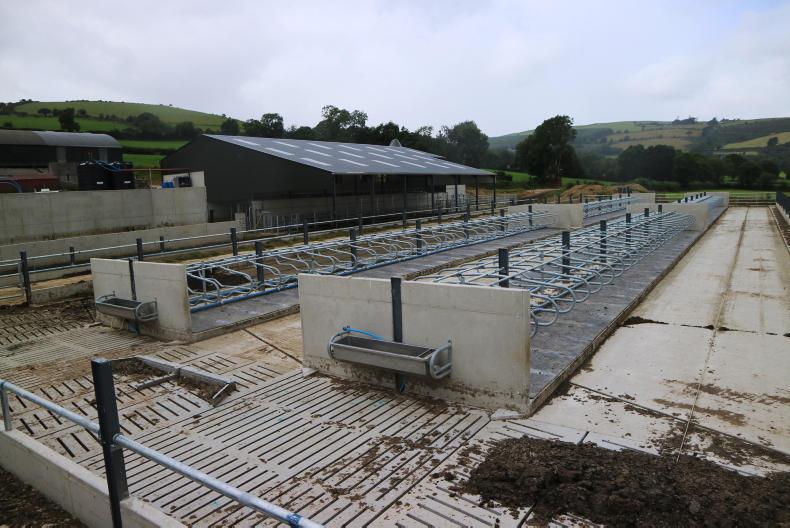
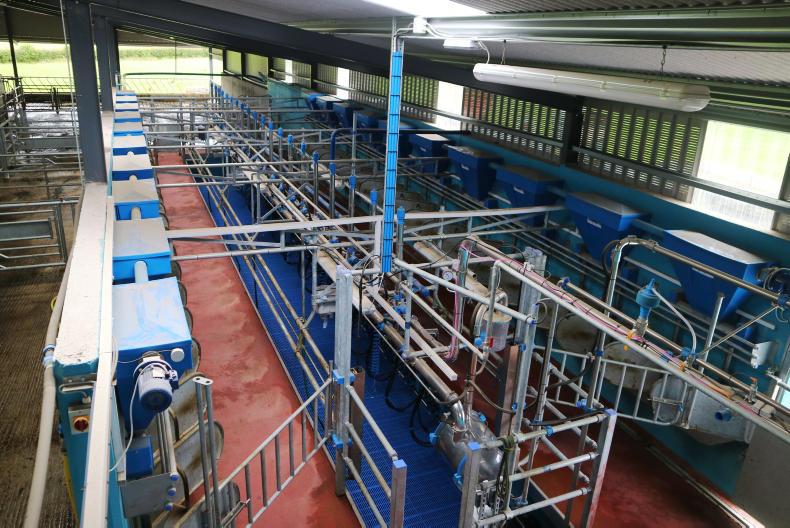
The money raised has built a state-of-the-art 40-point rotary milking parlour, cubicle shed, lecture room and also funded the purchase of over 40 high-EBI dairy cows.
Overall cow numbers have doubled to 200 and a new demonstration herd has been set up.
Demonstration herd
The demonstration herd has 60 cows and is designed to show best practice in high-input spring-calving systems.
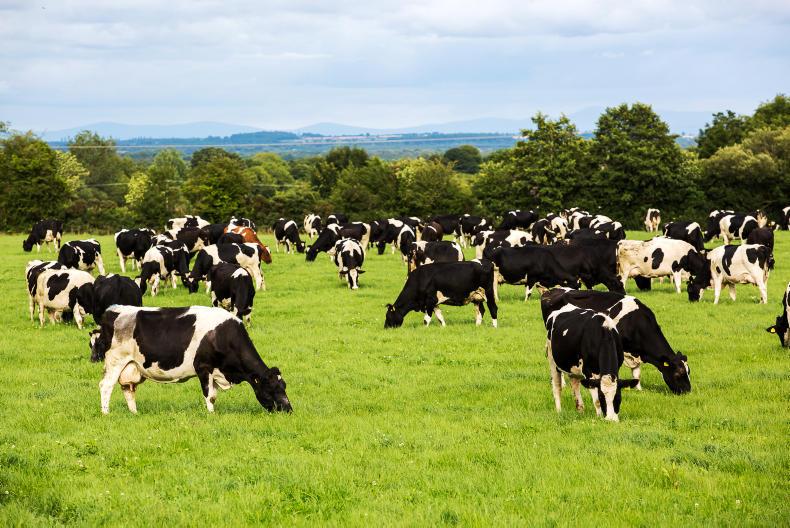
The cows have access to a 17.6ha grazing block (3.4 cows/ha), while a 9ha block is just used for silage, so the overall stocking rate is 2.25 cows/ha. Most of the silage block is cut three times each year. Young stock are contract-reared on other parts of the farm.
“Not everybody has access to more land to increase cow numbers. Many farmers have already increased the stocking rate on the milking platform to produce more milk and use outside blocks to grow silage. Extra meal and silage is fed on these farms to plug holes in the feed budget when grass is scarce,” Karina said.
The demonstration herd is designed to give guidance to those following that system, while at the same time answering some research questions on meal feeding. All the cows are Holstein Friesian and will be fed 1.5t of meal per year.
Bridget Lynch manages the grass and is expecting to grow 15t/ha on the milking platform.
“This will allow us to feed about 3t of grass dry matter per cow and about 1.5t of silage per cow per year. Soil fertility is reasonably good, with average soil index 3.3 for phosphorus and potassium and pH is good. Soils here are very deep and rich, so I don’t think summer droughts are going to be much of an issue,” Bridget said.
“We want it to be a simple system, with easy decision rules, so no diet feeders or mixer wagons. We feed meal in the parlour at a flat rate, make good-quality silage and we try to utilise as much grass as possible.”
There is always some level of meal in the demonstration herd’s diet. When I visited last week, the cows were on 8kg of meal and the plan is to keep them on this level until mid-April and then cut them back to 6kg per day after that.
From 120 days of lactation (mid-June), they can go back to 3kg of meal, but otherwise meal feeding won’t change, even if there is sufficient grass on the farm to fully feed the cows, as per the research protocol.
Breed
Forty-three cows were purchased when the demonstration herd was assembled last spring. The rest of the herd is made up of cows from the existing herd at Lyons.
Within the 60 cows, there is a difference in breeding. Half the herd has a high predicted transmitting ability (PTA) in their EBI for milk volume at 274kg, while the other half are lower at 120kg.
Overall EBI for the high-milk PTA group is €190, while the other group has a higher overall EBI of €230. The fertility sub-index is €90 for the high-milk group and €110 for the low-milk group. All the cows are grazed together and managed in the same way. The purpose of the trial is to see if cows with a higher PTA for milk are more profitable in high-input systems.
On the subject of profits, they expect to publish the full costs and profitability of the demonstration herd, similar to the Greenfield Farm in Kilkenny. Obviously, getting accurate fixed costs will be a challenge, because it’s not like an ordinary, stand-alone farm, so some of these costs, such as labour and depreciation, might have to be modelled or an average of profit monitor data used.
About 60% of the herd is between first and second lactation. Last week, they were milking 2.3kg milk solids. Volume was 31 litres at 3.95% fat and 3.43% protein.
Just over 90% of the herd has calved and 78% of the farm is grazed. Planned start of the second rotation is 8 April. Overall output is expected to be 620kg milk solids/cow/year.



SHARING OPTIONS