


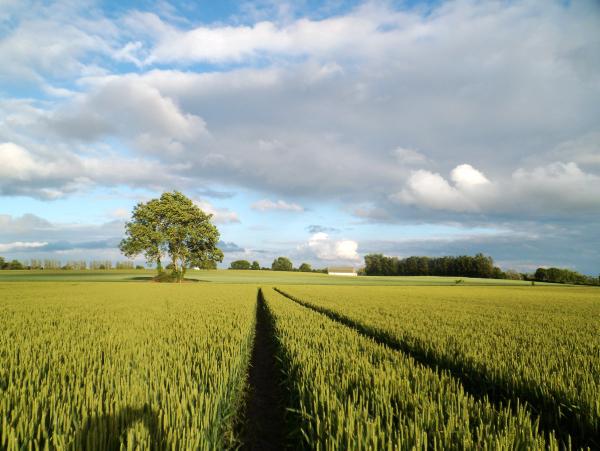
To call 2013 a dream year might seem a bit over the top to some and be mildly offensive to others. Yes, the cold and late spring certainly created severe problems for livestock farmers, but it eventually gave way to a super summer and beautiful autumn. However, October was very wet, a fact greatly masked by the low water table, after the months of dry weather that preceded it. In fact, without the high October rainfall 2013 would have been a particularly dry year, but with a total of 795mm, to date, it is very similar to both 2011 and 2010.
But 2013 will certainly go down as a year of two halves. After the mean spring, silage pits were filled to overflowing. There were piles of black bales in countless field corners and barns were stuffed with sweet-smelling hay and straw.
Tillage crops, with the odd exception, yielded very well after being sown in the dusty springtime conditions. Grain quality was superb and the harvest was a pleasant affair.
Autumn sowing plans were easily achieved and again seeds were sown into lovely seedbeds. Yes, with hindsight, and certainly from a tillage farmer’s perspective, 2013 was an ideal year.
At this point, I have to dilute my euphoria to some extent with the important matter of last harvest’s well reduced commodity prices. Cereal and bean prices were up to €60/tonne less than the previous harvest which certainly took the gloss off 2013, to some degree.
But I wish to add a note of caution with regard to grain prices. I, like most others, have complained about the lower prices in 2013. However the harvest 2012 prices were particularly high so it’s not a fair comparison and we should take a more pragmatic and positive view.
If growing cereals is not reasonably profitable for you at their current market level, then I suggest you need to examine your production costs. Forward selling has a limited, but useful, role to play. It has to make sense to sell up to a third of your expected crop if the futures reach a level that is over your cost of production.
The problem is, of course, your actual production costs (per tonne) will depend on yields which are the great unknown at the time of selling. But if you work on the basis that the top and bottom of the market are for fools, it usually works out well.
SUPERMARKETS
Whatever else we may say about cereal prices, vegetable prices sunk to a new low in the weeks running up to Christmas. With the main supermarkets selling fresh Irish vegetables for 6c/kg, they have degraded good, wholesome food and insulted both the producer and the consumer. These supermarkets are sickeningly hypocritical, with their flashy TV commercials portraying a wonderful relationship with their Irish suppliers while they continually undermine producers with savage price cuts. Equally, supermarkets making donations to charities rings very hollow as they push their own producers closer to the breadline.
We desperately need an ombudsman to regulate the activities of the supermarkets. Britain appointed a supermarkets ombudsman in early 2013. We talk about fair trade for producers in a developing world context, but we could do with a little bit more of it at home. Are we to learn nothing from the horsemeat saga which was essentially driven by supermarket greed?
On a more upbeat note, may I wish you and your families a happy new year.



SHARING OPTIONS