Learning outcomes
1.5.b. Discuss the health and safety considerations of using agricultural machinery and equipment.
4.3.2.a.3. Discuss management practices for slurry/farmyard manure.
3.3.3.a. Discuss harvesting techniques and storage methods for grass and another food crop (forage or for human consumption), and an energy or catch crop.
In last week’s Study Guide, we identified machinery that is frequently used on the farm to complete heavy manual work. This week we will be focusing on farm equipment that is used to support smaller, but often difficult, tasks.
These pieces of equipment are commonly operated by the farmer themselves, using electrical or manual energy input, without the use of an engine.
The equipment discussed in this article supports tasks from dosing to tagging, milk testing to livestock management.
Just like using farm machinery, it is important that anyone using farm equipment is aware of the safety aspects involved with operating such items, and has ensured the equipment is in full working order to avoid accident or injury.
In this article, we will identify the main types of farm equipment and their uses, which may appear on the agricultural science Leaving Certificate 2026.
General livestock management equipment
The day-to-day management of livestock requires the use of many different types of equipment. Each one has its own specific role, with some only being used a few times a year. Identifying them and understanding their use is a good way of getting to grips with many elements of herd and flock management.
Equipment for calving and lambing
During the lambing and calving season, there are many pieces of equipment that can help the farmer, not only with the birthing process, but in the weeks and months afterwards.
Equipment for crop and milk management
There are many pieces of equipment that are useful in other areas of the farm too. From milk analysis to soil testing, the equipment used can speed up the daily tasks required to ensure the farm is running as efficiently as possible.
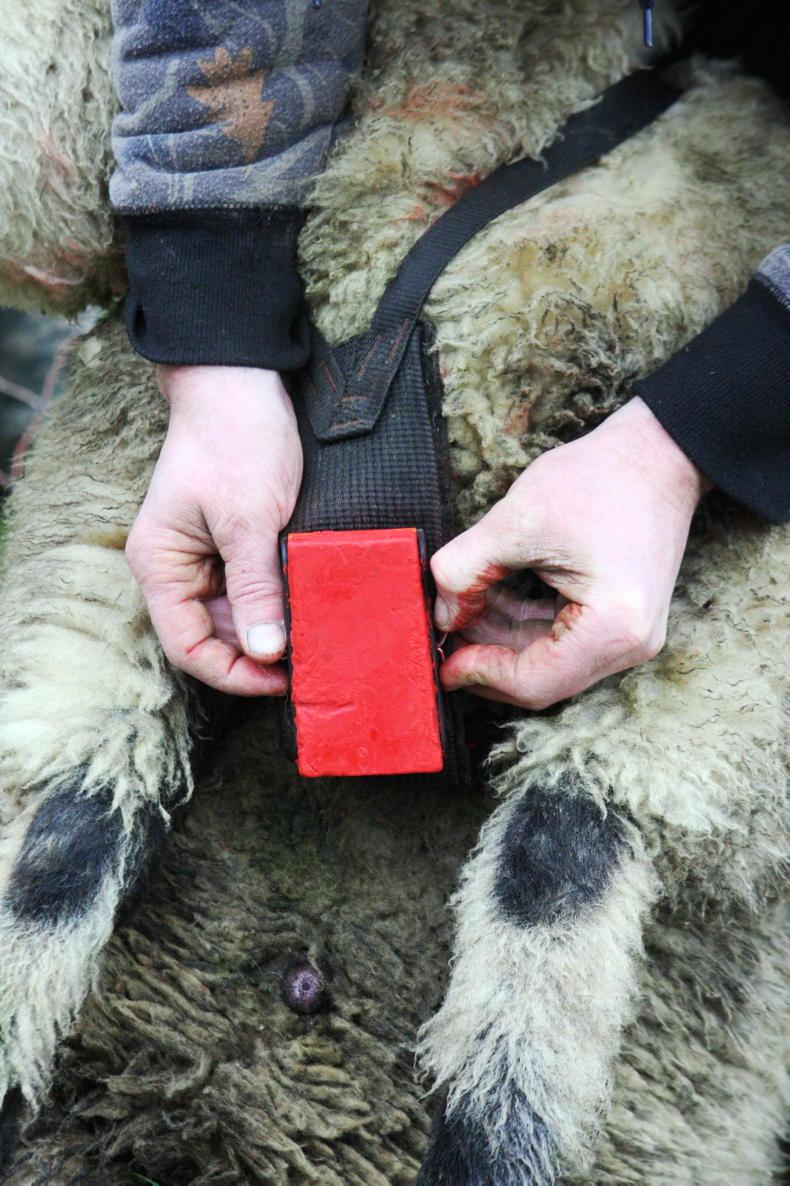
Raddle: this is put on a ram during mating season. It is used to mark which ewes have been mated. It can also help to highlight a lack of fertility in either the ram or the ewe.

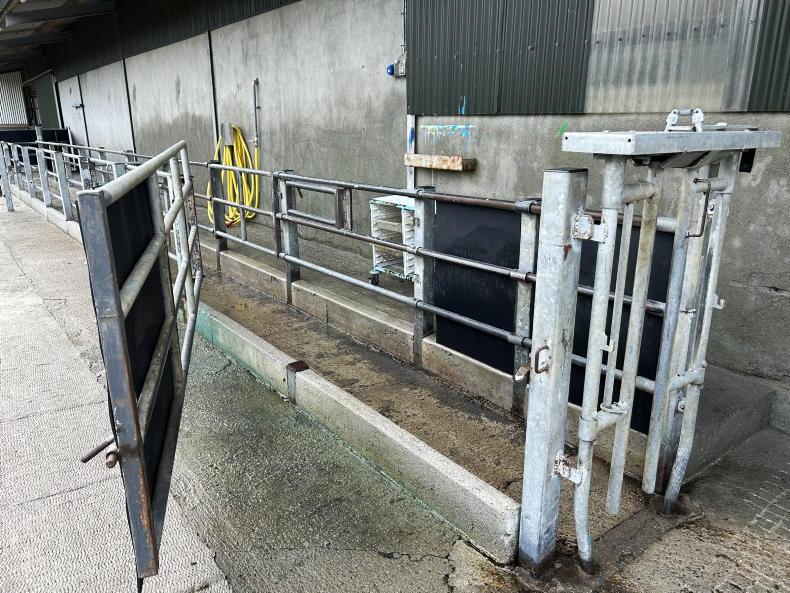
Crush with headgate: a crush with a headgate can help to control and restrain cattle when they need to be worked with up close (such as health assessments or treatments). The headgate traps the head to allow for safe handling.

Tagger: a tagger puts identifier tags in sheep and cattle ears. It is important to keep your fingers away from tagging areas when in use to avoid injury.

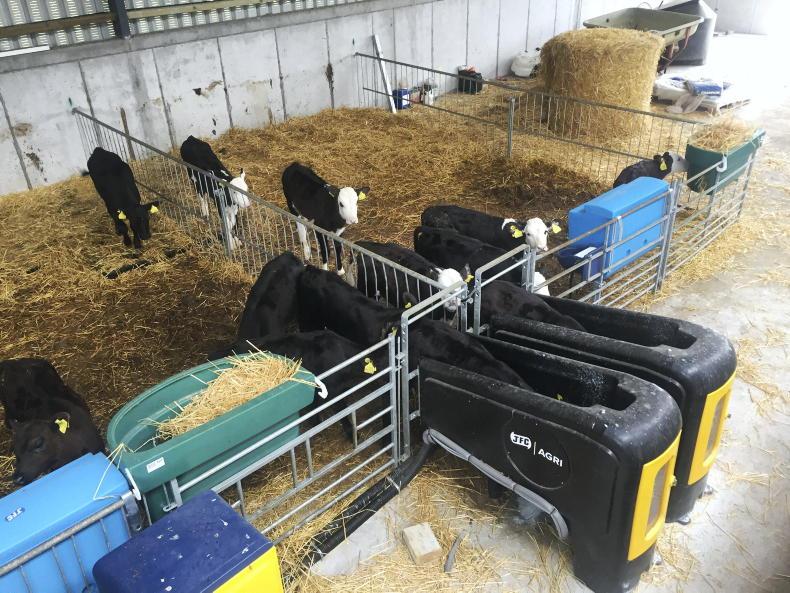
Calf feeder: a calf feeder is used to give milk to multiple calves at the same time. Calves using feeders tend to be of a similar age.

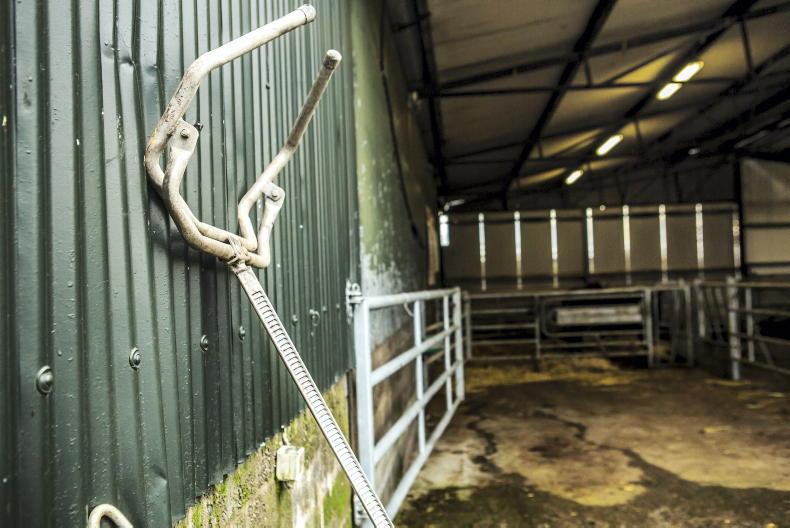
Calving jack: a calving jack is used by the farmer to pull big calves when there is difficulty during calving. It is important the farmer is using it correctly and in safe conditions, as the cow can kick out and cause injury.

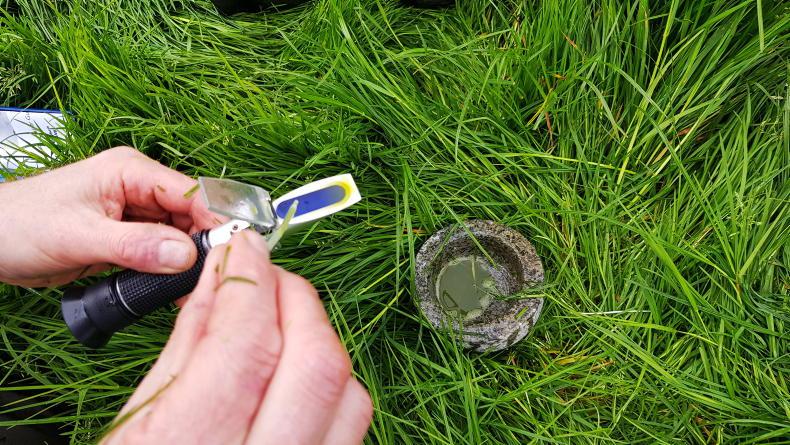
Refractometer: a refractometer measures the percentage of sugar in food items. On a farm, it can be used to measure the percentage of sugar in grass that is to be cut for silage. A refractometer can also be used to check the quality of colostrum.

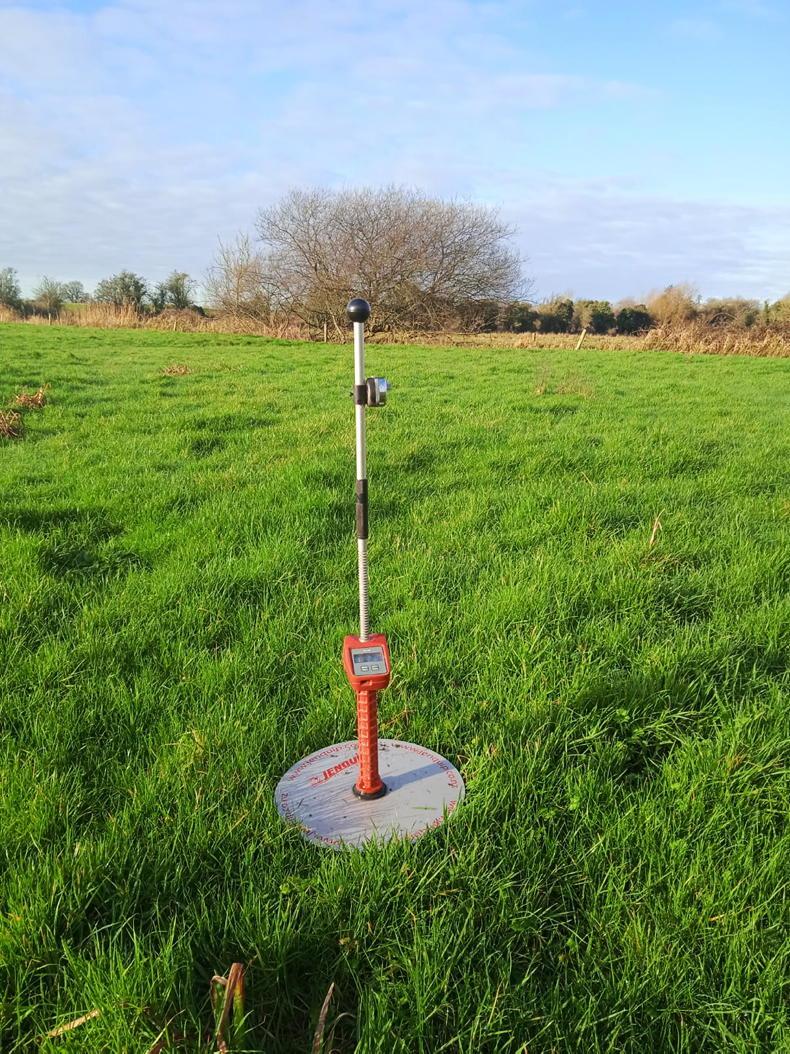
Plate meter: a plate meter is used to measure compressed grass height. This measurement can help inform farmers when making decisions on grass and grazing management.
Learning outcomes
1.5.b. Discuss the health and safety considerations of using agricultural machinery and equipment.
4.3.2.a.3. Discuss management practices for slurry/farmyard manure.
3.3.3.a. Discuss harvesting techniques and storage methods for grass and another food crop (forage or for human consumption), and an energy or catch crop.
In last week’s Study Guide, we identified machinery that is frequently used on the farm to complete heavy manual work. This week we will be focusing on farm equipment that is used to support smaller, but often difficult, tasks.
These pieces of equipment are commonly operated by the farmer themselves, using electrical or manual energy input, without the use of an engine.
The equipment discussed in this article supports tasks from dosing to tagging, milk testing to livestock management.
Just like using farm machinery, it is important that anyone using farm equipment is aware of the safety aspects involved with operating such items, and has ensured the equipment is in full working order to avoid accident or injury.
In this article, we will identify the main types of farm equipment and their uses, which may appear on the agricultural science Leaving Certificate 2026.
General livestock management equipment
The day-to-day management of livestock requires the use of many different types of equipment. Each one has its own specific role, with some only being used a few times a year. Identifying them and understanding their use is a good way of getting to grips with many elements of herd and flock management.
Equipment for calving and lambing
During the lambing and calving season, there are many pieces of equipment that can help the farmer, not only with the birthing process, but in the weeks and months afterwards.
Equipment for crop and milk management
There are many pieces of equipment that are useful in other areas of the farm too. From milk analysis to soil testing, the equipment used can speed up the daily tasks required to ensure the farm is running as efficiently as possible.
Raddle: this is put on a ram during mating season. It is used to mark which ewes have been mated. It can also help to highlight a lack of fertility in either the ram or the ewe.

Crush with headgate: a crush with a headgate can help to control and restrain cattle when they need to be worked with up close (such as health assessments or treatments). The headgate traps the head to allow for safe handling.

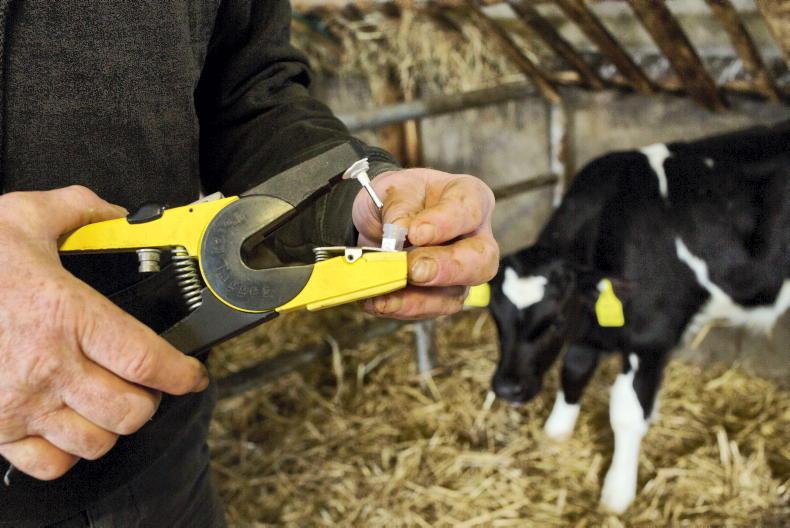
Tagger: a tagger puts identifier tags in sheep and cattle ears. It is important to keep your fingers away from tagging areas when in use to avoid injury.

Calf feeder: a calf feeder is used to give milk to multiple calves at the same time. Calves using feeders tend to be of a similar age.

Calving jack: a calving jack is used by the farmer to pull big calves when there is difficulty during calving. It is important the farmer is using it correctly and in safe conditions, as the cow can kick out and cause injury.

Refractometer: a refractometer measures the percentage of sugar in food items. On a farm, it can be used to measure the percentage of sugar in grass that is to be cut for silage. A refractometer can also be used to check the quality of colostrum.

Plate meter: a plate meter is used to measure compressed grass height. This measurement can help inform farmers when making decisions on grass and grazing management.
SHARING OPTIONS