



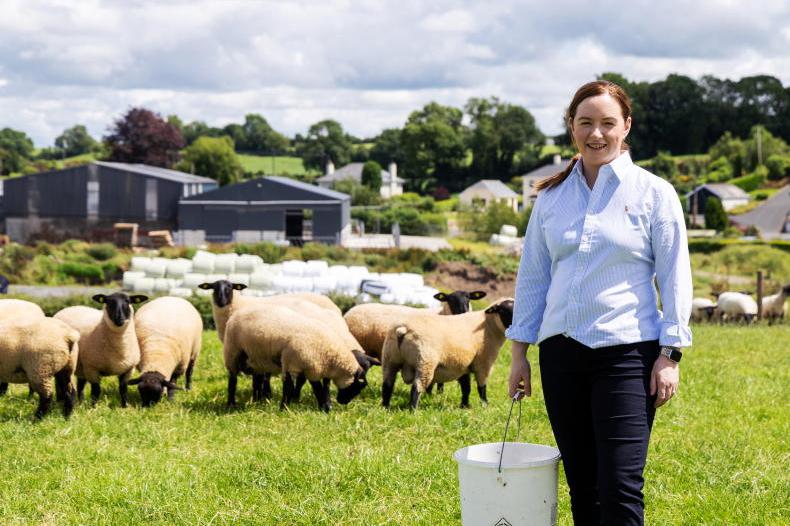
Klara McGriskin is not a person to shirk a challenge. And for the future of farming in Ireland, it doesn’t come much bigger than succession.
With the average age of an Irish farmer now 59 and one third over the age of 65, it’s an issue that the agriculture sector cannot hide from, according to Teagasc farm management specialist. Klara is quick to acknowledge that it is a “hugely emotive and sensitive” matter to resolve, but at the same time, the nettle must be grasped.
“It’s always been a big issue because every farm goes through it,” the Leitrim native observes, saying her job is to give farmers options, but the decision ultimately rests with the family. “It’s there. It has to be done. Nobody can run away from it. In some cases, it’s not an issue. In some cases, it is.”
What is abundantly clear to her is that succession is different for everyone, but it works better if it is planned for when there are choices rather than leaving it to an emergency situation where there are less and more chances of conflict.
You’re not better than them in any way, you’re just there to help them and make a difference so that their lives can be a little bit better
She advises farmers firstly to make a will and secondly, start a chat; even though some hard questions on change may have to be asked and answered.
“There are two things that are certain in life: you’re going to die, and there’s going to be a lot of change,” she says matter-of-factly. “But people can’t handle change, and they really can’t in an agricultural perspective, and that’s just one thing that people have to understand.”
On the dairy side, there is “big labour shortage” currently because “the future generation of farmers do not want to farm the way that our predecessors did. They want a better work-life balance, and in some cases that doesn’t go down well at home.”
As a result, they are not taking on the farms as young as they probably should.
Klara, who grew up on a suckler and sheep farm in Manorhamilton, finds many people will speak more readily with a professional than their own family on this issue. Her role covers succession, inheritance, finance, consolidation and business planning from a farm management perspective.
“If people come to us for succession help, we help them, but we take our taxation and legal hat off, and we look at the business side. They find that the accountants and solicitors don’t really understand the farm, whereas we are farmers. We’re all trained in ag. We understand farming.”
Emotional side
Contrary to what people might think, the taxation and legal side is only 20% of her discussion with a farmer. The main 80% is about the emotional side of the process and the adjustment to change.
“For the person leaving, that person has always been a farmer. That’s their identity,” she stresses, something that underlines to her how important it is that every farmer makes time for an interest outside of agriculture.
“They don’t have to leave the farm 100%. You can still farm away, just in a different way, but they also need something else to go to [an interest]. They’re not just going to sit at home at the kitchen table all day.”
Having studied agricultural science in UCD, Klara initially thought the environmental route was the career path for her. She worked as a Green, Low-Carbon, Agri-Environment Scheme (GLAS) planner with FRS before spending over two years in Gurteen Agricultural College running its part-time and distance courses. One element of this work was business planning. This involved a major focus on succession which she discovered she liked from a business and heritage perspective.
She later spent several years as an assistant agricultural inspector in the climate change and renewable energy policy division of the Department of Agriculture.
Her husband Padraig Callanan is a dairy farmer in Abbeyleix, Co Laois, and Klara breeds pedigree New Zealand Suffolks, which are currently one of the top flocks in the country. “That is my love,” she says, smiling.
She later moved to Teagasc for several years as a drystock adviser, which she absolutely loved. But it wasn’t without its challenges, initially.
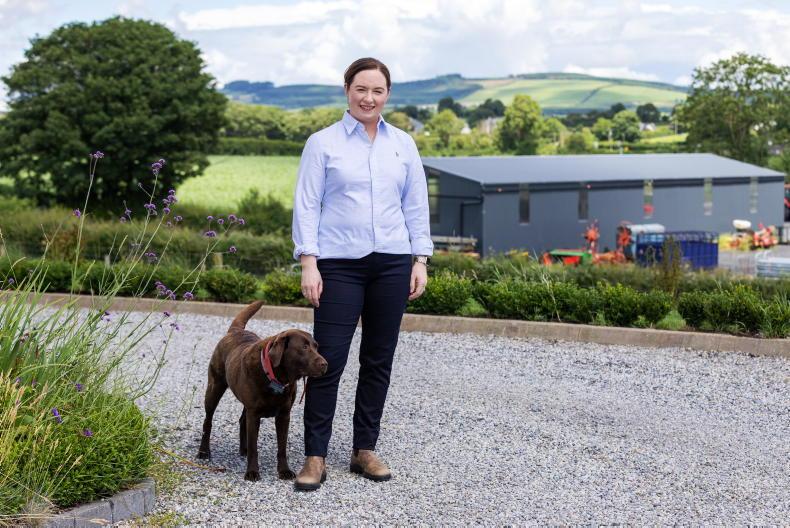
Klara recalls being told at her first discussion group that there was no point being there. “A girl, a woman, was not going to come in here and tell me how to farm – and that was in a group of about 20-plus men.”
However, she took a different tack by asking each of them how long they had been farming. When it was added up, it was close to 700 years of agricultural experience in the room.
“I said, ‘I’ve been farming since I was, say, knee-high. So, I said, “I have maybe 25 years of farming experience, so you all know a lot more than me. So, you all need to tell me. I need to learn from you. Well, their perspective just changed completely.” She now considers many of her clients from those days friends.
However, it did convince Klara that as a woman in agriculture, you need to stand up for yourself to earn respect.
“You’re not better than them in any way, you’re just there to help them and make a difference so that their lives can be a little bit better.
Klara also spent time as a Teagasc education officer through Covid in Thurles. Having extensive experience on the advisory and education side, it set her up well for her current job, where one of her primary functions is to train advisers so they can give information to their clients, including how to broach a sensitive topic like succession.
Challenges
One of the big challenges she identifies is that succession is not happening early enough. Farmers are often worried about legacy but still reluctant to take action.
“Farming men are just holding on to it because they didn’t get it till they were 60. Then my son isn’t going to get it till they’re 60. Like give it over. Just because you hand over the legal title doesn’t mean that you cannot farm.
“You can still farm, but farm maybe together. You step back a little bit and let the son or the daughter, whoever, come in a bit more,” she suggests.
We need women to step up a bit more to be recognised, but they need the confidence to do that. And I don’t think they’re going to get the confidence unless people start seeing them as potential
While 2026 is the UN International Year of the Woman Farmer, another concern is a continuing reluctance to leave a farm to a daughter because of the family name.
“I’ve seen cases where, firstly, because they’re a woman, they’re not getting it [the land]. And even if the son says, ‘Daddy, give it to the daughter. I don’t want anything to do with it,’ still, the son gets it because of the name.”
She has a simple remedy for this – name the farm. Happily, she has seen recent cases where the farmer has seen what’s best is to hand the farm over to a daughter who is interested.
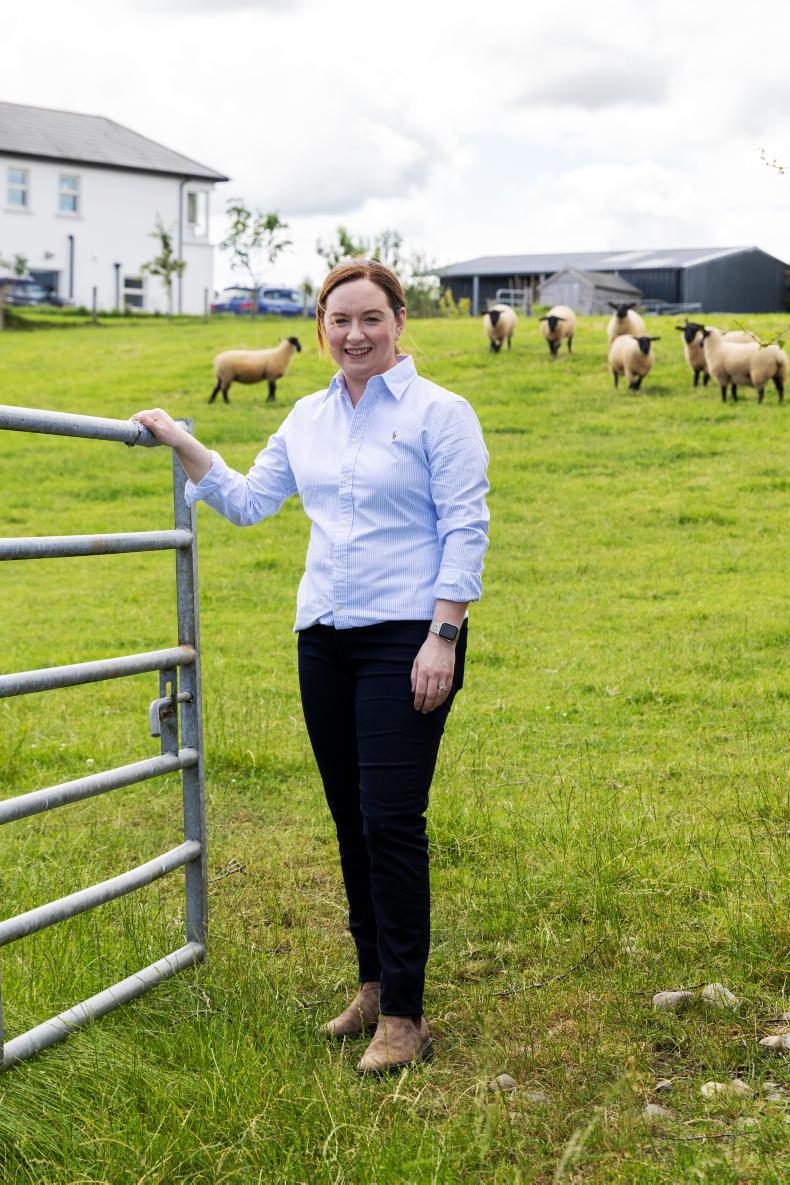
However, Klara believes a culture change is needed to look at the farmer, not the gender, and to stop worrying so much about what the neighbours think, which is very much part of the Irish psyche.
“We need women to step up a bit more to be recognised, but they need the confidence to do that. And I don’t think they’re going to get the confidence unless people start seeing them as potential,” she says.
A growing sense of entitlement is also something that is cropping up more and more in succession given how valuable the land asset is from non-farming siblings, but it also comes from parents stepping away too. Being open to all of the succession options and making provisions can help here.
Positive succession
Asked what she considers a positive succession plan, Klara derives satisfaction from knowing that she helped a farm enterprise to “make the best decision for them as a family, firstly, and then secondly, as their farming business. We are seeing farmer numbers declining in Ireland, and the average age is nearly 60, and we like to know that the farm is secure for at least another 20-30 years.”
Where a “daughter wasn’t going to receive it and now the father’s changed their mind” also pleases her as a woman in agriculture and as a mother of two children (a daughter Charlotte and son Hugo) because succession should be ultimately about what’s best for the family and the farm.


SHARING OPTIONS