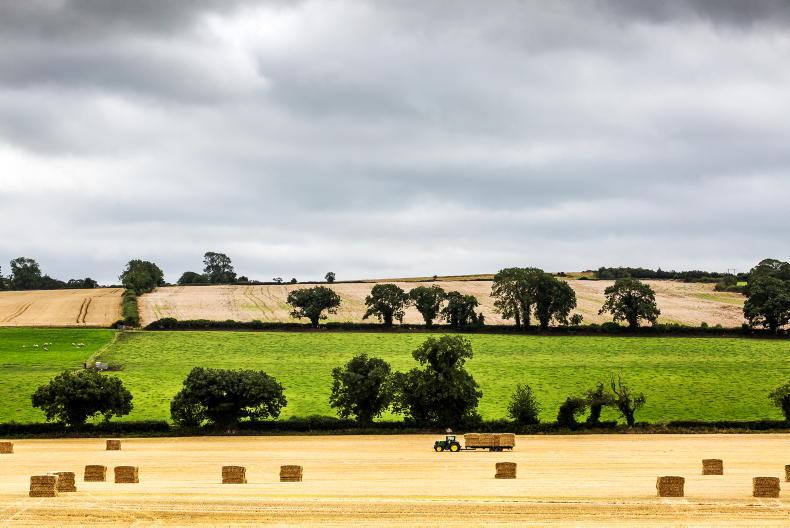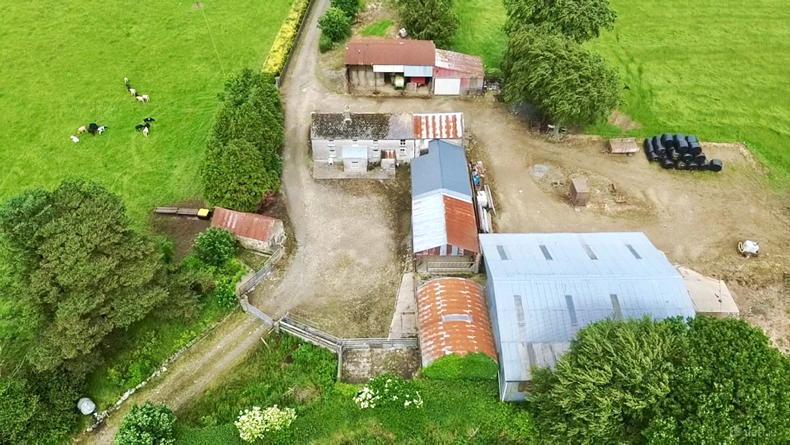
At a time when authentic Irish country estates of manageable scale are becoming increasingly difficult to source, Rath House, Rathronshin, Ballybrittas, Co Laois presents a rare opportunity.
For sale by private treaty with Jordan Auctioneers, the holding is a combination of historical significance and architectural distinction, wrapped in a manageable estate that offers both practicality and potential.
Set on 52ac, the land is mainly good-quality arable acreage, which is currently leased and actively farmed. In addition to this, there is a small portion of grassland suitable for agricultural, equestrian or amenity purposes. The scale of the holding makes it well-suited to lifestyle farming.
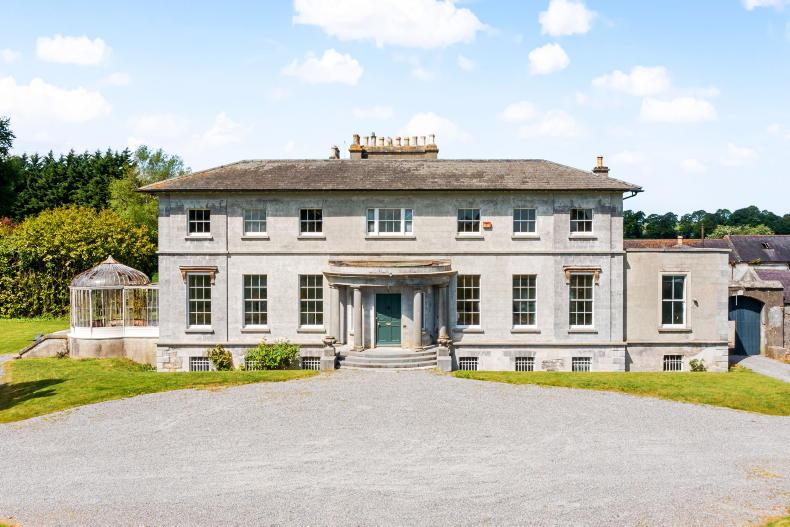
Dating back to the 19th century, the 882 sq m seven-bay two-storey over basement house is the highlight of the estate. Featuring seven bedrooms, a library, dining room, kitchen and utility, it is a substantial country house.

Aerial view of the estate.
History enthusiasts will be interested to know that during the 1800s, Rath House was home to Edmund Dease, a member of Parliament and a prominent figure in the Home Rule movement.
During his residence, the house served as a centre for social and political life, with many distinguished members of Irish society passing through its doors. Of equal significance is the architectural history of the house.
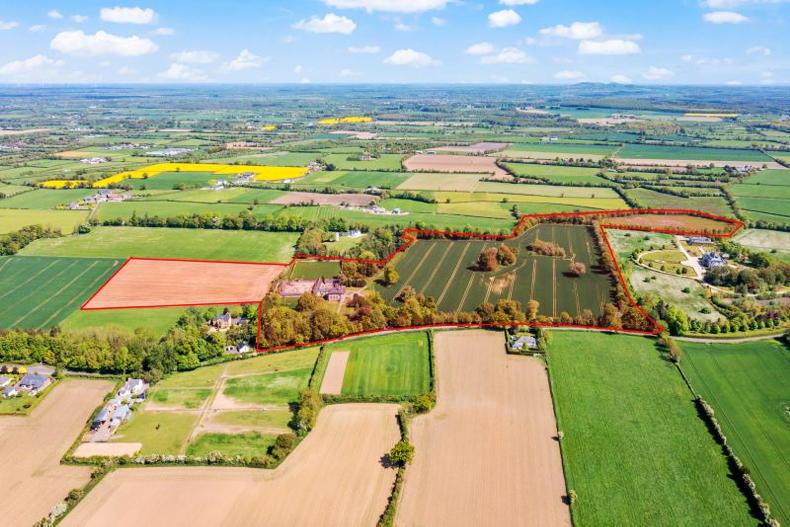
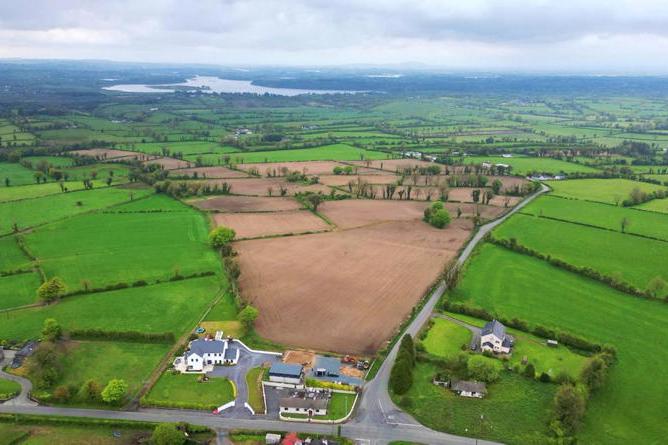
The holding sits on 52ac of predominantly arable land.
The domed conservatory, added during a mid-19th century redevelopment, is attributed to renowned glasshouse designer Richard Turner. Also built during this period was the charming private chapel, which is well-preserved and unchanged.
Rath House has been carefully maintained by the current owners, while retaining the original character. Intricate plasterwork, ornate cornicing, marble fireplaces, original joinery and large sash windows all remain intact.
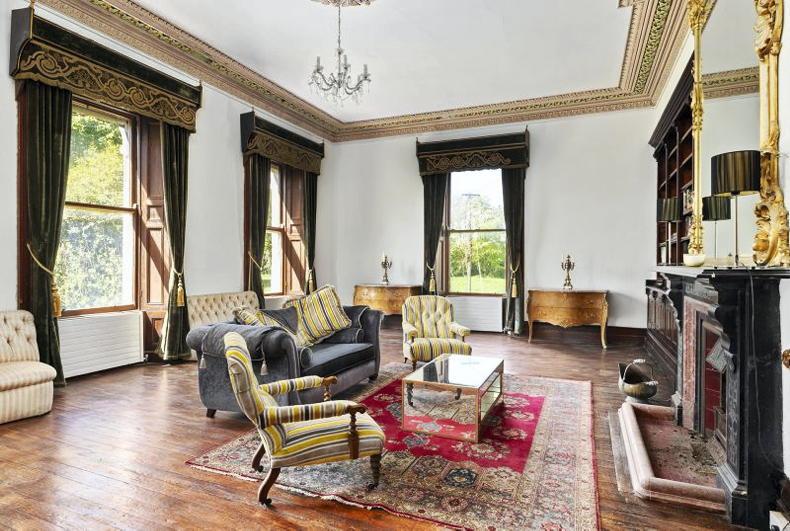
The interior of the house retains many original features.
The house has benefitted from significant structural work including rewiring, replumbing and reroofing, ensuring that much of the essential fabric has been upgraded to modern standards.
While the main house has been well-kept throughout, the basement level with cellar and attached derelict wing offer restoration potential.

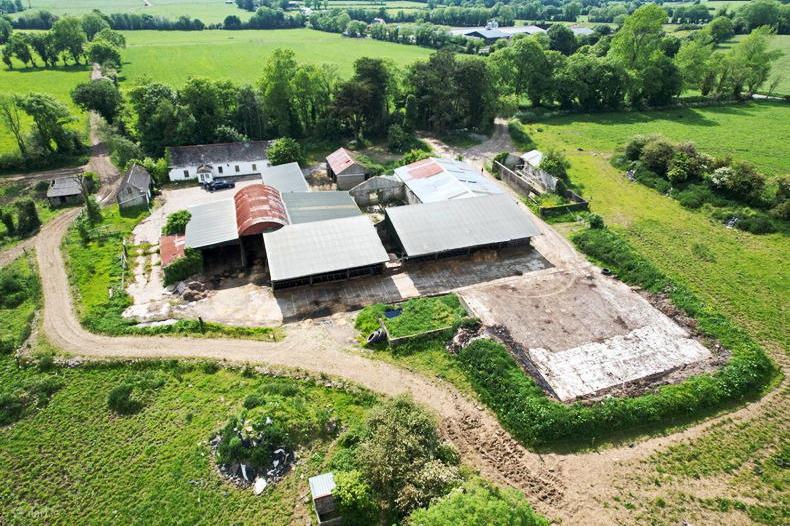
The courtyard buildings offer potential for redevelopment.
Also providing scope for future development are multiple stone outbuildings which enclose the two courtyards adjoining the main house. The gardens feature many of the characteristics associated with country estates, including mature trees, a traditional ha-ha (recessed landscape boundary), a pond and a walled garden.

An 18-century private chapel sits on-site.
Accessibility is a key advantage for potential purchasers. With the estate positioned close to the M7 motorway, Dublin city centre and airport are an easy commute.
Guided at €1.7m, Rath House is an appealing prospect for lifestyle farmers and those seeking to establish or expand a tourism venture.
At a time when authentic Irish country estates of manageable scale are becoming increasingly difficult to source, Rath House, Rathronshin, Ballybrittas, Co Laois presents a rare opportunity.
For sale by private treaty with Jordan Auctioneers, the holding is a combination of historical significance and architectural distinction, wrapped in a manageable estate that offers both practicality and potential.
Set on 52ac, the land is mainly good-quality arable acreage, which is currently leased and actively farmed. In addition to this, there is a small portion of grassland suitable for agricultural, equestrian or amenity purposes. The scale of the holding makes it well-suited to lifestyle farming.
Dating back to the 19th century, the 882 sq m seven-bay two-storey over basement house is the highlight of the estate. Featuring seven bedrooms, a library, dining room, kitchen and utility, it is a substantial country house.

Aerial view of the estate.
History enthusiasts will be interested to know that during the 1800s, Rath House was home to Edmund Dease, a member of Parliament and a prominent figure in the Home Rule movement.
During his residence, the house served as a centre for social and political life, with many distinguished members of Irish society passing through its doors. Of equal significance is the architectural history of the house.

The holding sits on 52ac of predominantly arable land.
The domed conservatory, added during a mid-19th century redevelopment, is attributed to renowned glasshouse designer Richard Turner. Also built during this period was the charming private chapel, which is well-preserved and unchanged.
Rath House has been carefully maintained by the current owners, while retaining the original character. Intricate plasterwork, ornate cornicing, marble fireplaces, original joinery and large sash windows all remain intact.

The interior of the house retains many original features.
The house has benefitted from significant structural work including rewiring, replumbing and reroofing, ensuring that much of the essential fabric has been upgraded to modern standards.
While the main house has been well-kept throughout, the basement level with cellar and attached derelict wing offer restoration potential.

The courtyard buildings offer potential for redevelopment.
Also providing scope for future development are multiple stone outbuildings which enclose the two courtyards adjoining the main house. The gardens feature many of the characteristics associated with country estates, including mature trees, a traditional ha-ha (recessed landscape boundary), a pond and a walled garden.

An 18-century private chapel sits on-site.
Accessibility is a key advantage for potential purchasers. With the estate positioned close to the M7 motorway, Dublin city centre and airport are an easy commute.
Guided at €1.7m, Rath House is an appealing prospect for lifestyle farmers and those seeking to establish or expand a tourism venture.
SHARING OPTIONS