



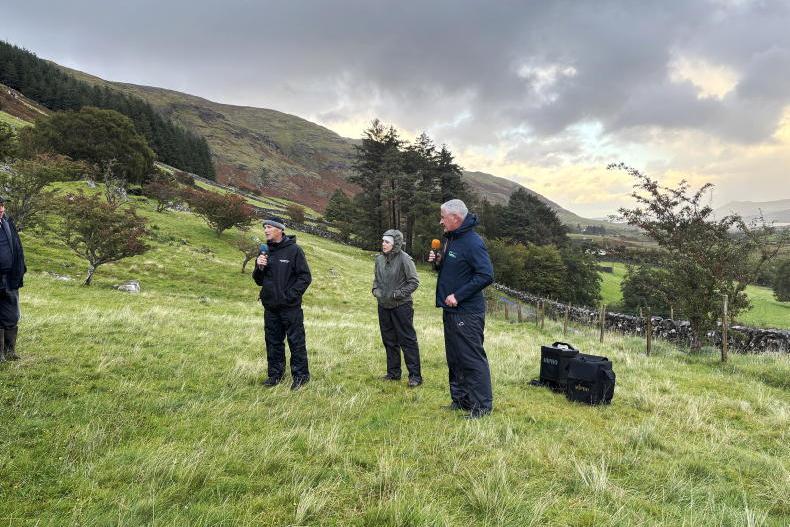
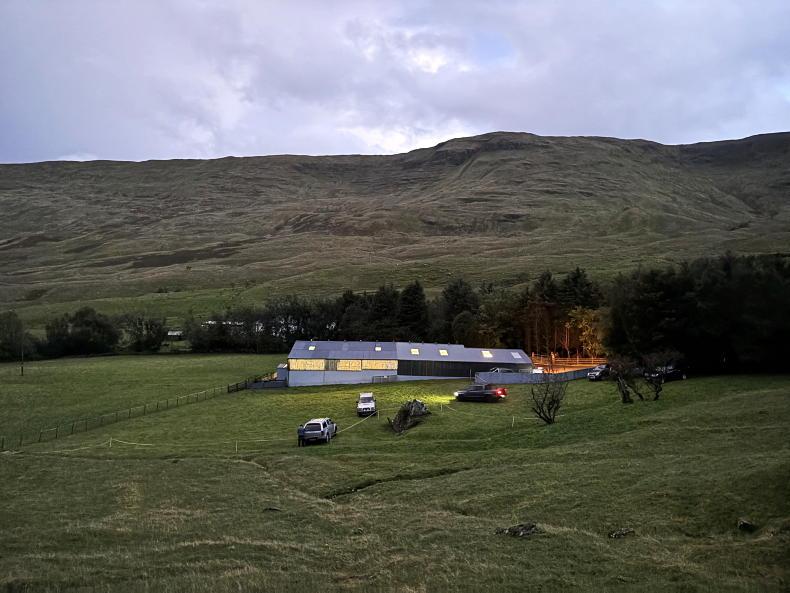
Martin Joe Kerrigan hasn’t reinvented the wheel, but simply doing the small things right and attention to detail has played dividends when it comes to litter size and lamb performance on his organic hill farm in Clonbur, Co Galway.
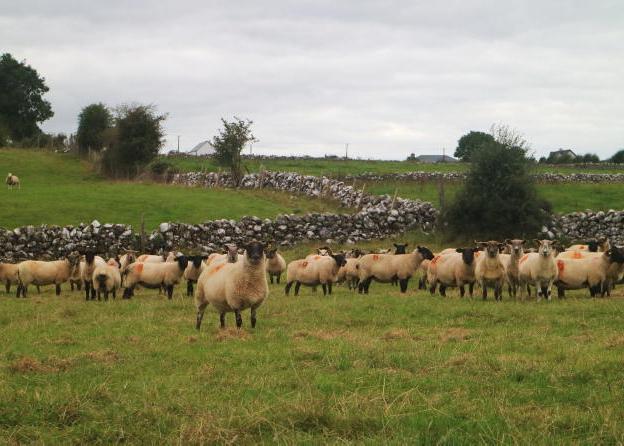
The farm is operating a 200-ewe Connemara-Mayo Blackface-type flock on 143ha of privately owned land which is made up of a small area of improved lowland ground (10ha) combined with good-quality mineral type hill.
Martin Joe is now in his third year of organics, with his two-year conversion period now over.
Ewes are outwintered on the hill before being brought in for lambing indoors, with organic supplement fed pre-lambing. It’s a simple system that has tied in well with the organic system put in place, with only minor adjustments made compared to how the farm was run conventionally.
Ewes are bred solely to Connemara-Mayo Blackface sires, with all data on lambing being recorded via Sheep Ireland at lambing and weaning.
The flock is closed, with only stock rams being purchased in, with Martin Joe retaining his own replacements as well as producing replacements for sale.
Approximately 45 ewe lambs are retained annually, with 30 or so going to special sales.
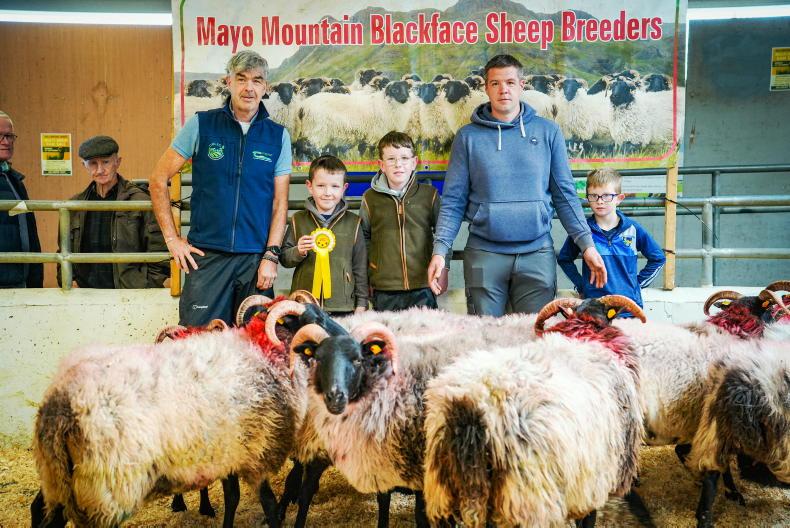
The next date in the diary for Martin Joe is the Mayo Blackface sale in Ballinrobe Mart on 27 September with 1,000 ewe lambs, 800 hoggets and 300 ewes present.
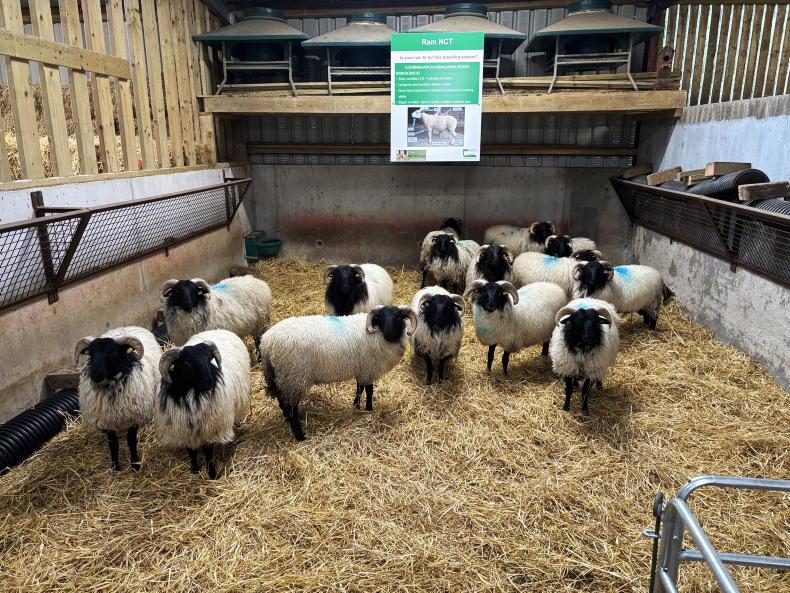
The Kerrigans have supported the sale since the start and has been a leader in selling high-quality blackface ewe lambs. More ewe lambs will be sold at Maam Cross Mart’s special Blackface sale on 4 October.
As well as sales of surplus ewe lambs, Martin Joe also produces breeding rams for sale.
Ram lambs were usually sold on the following year as hoggets, though with the demand witnessed last year, all ram lambs were sold.
A select group of Sheep Improvement Scheme (SIS) ram lambs that have been picked both via the data collected and physical traits have been retained for sale.
Scanning rates for 2025 were 1.28, with a 90% in-lamb rate, which is exactly what a hill flock should be aiming for, according to Frank Campion of Teagasc Athenry.
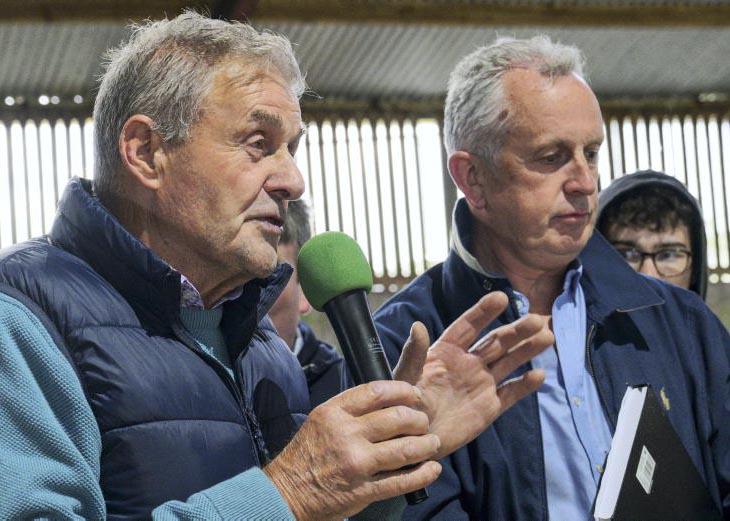
“Any higher than this and we are seeing too many ewes being unable to be returned to the hill and having to be held on lower ground,” he explained. Single-bearing ewes are returned to the hill straight after lambing, while ewes rearing twin lambs are held on the improved lower ground until late June.
Weaning rates show 1.04 lambs weaned per ewe joined, with impressive weights also recorded.
Just 3% of lambs recorded a weaning rate below 20kg, while 10% of lambs were weighed at over 30kg.
Thirty-three per cent of lambs weighed between 20-25kg, while 54% weighed between 25-30kg overall, giving an even batch of lambs for sale or retaining.
Birth weights were recorded at 3.1kg for twin-born lambs and 3.9kg for singles. Weaning weights translated to an average daily gain of 0.18kg and 0.19kg respectively from birth to weaning, with little difference between twins and singles due to the preferential treatment show to the twin-born lambs.
Campion also highlighted how it was a critical time for ewe management in the run up to breeding.
“When we are assessing hill flocks on body condition score (BCS), we are generally talking about half a condition score less than the target for lowland flocks.
“At breeding, we are looking for hill ewes to have a BCS of 3+ at mating.
“It’s important that eight weeks or so before joining that ewes are assessed and any deficits in BCS are addressed, as it will take this eight-week period for ewes to put on one condition score.”
Martin Joe recorded an average BCS of 2.9 for the 2024/2025 season, though as Campion pointed out, averages can hide poor performers.
This is not the case with Martin Joe, with just 6%, or roughly 12 ewes out of the 200, at a BCS of below 2.5.
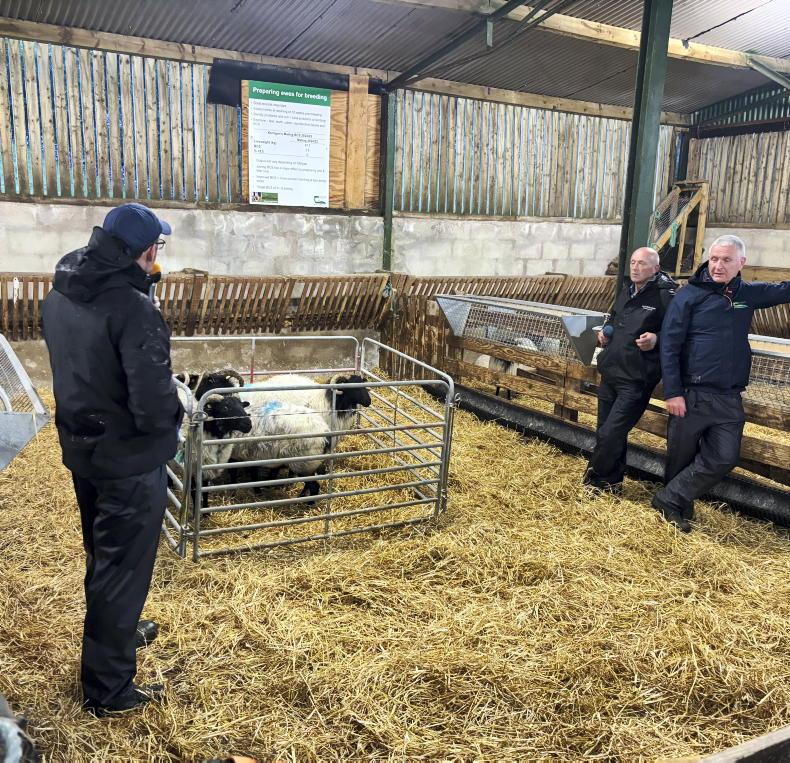
Rams should also be assessed in this time frame, with Michael Gottstein, head of KT in sheep, highlighting that the production of semen takes place six to eight weeks before mating, meaning any illness or high temperature could cause issue with semen production.
Physical health, including teeth, feet, reproductive organs and BCS should also be assessed.
Martin Joe is just one of the many farmers in his area that have converted to organics, with his farming system changing very little in this conversion.
The improved lowland land generally receives 1 bag/acre of granulated lime annually, as the terrain makes it difficult to spread ground lime.
This, Martin Joe says, has allowed the volume of grass grown on this ground to be sustained with no chemical fertiliser used. Dosing for worms is done based off faecal egg counts and extended withdrawal periods.
Derogations are in place for purchasing up to 20% of your ewe flock in as conventional, owing to low numbers of organic replacements being available, while a derogation can also be sought for purchasing a ram.
“It’s very simple,” stated Martin Joe. “It’s only the matter of a phone call to whatever [organic] body you are with, and you should have your derogation the next day.”



SHARING OPTIONS