Ornua has no choice but to deal with competition in the market for butter, as it has no control over what other entities do, according to Ornua CEO Conor Galvin.
“From an Ornua point of view and from a Kerrygold point of view, we’ll face anyone in the market and the numbers will speak for themselves in terms of how the [Kerrygold] brand is growing and what the plans we have for the future are,” he says.
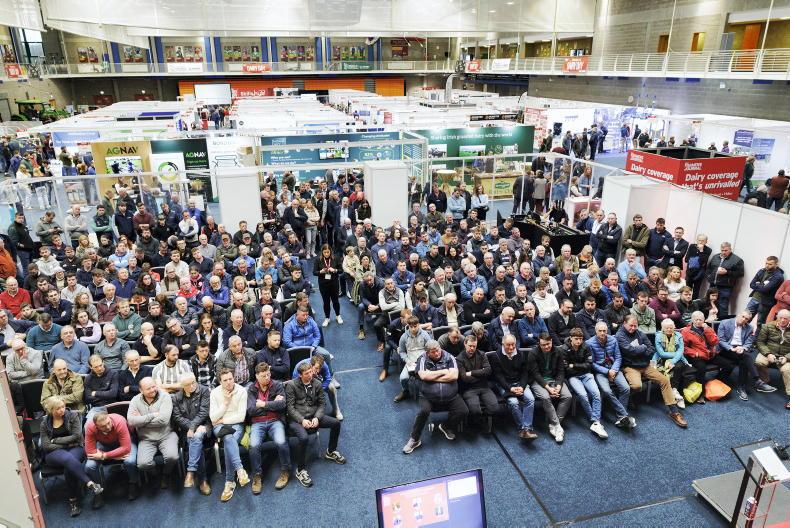
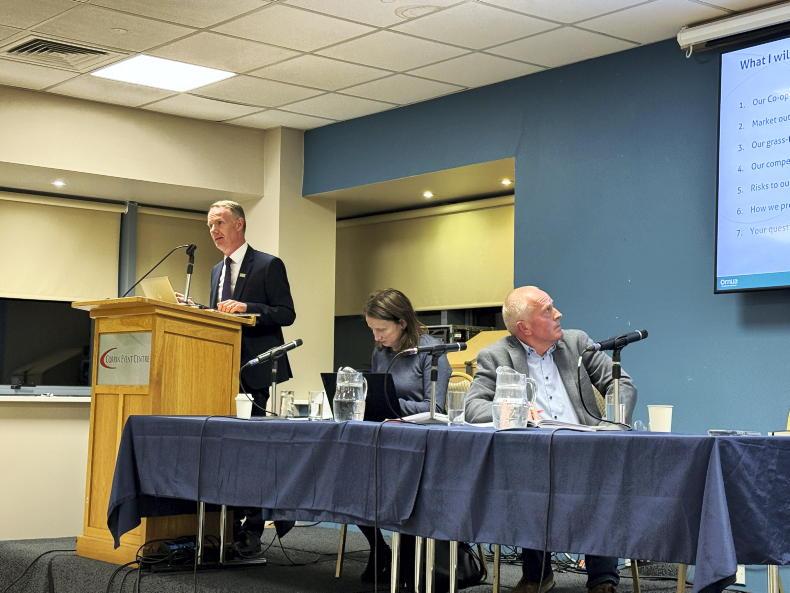
Galvin was speaking at an IFA meeting at Corrin Mart, Fermoy, Co Cork, on Wednesday night which was attended by over 150 farmers.
A number of questions touched on the theme of efficiency and duplication within Ornua and the member co-ops and the level of returns back to farmers.
Kinsale-based dairy farmer Nigel Sweetnam said the fact that Tirlán has gone head-to-head with Ornua on the US market is “a damning indictment of Ornua” if Tirlán “can get a better price for their product off a discount retailer”.
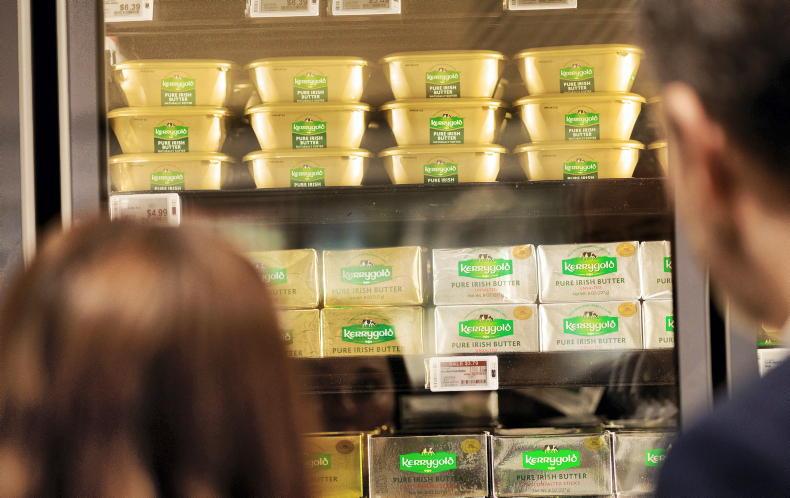
In response, Galvin said he didn’t know what the Tirlán deal with Costco is, but said: “If you’re selling a product that much cheaper in the market, it’s very hard to return the same premium. We are seeing Irish butter sold on the Kirkland brand today in Costco for $8.99. Kerrygold is sitting beside it at $14.99.
“That’s not the way to premiumize product and that’s something that we need to be really careful of because there could be small amounts of volume sold at a low price that will drag everything down and that is a real problem.”
Galvin said that Ornua returns the value of Kerrygold through the Ornua Value Payment which was worth €74m last year and is on track to be similar in 2026.
When asked about the structure of Ornua and if there are any plans to make farmers more directly involved in the ownership structure, Galvin ruled this out: “One of the challenges around that is the complexity of making it happen. It comes up from time to time but there’s no plans to do it at the moment. The more important piece is that we have really good engagement directly with dairy farmers where it’s appropriate.”
Markets
On dairy markets he highlighted the phenomenal performance of skimmed milk powder in 2026, but also the disappointing performance of butter and cheese and the stronger than expected milk supply growth globally.
“Even in Europe, with the droughts that we had during the summer, it didn’t affect volumes in the way that everyone expected back in June and July and that is still weighing on the market.
“The forecasts for 2027 supply are now being revised back to the pre-drought levels and US and New Zealand are still robust and we forecast volumes for 2027 to be strong across all milk producing regions,” he says.