The reduction in eligible land under the new Forestry Programme increases the challenge for forest creation, but the Native Tree Area (NTA) scheme does offer farmers new opportunities.
As the details of the environmental and eligibility requirements under the programme are released, it is becoming even more difficult to see how the afforestation target of 8,000ha per annum will be achieved.
What is clear is that the land area available for new afforestation has been significantly reduced. The challenge of meeting the planting target has become even greater given the demand for agricultural land, particularly from the dairy sector, and the rental price on offer.
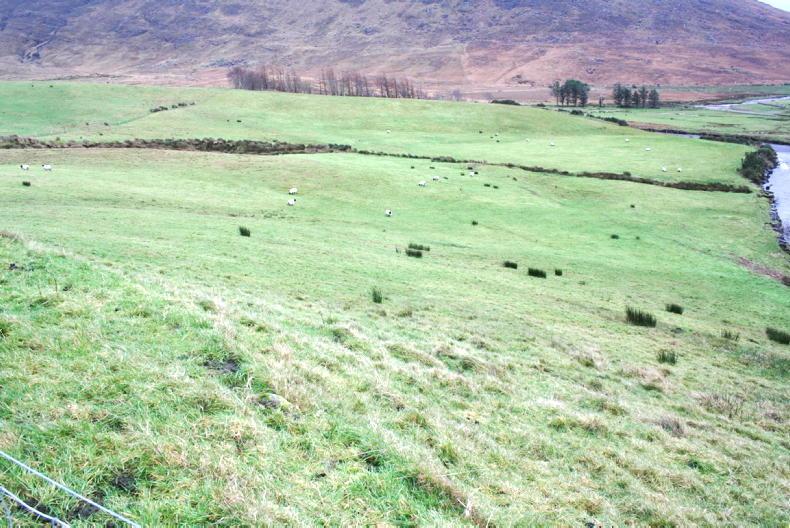
The land available for forestry has reduced due to a number of restrictions introduced to protect breeding waders and high nature value farmland, while all unenclosed lands and land with a peat depth of 30cm or more is no longer eligible for commercial forestry.
These restrictions, assessment procedures, and the professional costs associated with afforestation applications are major deterrents.
As it stands, in many instances the afforestation and environmental report grants available do not cover the cost of applying and establishing a forest. And based on the new guidance documents, these costs are likely to increase further.
This means it could cost farmers to plant, eroding the attractiveness of the increased premiums.
The NTA scheme will probably be of the greatest interest to farmers and offers new opportunities to drive planting.
The scheme supports farmers to plant up to 1ha of native forests and/or a further 1ha of native forests for water protection on their farms. Farmers can receive up to €2,284/ha per annum for 10 years.
Risks
The scheme will apply the same application process as the agri-environmental schemes, a process more familiar to farmers. The NTA is a positive development that will hopefully see more small native forests being established on farms.
Money is only one factor in a farmer’s decision to plant: the reality is the risks associated with planting have become too great. Evolving policies and regulations have eroded productive forest areas and devalued assets.
In addition, the treatment of farmers whose forests have been devastated by Ash dieback, has undermined confidence. These will need to be addressed by Government if planting targets are to be achieved.

Geraldine O'Sullivan.
Geraldine O’Sullivan is IFA senior policy executive for environment and forestry.
The reduction in eligible land under the new Forestry Programme increases the challenge for forest creation, but the Native Tree Area (NTA) scheme does offer farmers new opportunities.
As the details of the environmental and eligibility requirements under the programme are released, it is becoming even more difficult to see how the afforestation target of 8,000ha per annum will be achieved.
What is clear is that the land area available for new afforestation has been significantly reduced. The challenge of meeting the planting target has become even greater given the demand for agricultural land, particularly from the dairy sector, and the rental price on offer.
The land available for forestry has reduced due to a number of restrictions introduced to protect breeding waders and high nature value farmland, while all unenclosed lands and land with a peat depth of 30cm or more is no longer eligible for commercial forestry.
These restrictions, assessment procedures, and the professional costs associated with afforestation applications are major deterrents.
As it stands, in many instances the afforestation and environmental report grants available do not cover the cost of applying and establishing a forest. And based on the new guidance documents, these costs are likely to increase further.
This means it could cost farmers to plant, eroding the attractiveness of the increased premiums.
The NTA scheme will probably be of the greatest interest to farmers and offers new opportunities to drive planting.
The scheme supports farmers to plant up to 1ha of native forests and/or a further 1ha of native forests for water protection on their farms. Farmers can receive up to €2,284/ha per annum for 10 years.
Risks
The scheme will apply the same application process as the agri-environmental schemes, a process more familiar to farmers. The NTA is a positive development that will hopefully see more small native forests being established on farms.
Money is only one factor in a farmer’s decision to plant: the reality is the risks associated with planting have become too great. Evolving policies and regulations have eroded productive forest areas and devalued assets.
In addition, the treatment of farmers whose forests have been devastated by Ash dieback, has undermined confidence. These will need to be addressed by Government if planting targets are to be achieved.
Geraldine O'Sullivan.
Geraldine O’Sullivan is IFA senior policy executive for environment and forestry.






SHARING OPTIONS