


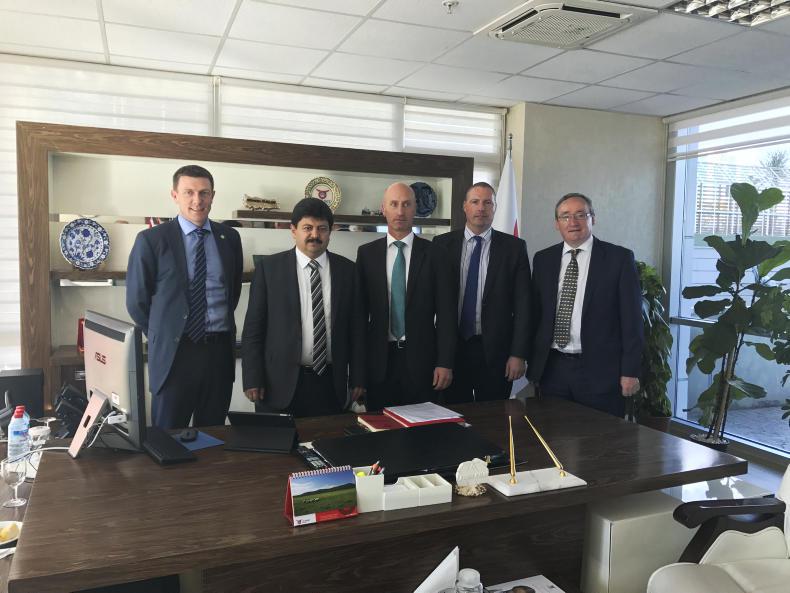
Bord Bia recently undertook a promotional visit to Turkey for Irish livestock, in conjunction with the IFA. In the capital city, Ankara, the Irish delegates held discussions with senior officials from the Ministry of Food, Agriculture and Livestock (MFAL) and the ESK (Turkish Meat and Milk Board), while also meeting with private buyers and feedlot-owners.
In Turkey, import demand for live cattle has been growing during recent years, on account of a deficit in local production. Although a relatively small volume of carcase beef is also imported (20,000t. in 2016), it is the preference of the Government for approximately 500,000 young cattle to be imported annually for further feeding by Turkish farmers. This policy helps to protect local producers, while ensuring consumers have access to fresh meat, processed under Muslim traditions.
Ireland began exporting live cattle to Turkey in autumn 2016. Almost 20,000 young bulls were shipped there before the year-end under a contract with ESK, the State agency which issues tenders to companies seeking to supply livestock, meat or dairy products into the market. To-date this year, a further 20,000 Irish cattle have been exported to Turkey, and additional consignments are currently being assembled by the exporters involved.
In the meeting with the ESK, Bord Bia learned that 60% of animals are imported from South America: Brazil and Uruguay, with approximately 15% coming from Australia. The remaining 25% are supplied by European countries, including Hungary, Czech Republic, Spain and Ireland. Imports from France continue to be restricted on account of Bluetongue disease. Not all livestock imports are required to come through the ESK. The MFAL has recently allowed private buyers to purchase animals directly from South American exporters. However, in this case, a tariff import duty of 10% is charged on cattle for further feeding, whereas the ESK is permitted to import duty-free.
The majority of Irish animals supplied to-date have been young bulls for finishing. These must be under 12 months of age, less than 300kg live weight and need to undergo a 21-day quarantine period before export, which includes vaccination and blood testing requirements. A number of consignments of finished bulls have also been exported, along with almost 4,000 heifers for breeding. The Turkish Government has recently introduced an annual payment of 750 Lira (€175) per beef cow and calf, to encourage its livestock sector to become more self-sufficient. This development has led to strong demand in Turkey for beef breeding heifers. The agencies and buyers were especially interested to learn about the advances being made in beef cattle breeding in Ireland, including the introduction of a maternal selection index and the use of genomic testing. Interestingly, Turkey is also a key market for exports of Irish beef genetics, and looks set to import 400,000 doses of Artificial Insemination from Irish suppliers this year.
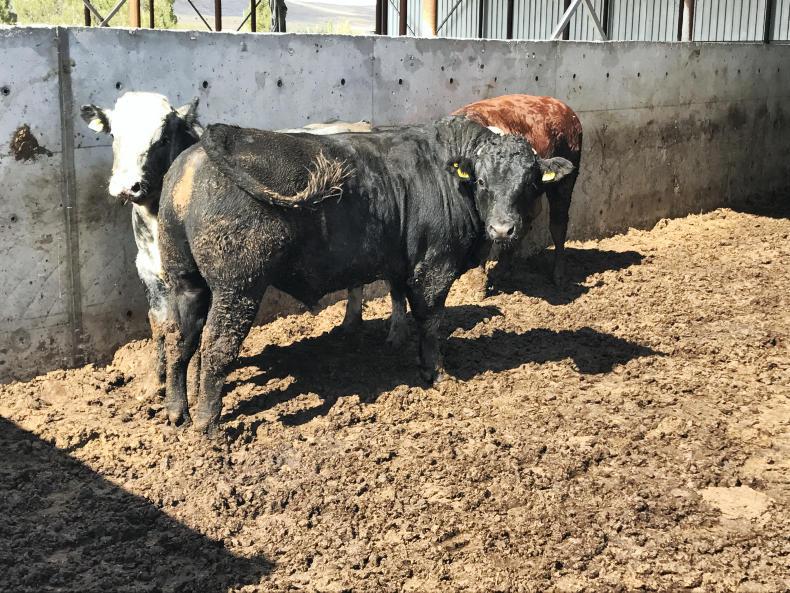
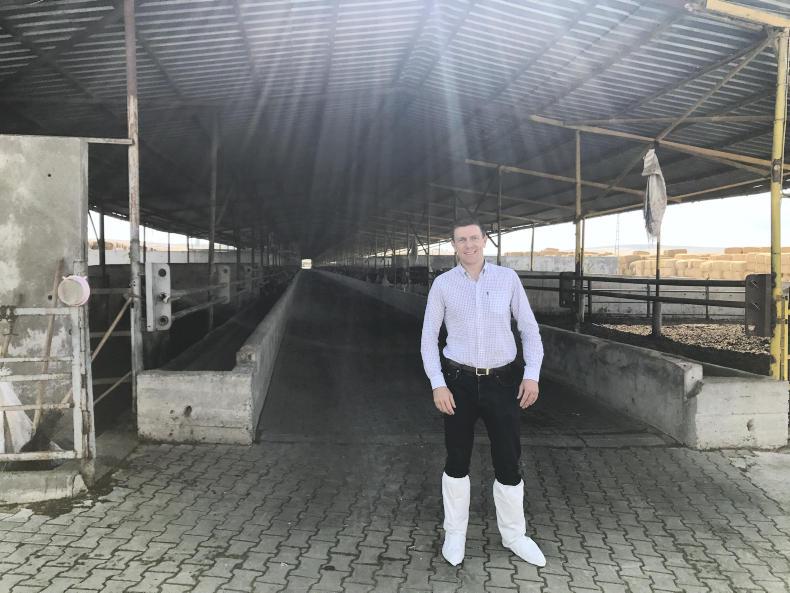
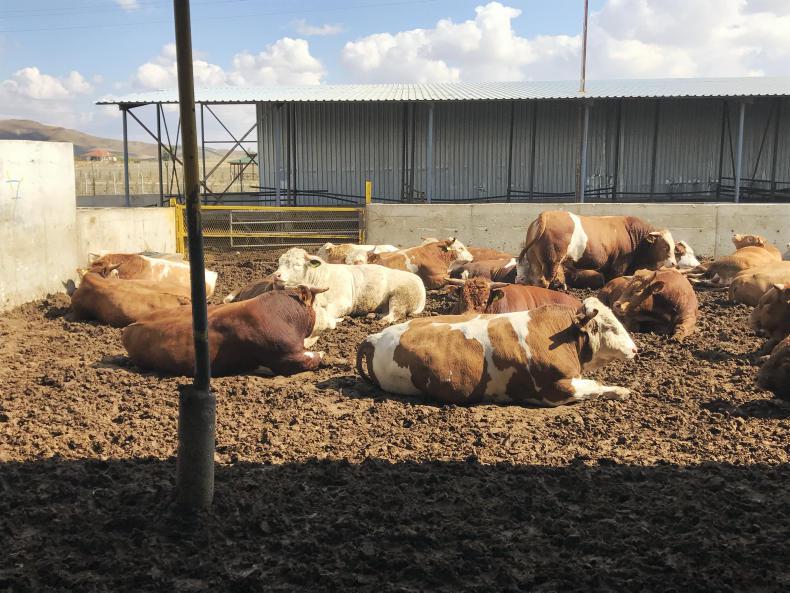
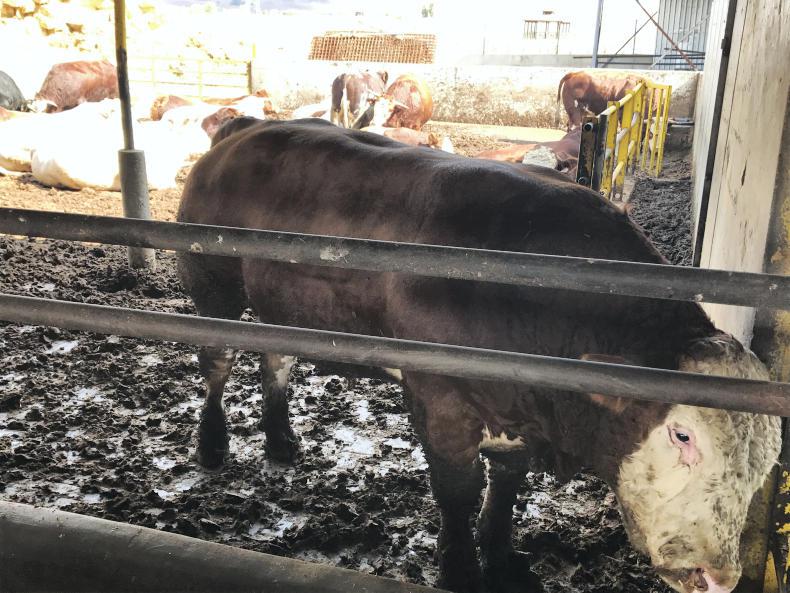
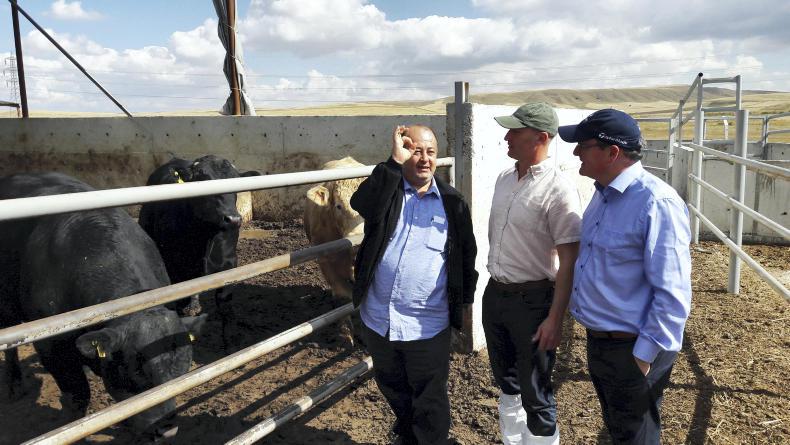
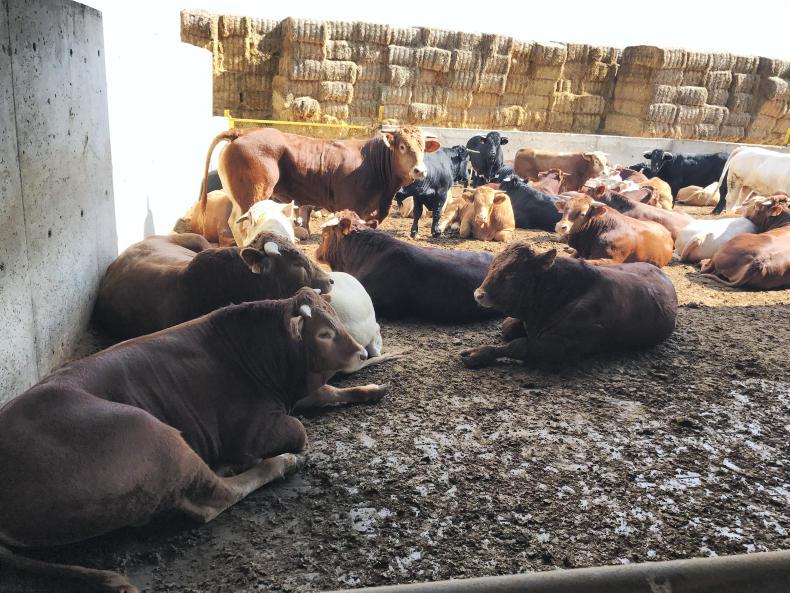
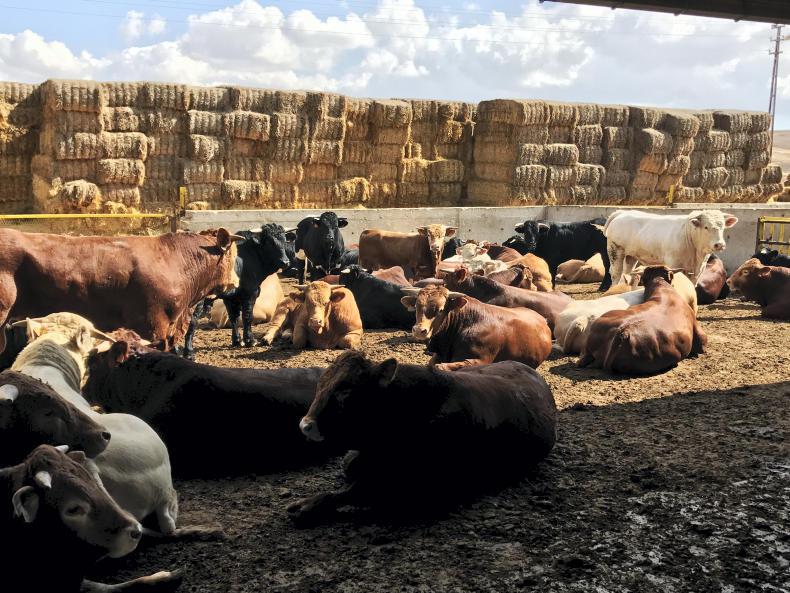
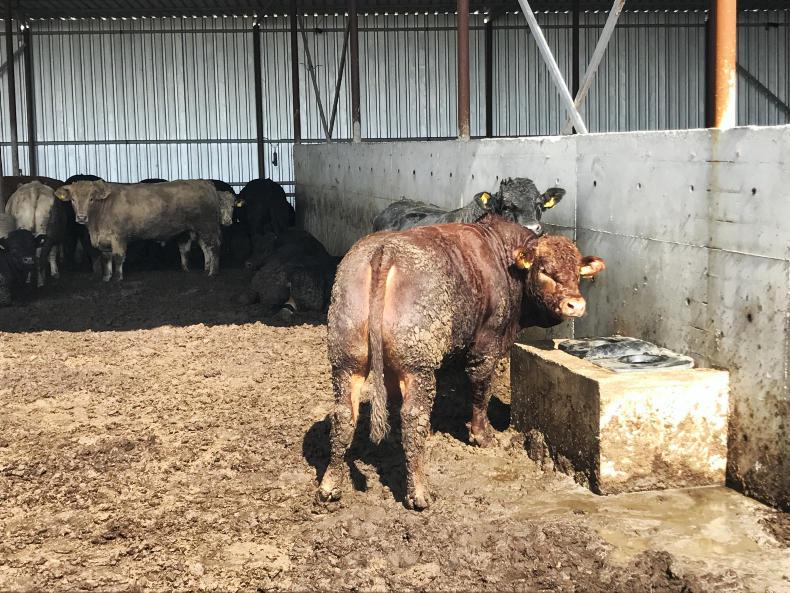
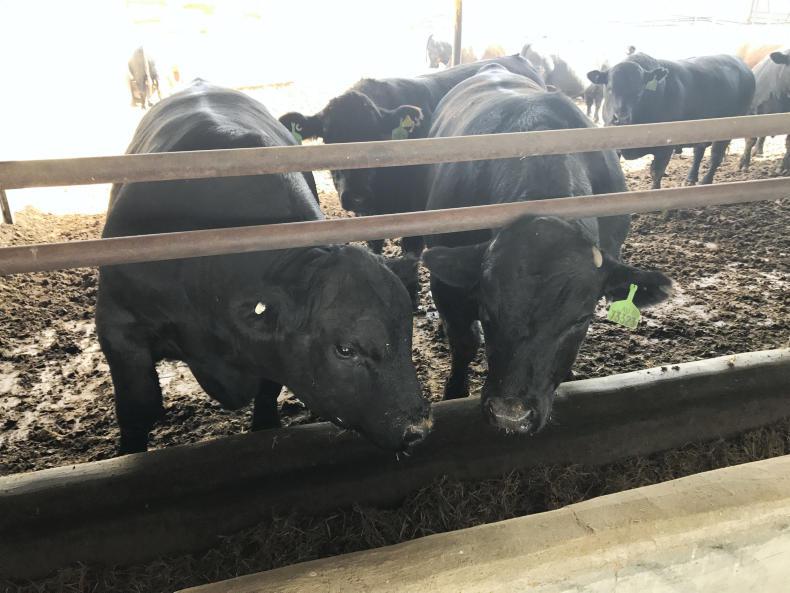
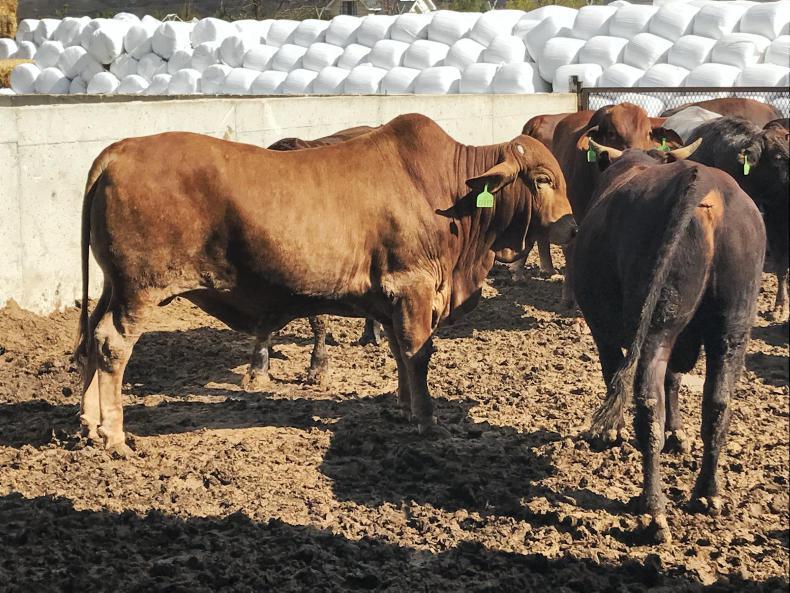
One of the feedlots visited by the Bord Bia - IFA group outside Ankara had a capacity of 3,500 head. Animals were housed in loose-bedded sheds with 25 to 30 young bulls per pen, and fed on a high-energy mixed ration containing maize silage, lucerne hay, ground cereals, distillers grains, sunflower meal and soya. It was fascinating to see animals of so many different breeds and origins, from locally-bred Simmentals, to South American Brahman, to Australian Angus and various European cattle.
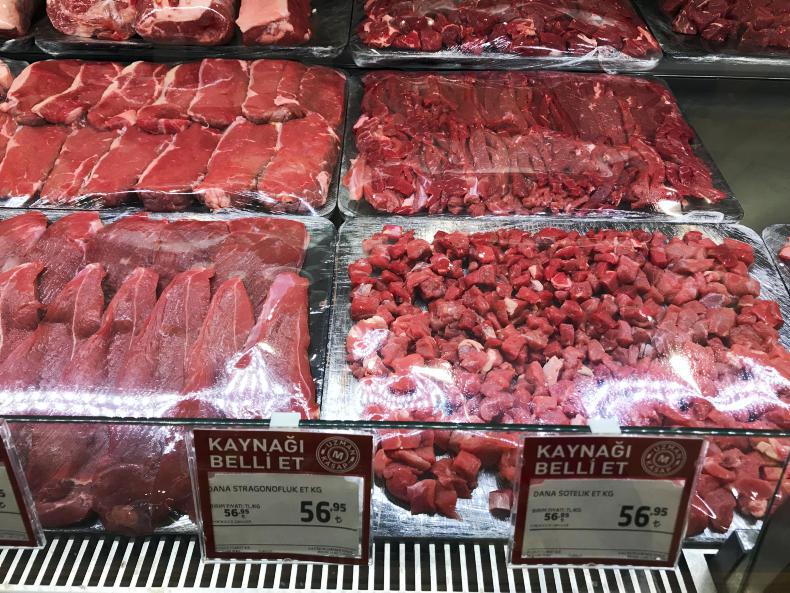
The owner had purchased 300 continental-cross bulls from Ireland last autumn. Most have already been finished, but there were three pens of cattle remaining that will soon be ready for slaughter. He complimented the health and performance of the Irish animals, which have averaged almost 450kg carcase weight so-far at 19-20 months of age. The finished cattle price in Turkey is currently between 25 and 26 Lira (€5.80/kg to €6.00/kg) per kilo of carcase weight. At retail level, there is relatively little difference between the selling price of steak cuts like striploin and lean, diced forequarter meat, which is commonly used in Turkish stews and kebabs.
Angus Woods, IFA National Livestock Chairman, observed that the Turkish buyers have a strong appreciation for the high quality weanlings being produced by Irish suckler farmers. “We must do everything we can to promote this valuable market, especially over the coming months when the supply of suitable cattle is highest,” he said.


SHARING OPTIONS