



The dietary recommendations by a recent An Taisce report suggesting dramatic cutbacks in meat and milk consumption form part of a significant body of anti-Irish agriculture sentiment that would not only curtail Irish agri food growth but ultimately sacrifice the sector.
There is a very strong sense of deja vu about this doomsday approach to Irish agriculture.
Similarly in the 1990s and 2000s, the key driver of Irish agriculture’s imminent demise was globalisation and in particular WTO negotiations
Back in 2010, An Taisce noted that expansion of infant formula manufacturing in Ireland under Food Harvest 2020 would undermine the ability of Chinese women to make a positive decision about breastfeeding.
Similarly in the 1990s and 2000s, the key driver of Irish agriculture’s imminent demise was globalisation and in particular WTO negotiations. It was proposed that Ireland should accept its lack of competitive advantage in beef production and step aside to allow beef imports from Brazil dominate the EU market.
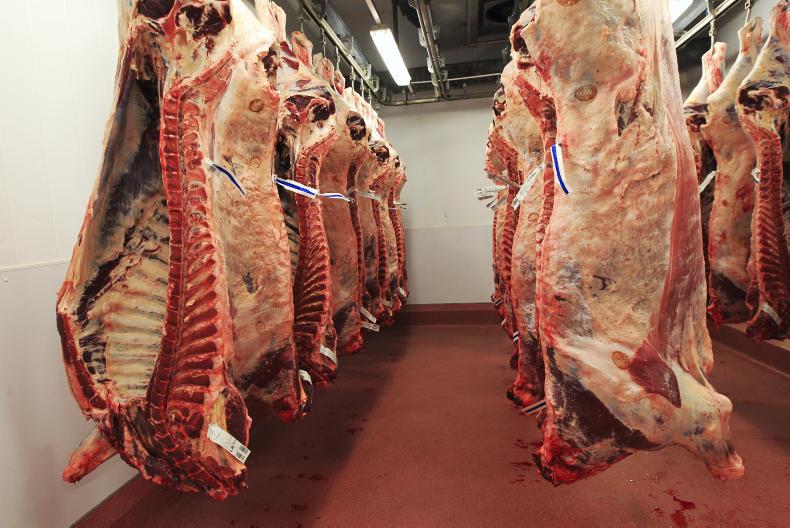
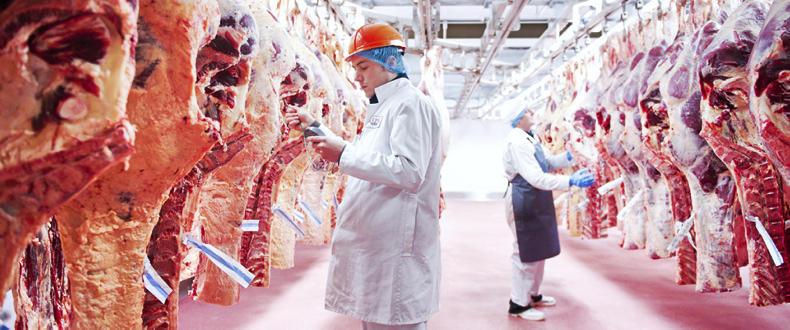
The Irish beef industry has survived, contributing over €2.5bn annually to the Irish economy and supporting 60,000 beef farmers and 15,000 jobs
Part of the hubris behind this world view was that the Irish economy, in the midst of a finance binge, had moved on from its agriculture and manufacturing base and was firmly on the road to becoming a services economy.
Luckily the Doha discussions collapsed and the WTO deal never got through. The Irish beef industry has survived, contributing over €2.5bn annually to the Irish economy and supporting 60,000 beef farmers and 15,000 jobs.
Does that wrong call not suggest a pause for reflection before again jumping on a bandwagon?
The reality of the An Taisce and Lancet reports whereby the population would stop consuming meat and move to plant-based diet only, would actually increase carbon emissions across the planet and reduce the nutritional content of current food production.
In Ireland, it would also destroy an agri food industry that’s almost uniquely grass-based. In broad terms, Ireland’s grass-based production system involves the conversion of grass valued at €60/t into meat and milk valued at between €4,000-5,000/t.
Post-2015 dairy expansion has added over 30,000 jobs across the rural Irish economy
Furthermore, 95% of that value created stays in the Irish economy and the 4.1m ha of grassland is a huge carbon sink, sequestering up to 30m tonnes of CO2 annually.
Throughout the recession from 2008 to 2015, when over 300,000 jobs were lost in the modern Irish economy, the agri food sector continued to underpin 280,000 jobs despite its own competitive issues. Post-2015 dairy expansion has added over 30,000 jobs across the rural Irish economy. In reality, an Irish economy without its agri food sector is not sustainable in any sense.
We need to look at these very challenging issues in a holistic manner using science and real economics as a backdrop.


SHARING OPTIONS