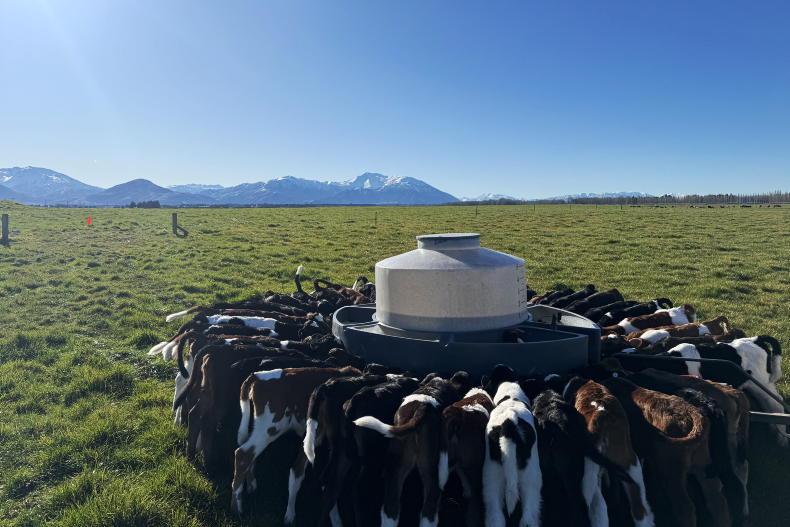
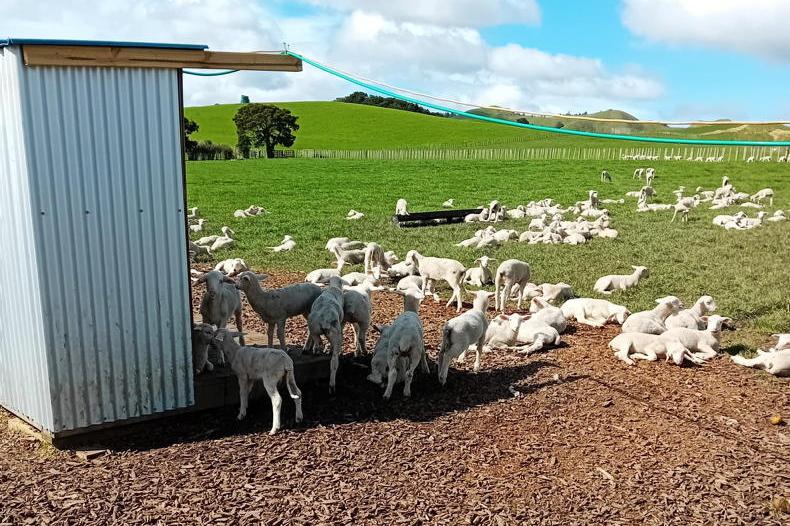
New Zealand and Ireland have many similarities, particularly in relation to agriculture.
In both countries, grassland is the main land use and livestock farming, based on cattle and sheep, is the main land use.
Dairy products, beef and sheepmeat are the main outputs and because of relatively low populations compared with land area, around 90% of these are exported to other markets.
With high populations of ruminant livestock that convert grass into meat and milk, there is a relatively high level of emissions output in the sector.
That this accounts for 37% of total emissions in the case of Ireland and almost 50% in the case of New Zealand is also attributable to the absence of heavy industry in both countries.
Similarities with Ireland
Irish farming and the wider agri-food industry are well aware that a reduction of 25% in emissions from agriculture has to be achieved by 2030.
While the journey to reduce emissions has been ongoing, it is not at a fast enough pace to meet this deadline.
Adoption of new technologies will deliver part of the reduction, but meeting the legal requirement can only be achieved by reduced livestock numbers.
Milk production can be maintained - even increased - through genetic improvement and more intensive feeding, but this doesn’t fit naturally with the grass-based production system.
Genetic potential in beef is limited, so fewer numbers mean less output. This has already been happening this year, but, in normal circumstances, the record beef prices of 2025 would lead to an increase in output - the indications are that this won't be the case.
A combination of aging farmers, decades of low incomes, organic incentives and Common Agricultural Policy (CAP) uncertainty mean that there is less enthusiasm for suckler beef production.
Reducing emissions means hard choices
There are very few people who don’t accept climate change is happening and that at least some of this is man-made.
However, the problem arises when it comes to making the lifestyle changes required to make a meaningful impact.
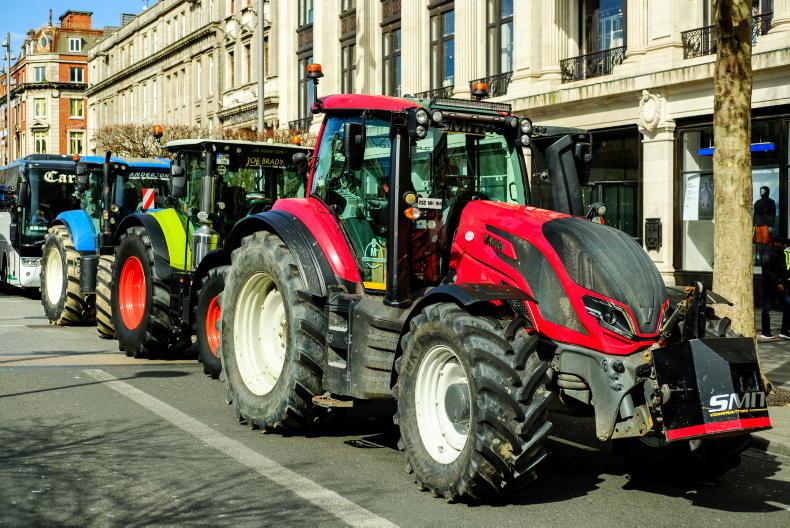
Agriculture is an obvious target in Ireland, as, in a population of five million, there are probably no more than 125,000 farmers.
If this group of the population can be targeted to deliver a huge chunk of emissions reductions, then it takes the focus off transport and data centres. Put crudely, it means the rest of the population can avail of unlimited air travel and use of smartphone technology and avoid the hard choices needed to reduce emissions.
The wider economic added value of farmers is often dismissed, as the vast majority of the corporation tax our Government receives is generated by multinationals.
Agricultural production for export is also penalised by the fact that the emissions are recorded at source of production. This contrasts sharply with energy, where the emissions from fossil fuels are measured at the point of use. This may not be fair, but it is the rules.
Comment – will Irish Government follow New Zealand?
In New Zealand, the Government has now legislated to change the target for agriculture from reducing emissions to no additional warming.
This means, in practice, that agriculture will be required to deliver a reduction in emissions of between 14% and 24% on 2017 levels by 2050, an easier target than the 24% and 47% target set by the previous government.
This has been welcomed by farmer and processor representatives and widely criticised by the environmental lobby.
The EU, which has a trade deal in place with New Zealand, negotiated on the basis of the previous targets and is known to be unhappy with the change. It will be interesting to see if it launches an investigation as provided for in the deal.
Irish farmers and agri-food processors will now be asking if the New Zealand government can change to what is considered a more pragmatic approach, that doesn’t jeopardise production, why can we not do the same?
New Zealand and Ireland have many similarities, particularly in relation to agriculture.
In both countries, grassland is the main land use and livestock farming, based on cattle and sheep, is the main land use.
Dairy products, beef and sheepmeat are the main outputs and because of relatively low populations compared with land area, around 90% of these are exported to other markets.
With high populations of ruminant livestock that convert grass into meat and milk, there is a relatively high level of emissions output in the sector.
That this accounts for 37% of total emissions in the case of Ireland and almost 50% in the case of New Zealand is also attributable to the absence of heavy industry in both countries.
Similarities with Ireland
Irish farming and the wider agri-food industry are well aware that a reduction of 25% in emissions from agriculture has to be achieved by 2030.
While the journey to reduce emissions has been ongoing, it is not at a fast enough pace to meet this deadline.
Adoption of new technologies will deliver part of the reduction, but meeting the legal requirement can only be achieved by reduced livestock numbers.
Milk production can be maintained - even increased - through genetic improvement and more intensive feeding, but this doesn’t fit naturally with the grass-based production system.
Genetic potential in beef is limited, so fewer numbers mean less output. This has already been happening this year, but, in normal circumstances, the record beef prices of 2025 would lead to an increase in output - the indications are that this won't be the case.
A combination of aging farmers, decades of low incomes, organic incentives and Common Agricultural Policy (CAP) uncertainty mean that there is less enthusiasm for suckler beef production.
Reducing emissions means hard choices
There are very few people who don’t accept climate change is happening and that at least some of this is man-made.
However, the problem arises when it comes to making the lifestyle changes required to make a meaningful impact.
Agriculture is an obvious target in Ireland, as, in a population of five million, there are probably no more than 125,000 farmers.
If this group of the population can be targeted to deliver a huge chunk of emissions reductions, then it takes the focus off transport and data centres. Put crudely, it means the rest of the population can avail of unlimited air travel and use of smartphone technology and avoid the hard choices needed to reduce emissions.
The wider economic added value of farmers is often dismissed, as the vast majority of the corporation tax our Government receives is generated by multinationals.
Agricultural production for export is also penalised by the fact that the emissions are recorded at source of production. This contrasts sharply with energy, where the emissions from fossil fuels are measured at the point of use. This may not be fair, but it is the rules.
Comment – will Irish Government follow New Zealand?
In New Zealand, the Government has now legislated to change the target for agriculture from reducing emissions to no additional warming.
This means, in practice, that agriculture will be required to deliver a reduction in emissions of between 14% and 24% on 2017 levels by 2050, an easier target than the 24% and 47% target set by the previous government.
This has been welcomed by farmer and processor representatives and widely criticised by the environmental lobby.
The EU, which has a trade deal in place with New Zealand, negotiated on the basis of the previous targets and is known to be unhappy with the change. It will be interesting to see if it launches an investigation as provided for in the deal.
Irish farmers and agri-food processors will now be asking if the New Zealand government can change to what is considered a more pragmatic approach, that doesn’t jeopardise production, why can we not do the same?








SHARING OPTIONS