The Food and Drink Organisation (FAO) of the United Nations September price index reveals the highest ever level recorded for meat prices.
The index climbed to 127.8 points in September, up from 126.9 points in August and was 7.9 points higher than a year earlier.
This is the highest ever recorded and was driven by a continued increase in global beef prices.
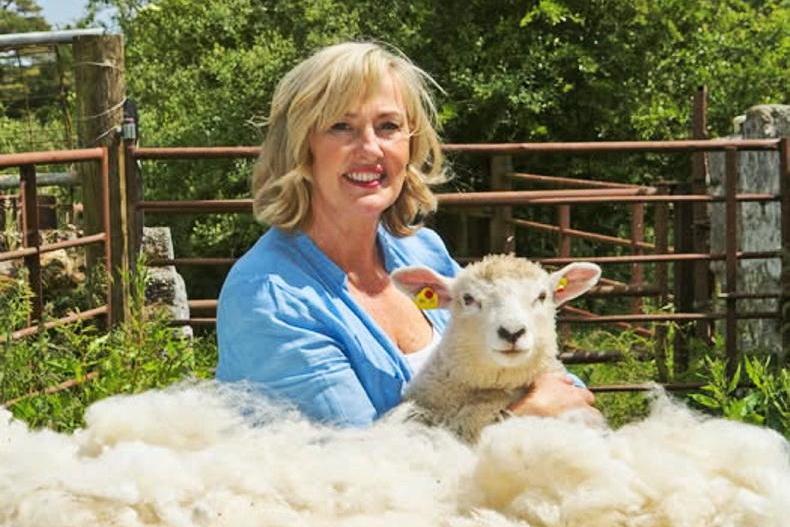
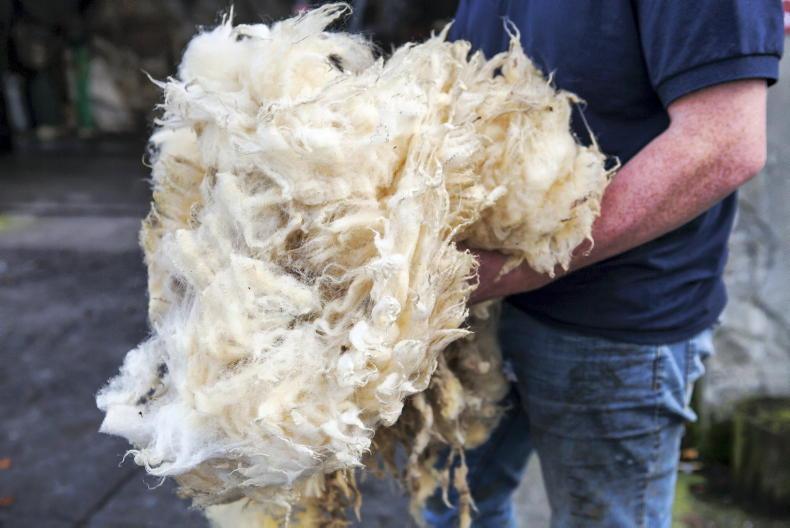
Pig and poultry meat prices were stable, while tighter supplies of sheep meat from Australia and New Zealand combined with strong global demand meant higher prices.
Dairy prices fall
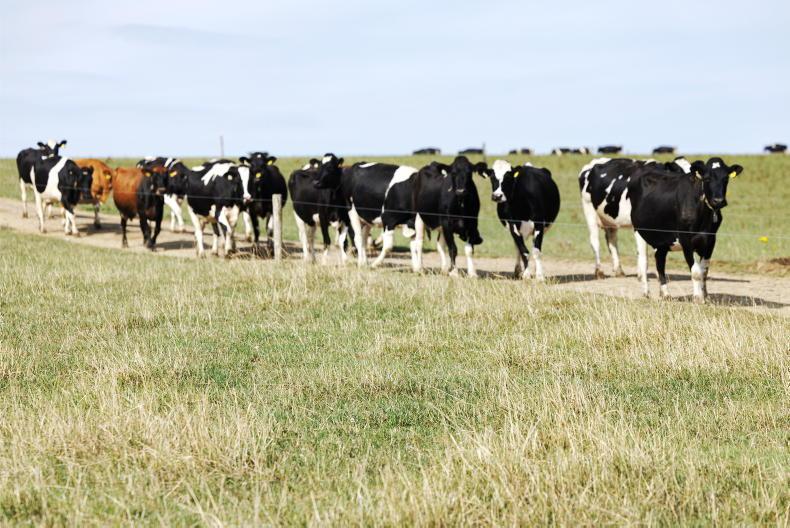
There has been turbulence in global dairy markets over recent months which has found its way back to Irish farmers, with lower milk prices being announced during September.
The FAO index recorded a third monthly decline in a row, with the value falling 148.3 points. This is down from 152.3 points in August and is now 7.2 points lower than the almost record of 155.5 level reached in June, which was just 0.1 point lower than the all-time record.
Butter prices dropped by 7% in September, which was due to a combination of lower ice cream demand in the northern hemisphere while more supplies are expected from Oceania.
No joy for cereals
Irish tillage farmers won't need reminding that 2025 has not been a good year for prices. This is reflected in the FAO index which was at 105 points in September, down from 105.6 the previous month. The high point for the last 12 months was in October last year when the index reached 114.4 points, but since then, the trend has been downwards.
FAO reports that wheat prices fell for the third consecutive month, with subdued global demand allied to the confirmation of large harvests in key producing countries. It is a similar story with maize, as abundant supplies have coincided with Argentina suspending grain export taxes.
Disruption of US trade with China due to high tariffs has also meant more US supplies looking for a bigger share of other global markets which, in turn, depresses prices.
Unprecedented beef trade
Despite the disruptive effect of US trade policy, global beef markets continue to perform strongly. A big help has been the seven decade low level of production in the US, which has also coincided with a prolonged period of decline in Europe. Reduced production has underpinned high farm gate prices alongside the reduced supply accommodating higher levels of beef imports. These have proved an outlet for increased export volumes from South American and Australian beef exports.
Comment: supply demand equation favours farmers in beef but not in cereals
The world is well supplied with grain following good harvests in the northern hemisphere. The abundant supply has meant poor prices for Irish growers in 2025.
It has been the opposite with beef and until recently, dairy. There will be an anxious eye kept on dairy markets over the next few months to see if the price falls are a blip or the start of a longer term trend.
As for beef, it has been an exceptional year and given the long production cycle, beef prices should be relatively stable with a similar trend for sheep meat.
Read more
Most global food prices hold up well
Dairy will be fastest growing commodity in next decade
The Food and Drink Organisation (FAO) of the United Nations September price index reveals the highest ever level recorded for meat prices.
The index climbed to 127.8 points in September, up from 126.9 points in August and was 7.9 points higher than a year earlier.
This is the highest ever recorded and was driven by a continued increase in global beef prices.
Pig and poultry meat prices were stable, while tighter supplies of sheep meat from Australia and New Zealand combined with strong global demand meant higher prices.
Dairy prices fall
There has been turbulence in global dairy markets over recent months which has found its way back to Irish farmers, with lower milk prices being announced during September.
The FAO index recorded a third monthly decline in a row, with the value falling 148.3 points. This is down from 152.3 points in August and is now 7.2 points lower than the almost record of 155.5 level reached in June, which was just 0.1 point lower than the all-time record.
Butter prices dropped by 7% in September, which was due to a combination of lower ice cream demand in the northern hemisphere while more supplies are expected from Oceania.
No joy for cereals
Irish tillage farmers won't need reminding that 2025 has not been a good year for prices. This is reflected in the FAO index which was at 105 points in September, down from 105.6 the previous month. The high point for the last 12 months was in October last year when the index reached 114.4 points, but since then, the trend has been downwards.
FAO reports that wheat prices fell for the third consecutive month, with subdued global demand allied to the confirmation of large harvests in key producing countries. It is a similar story with maize, as abundant supplies have coincided with Argentina suspending grain export taxes.
Disruption of US trade with China due to high tariffs has also meant more US supplies looking for a bigger share of other global markets which, in turn, depresses prices.
Unprecedented beef trade
Despite the disruptive effect of US trade policy, global beef markets continue to perform strongly. A big help has been the seven decade low level of production in the US, which has also coincided with a prolonged period of decline in Europe. Reduced production has underpinned high farm gate prices alongside the reduced supply accommodating higher levels of beef imports. These have proved an outlet for increased export volumes from South American and Australian beef exports.
Comment: supply demand equation favours farmers in beef but not in cereals
The world is well supplied with grain following good harvests in the northern hemisphere. The abundant supply has meant poor prices for Irish growers in 2025.
It has been the opposite with beef and until recently, dairy. There will be an anxious eye kept on dairy markets over the next few months to see if the price falls are a blip or the start of a longer term trend.
As for beef, it has been an exceptional year and given the long production cycle, beef prices should be relatively stable with a similar trend for sheep meat.
Read more
Most global food prices hold up well
Dairy will be fastest growing commodity in next decade
SHARING OPTIONS