The typical diet for dairy cows in the summer is grazed grass and perhaps 1kg or 2kg of meal per cow per day.
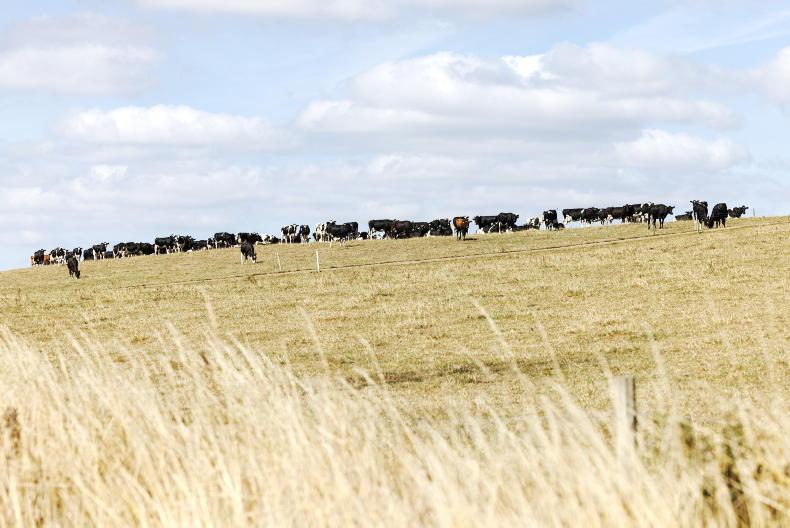
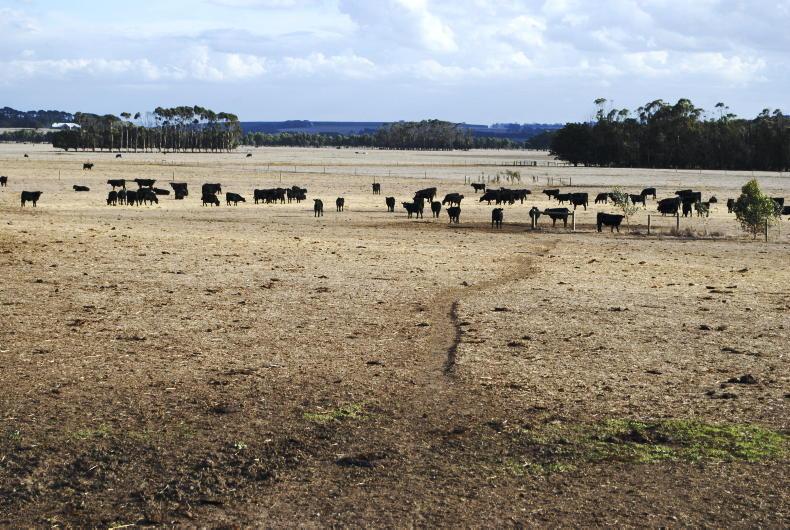
With the recent dry spell that is now all turned on its head mostly because grass growth has reduced or crashed, depending on where in the country the farm is.
As a result, farmers are putting in additional feed in order to make sure cows are still well fed. It’s important to keep the diet balanced.
Balance
Looking at the diet on a kilo of dry matter basis only is not appropriate because unlike monogastric animals like pigs, cows are ruminants and the rumen needs a balance of fibre in order to maintain function.
At a minimum, about half of the diet should be in the form of forage such as grazed grass or silage and the other half can be made up of readily digestible concentrate feeds.
The big risk is of feeding too much concentrates which then causes digestive upsets such as acidosis.
There is absolutely no problem with feeding a 100% forage diet to cows as their rumen is designed to break down and process forage.
Thinking back to the last bad drought in 2018, many farmers decided to go on a diet consisting of one-third grazed grass, one-third grass silage and one-third concentrates.
Where silage is limiting, as it is in many cases, then high-fibre straights can be fed. These are typically in the form of either soya hulls or palm kernel expeller (PKE). I would still be slow to feed any more than 50% of the diet in the form of concentrates and straights.
Cows drink a lot more water during hot and dry weather. They drink more to keep cool and hydrated but also because the dry matter in grass gets very high so they need to increase water intake.
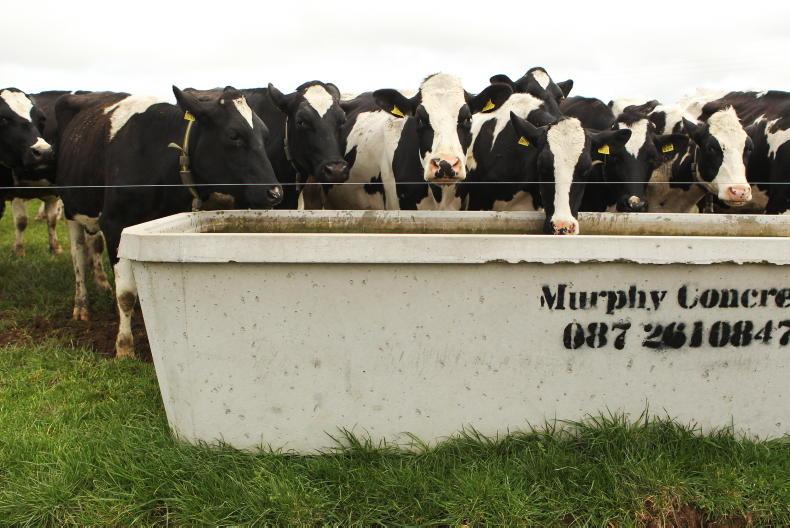
Water quality is extremely important at all times of the year but is especially important during this dry weather.
If water is dirty, cows will be less inclined to drink it and considering milk is about 90% water, this has a big bearing on milk yield during hot weather.
Water troughs should be cleaned out regularly to prevent a buildup of algae and other weeds and debris in troughs. Some farmers will do this every rotation.
The other key point when it comes to water intake is to make sure that all cows can access water when they want it. This refers to sufficient trough size and water flow relative to the herd size.
Heat stress will be evident above 24 degrees Celsius but becomes more severe above 260C. Cows will naturally go for shade when temperatures are at their warmest so keeping them in fields with lots of shade is very important.
Where cows are congregating together closely, such as in a collecting yard, the ambient temperature will rise.
The same can happen in a shed where cows are housed, particularly where there is poor ventilation. All farmers, but particularly those in confinement-type systems need to be very alert in these conditions.
Grass growth and particularly clover will compensate whenever the weather changes and there is a big risk of bloat after a prolonged dry spell.

Palm kernel is a high-fibre feed.
Giving cows access to a smaller break of grass at each grazing will increase the amount of fibre they are consuming in each bite, which helps to reduce the risk of bloat. Where silage or other long forage is being fed, the risk of bloat is greatly reduced.
The typical diet for dairy cows in the summer is grazed grass and perhaps 1kg or 2kg of meal per cow per day.
With the recent dry spell that is now all turned on its head mostly because grass growth has reduced or crashed, depending on where in the country the farm is.
As a result, farmers are putting in additional feed in order to make sure cows are still well fed. It’s important to keep the diet balanced.
Balance
Looking at the diet on a kilo of dry matter basis only is not appropriate because unlike monogastric animals like pigs, cows are ruminants and the rumen needs a balance of fibre in order to maintain function.
At a minimum, about half of the diet should be in the form of forage such as grazed grass or silage and the other half can be made up of readily digestible concentrate feeds.
The big risk is of feeding too much concentrates which then causes digestive upsets such as acidosis.
There is absolutely no problem with feeding a 100% forage diet to cows as their rumen is designed to break down and process forage.
Thinking back to the last bad drought in 2018, many farmers decided to go on a diet consisting of one-third grazed grass, one-third grass silage and one-third concentrates.
Where silage is limiting, as it is in many cases, then high-fibre straights can be fed. These are typically in the form of either soya hulls or palm kernel expeller (PKE). I would still be slow to feed any more than 50% of the diet in the form of concentrates and straights.
Cows drink a lot more water during hot and dry weather. They drink more to keep cool and hydrated but also because the dry matter in grass gets very high so they need to increase water intake.
Water quality is extremely important at all times of the year but is especially important during this dry weather.
If water is dirty, cows will be less inclined to drink it and considering milk is about 90% water, this has a big bearing on milk yield during hot weather.
Water troughs should be cleaned out regularly to prevent a buildup of algae and other weeds and debris in troughs. Some farmers will do this every rotation.
The other key point when it comes to water intake is to make sure that all cows can access water when they want it. This refers to sufficient trough size and water flow relative to the herd size.
Heat stress will be evident above 24 degrees Celsius but becomes more severe above 260C. Cows will naturally go for shade when temperatures are at their warmest so keeping them in fields with lots of shade is very important.
Where cows are congregating together closely, such as in a collecting yard, the ambient temperature will rise.
The same can happen in a shed where cows are housed, particularly where there is poor ventilation. All farmers, but particularly those in confinement-type systems need to be very alert in these conditions.
Grass growth and particularly clover will compensate whenever the weather changes and there is a big risk of bloat after a prolonged dry spell.
Palm kernel is a high-fibre feed.
Giving cows access to a smaller break of grass at each grazing will increase the amount of fibre they are consuming in each bite, which helps to reduce the risk of bloat. Where silage or other long forage is being fed, the risk of bloat is greatly reduced.






SHARING OPTIONS