It’s important that autumn-calving cows receive adequate attention over the coming weeks in terms of nutrition, so there is no delay in getting them back in calf. Stock bulls, too, need winter care.
In an ideal situation, autumn-calving cows should calve down at BCS 3 and then not go below 2.5 BCS at breeding. If they lose too much condition the cows will be delayed going back in calf.
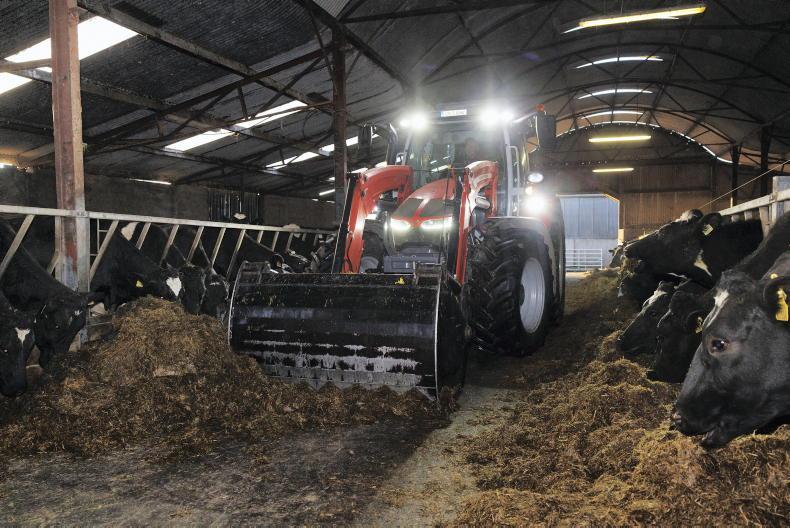
Silage quality is really important to reduce higher costs associated with autumn-calving cows. These cows should be fed the best silage on the farm, ideally 70+DMD. If silage quality is not high, more concentrate will be needed to avoid BCS loss. For example, if a cow is at BCS 2.5 and your silage is 60DMD you will need to feed 3kg/head/day, prior to breeding. If silage quality is 70DMD, 2kg/head/daily will be needed. A simple three-way mix of barley, soya hulls and maize distillers with minerals will suffice to feed autumn-calving cows.
Growing animals
ADVERTISEMENT
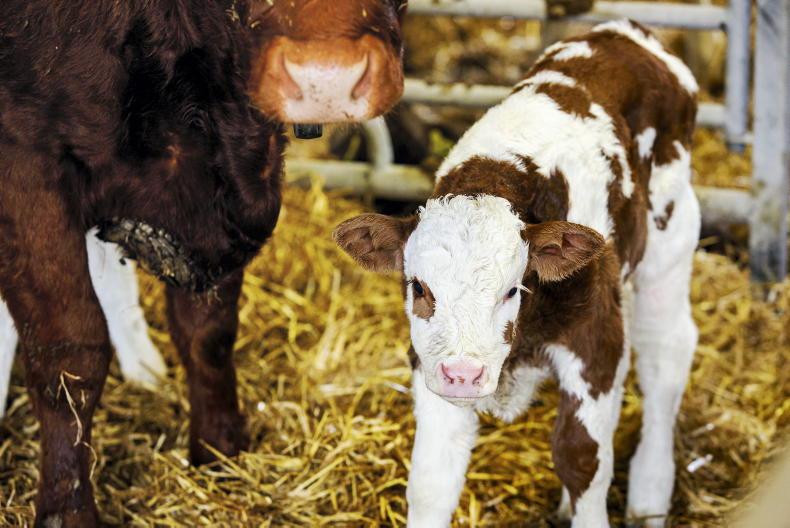
If the silage being fed is very low in protein, a higher protein ration (14%) may be needed. Pay special attention to first-calved heifers and pen separately to avoid bullying. Remember, they are still growing animals and need to be fed accordingly. Creep feeding calves can help to take some pressure off cows, help reduce the bond and get cows cycling quicker. Again, a simple mix will suffice. Aim for 14-16% protein and a feeding rate of approximately 1kg/head/daily.
Stock bulls
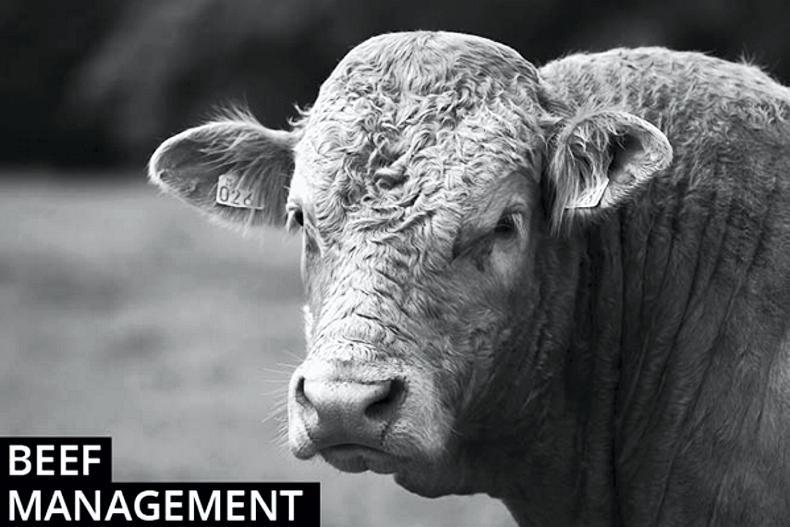
Don’t neglect the stock bull when it comes to housing. If the bull lost condition during the breeding season, it may mean that they need some TLC when housed. Don’t forget to dose and vaccinate the stock bull along with other stock. Any intervention with hoof paring, etc should be completed well in advance of the breeding season. Make sure the nose ring is present and avoid housing bulls in isolation.
This content is available to digital subscribers and loyalty code users only. Sign in to your account, use the code or subscribe to get unlimited access.
The reader loyalty code gives you full access to the site from when you enter it until the following Wednesday at 9pm. Find your unique code on the back page of Irish Country Living every week.
CODE ACCEPTED
You have full access to the site until next Wednesday at 9pm.
CODE NOT VALID
Please try again or contact support.
In an ideal situation, autumn-calving cows should calve down at BCS 3 and then not go below 2.5 BCS at breeding. If they lose too much condition the cows will be delayed going back in calf.
Silage quality is really important to reduce higher costs associated with autumn-calving cows. These cows should be fed the best silage on the farm, ideally 70+DMD. If silage quality is not high, more concentrate will be needed to avoid BCS loss. For example, if a cow is at BCS 2.5 and your silage is 60DMD you will need to feed 3kg/head/day, prior to breeding. If silage quality is 70DMD, 2kg/head/daily will be needed. A simple three-way mix of barley, soya hulls and maize distillers with minerals will suffice to feed autumn-calving cows.
Growing animals
If the silage being fed is very low in protein, a higher protein ration (14%) may be needed. Pay special attention to first-calved heifers and pen separately to avoid bullying. Remember, they are still growing animals and need to be fed accordingly. Creep feeding calves can help to take some pressure off cows, help reduce the bond and get cows cycling quicker. Again, a simple mix will suffice. Aim for 14-16% protein and a feeding rate of approximately 1kg/head/daily.
Stock bulls
Don’t neglect the stock bull when it comes to housing. If the bull lost condition during the breeding season, it may mean that they need some TLC when housed. Don’t forget to dose and vaccinate the stock bull along with other stock. Any intervention with hoof paring, etc should be completed well in advance of the breeding season. Make sure the nose ring is present and avoid housing bulls in isolation.
If you would like to speak to a member of our team, please call us on 01-4199525.
Link sent to your email address
We have sent an email to your address. Please click on the link in this email to reset your password. If you can't find it in your inbox, please check your spam folder. If you can't find the email, please call us on 01-4199525.
ENTER YOUR LOYALTY CODE:
The reader loyalty code gives you full access to the site from when you enter it until the following Wednesday at 9pm. Find your unique code on the back page of Irish Country Living every week.





SHARING OPTIONS