


With the ABP juggernaut lined up to take over the Allen family interest in Slaney Foods, subject to Competition and Consumer Protection Commission approval, we could be forgiven for thinking that the smaller independent beef and lamb factory has had its day.
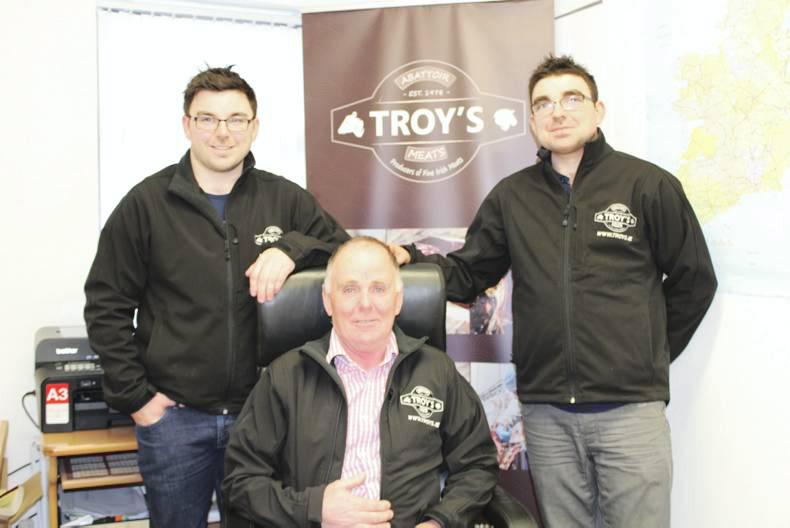
Yet, the news that the Dunbia group is looking at its options reminds us that size doesn’t in itself guarantee continuation of the status quo. The Irish Farmers Journal recently looked at an alternative model of meat processing operated by the Troy family at Tyrrellspass in Co Westmeath.
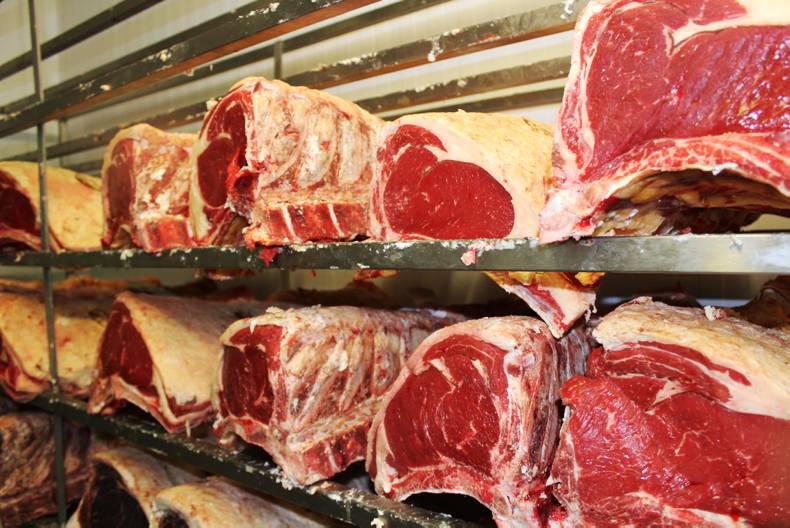
This family business creates its unique selling point on its size. By not focusing on the traditional industry model of processing as much as you can in as short a time as possible, the business can offer a level of service and, above all, consistent quality unmatched by the larger companies. The process begins by being selective in sourcing cattle. All animals are viewed in advance of purchase and a flat-rate price is agreed on the basis of Bernard Troy’s judgement.
Prices paid this week will be as high as €4.25/kg all in for R+/U grades weighing between 250kg and 400kg. Charolais and red Limousin are particularly preferred and Quality Assurance is a requirement. Where cattle are plainer or carrying fat, prices paid will be closer to €4/kg. Suppliers get paid on a weekly basis but this can be on the day of slaughter if requested.
This suits farmers who are comfortable producing to a tight specification, particularly for weights, and won’t be a suitable customer for farmers looking to sell a run of cattle of different shapes and sizes. They do, however, provide a contract service for other factories who may have an interest in a wider run of cattle.
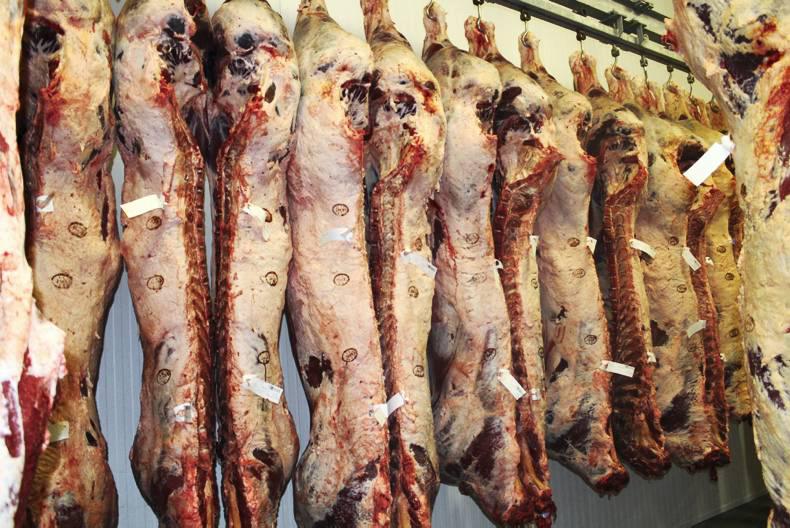
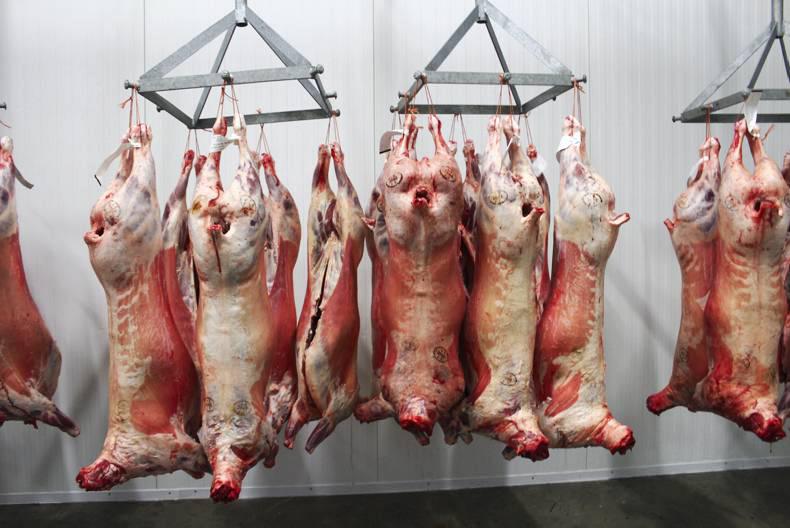
While the Troys have the capacity to handle up to 1,000 cattle in a week, in practice getting near this figure will be dependent on a large number of cattle contract-slaughtered. The business will more typically handle a couple of hundred cattle, each receiving the personal touch and a period of rest to totally de-stress animals prior to slaughter, which leads to more tender beef.
New abattoir and lairage
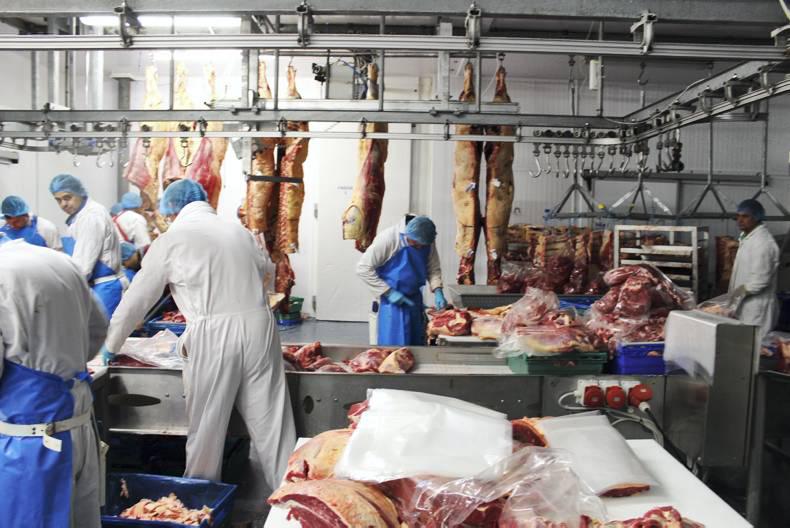
The company built a new abattoir and lairage with a new kill line last year, with the cutting plant and offices just five years old. The aim now is to get into export markets and grow the business without compromising its sourcing policy. That will be a challenge which the Troys will embrace and, based on their achievements to date, they are well capable of meeting the challenge.
As long as smaller companies like this can maintain a viable business, the better the options that are given to Irish farmers when selling their stock.





SHARING OPTIONS