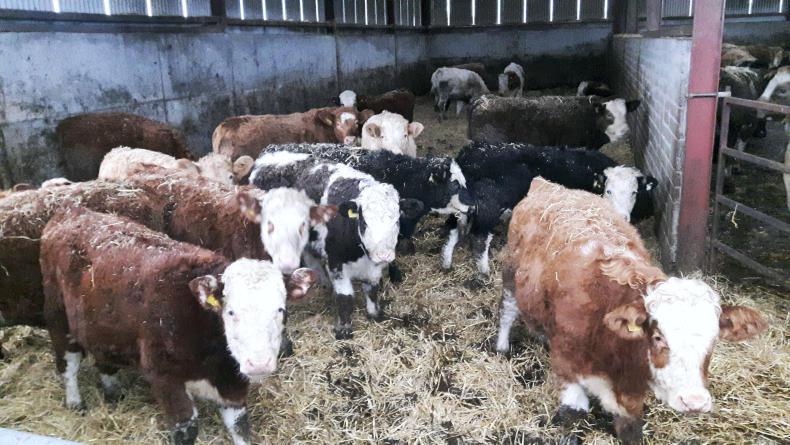
Worming: Late spring-born calves will require a worm dose now and it may be a good time to give these animals their second shot for clostridial diseases such as blackleg, if they have not already received it. Early spring-born calves and autumn weanlings that were wormed in late May or early June will also require another worm dose shortly, depending on which product you used. I have been talking to a couple of farmers who are having problems with lungworm as calves continue to cough, despite receiving a worm dose in June. The recent spell of wet, humid weather will cause high levels of worm activity in grazing ground so cattle can pick up new worm burdens straight after a dose. It may also be a good idea to change your wormer. Repeated use of the same product can lead to resistance building. Also, change the method of application this time round. If you previously used a pour-on, using an oral drench or injection-based product may give a more effective treatment this time. When using a pour-on, ensure that cattle are dry and apply evenly along the animal’s back. Make sure that there is no rain forecast for at least an hour after applying. Most wormers will cost €2 to €3 per dose, which is roughly the value of 1kg of liveweight gain.
Reseeding: Now is a good time to take out under-performing grazing paddocks for reseeding. This will give a new sward time to establish, receive a post-emergence spray and be grazed before autumn. There are different reseeding methods available and all are effective if best practice is followed. Having soils at the ideal lime, P and K status and getting good soil contact when sowing the seed is essential, regardless of the reseeding method. Burning off the sward before reseeding and using a post-emergence spray is also recommended. Grazing reseeds with light cattle will encourage tillering of the sward and is a better option than cutting the young sward for silage.
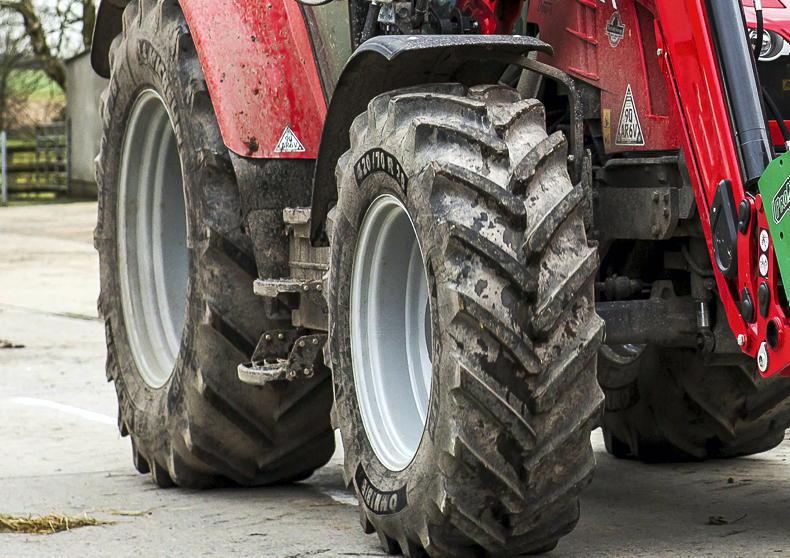
Farm safety: This week is farm safety week. Farming can be a dangerous job working with machinery and animals. Never assume that accidents will not happen to you or your family. Taking a few hours every week to carry out any repairs to machinery or buildings can go a long way to preventing accidents. Furthermore, never use machinery that you know is defective. Make sure that all machinery has the required guards in place. When children enter the farmyard, make sure they are supervised. Take your time when working with livestock and make sure that animals are restrained in secure handling facilities when completing routine health and management tasks. Safety is not an area where you want to cut corners. It is not just you who will suffer as a consequence of a farm accident. Your family will also be affected.
ADVERTISEMENT
Date for diary: The last of the summer BETTER farm walks will take place on 12 July at 2pm, hosted by James Strain, Burnfoot, Co Donegal. Further details on page 40.
Register for free to read this story and our free stories.
This content is available to digital subscribers and loyalty code users only. Sign in to your account, use the code or subscribe to get unlimited access.
The reader loyalty code gives you full access to the site from when you enter it until the following Wednesday at 9pm. Find your unique code on the back page of Irish Country Living every week.
CODE ACCEPTED
You have full access to the site until next Wednesday at 9pm.
CODE NOT VALID
Please try again or contact support.
Worming: Late spring-born calves will require a worm dose now and it may be a good time to give these animals their second shot for clostridial diseases such as blackleg, if they have not already received it. Early spring-born calves and autumn weanlings that were wormed in late May or early June will also require another worm dose shortly, depending on which product you used. I have been talking to a couple of farmers who are having problems with lungworm as calves continue to cough, despite receiving a worm dose in June. The recent spell of wet, humid weather will cause high levels of worm activity in grazing ground so cattle can pick up new worm burdens straight after a dose. It may also be a good idea to change your wormer. Repeated use of the same product can lead to resistance building. Also, change the method of application this time round. If you previously used a pour-on, using an oral drench or injection-based product may give a more effective treatment this time. When using a pour-on, ensure that cattle are dry and apply evenly along the animal’s back. Make sure that there is no rain forecast for at least an hour after applying. Most wormers will cost €2 to €3 per dose, which is roughly the value of 1kg of liveweight gain.
Reseeding: Now is a good time to take out under-performing grazing paddocks for reseeding. This will give a new sward time to establish, receive a post-emergence spray and be grazed before autumn. There are different reseeding methods available and all are effective if best practice is followed. Having soils at the ideal lime, P and K status and getting good soil contact when sowing the seed is essential, regardless of the reseeding method. Burning off the sward before reseeding and using a post-emergence spray is also recommended. Grazing reseeds with light cattle will encourage tillering of the sward and is a better option than cutting the young sward for silage.
Farm safety: This week is farm safety week. Farming can be a dangerous job working with machinery and animals. Never assume that accidents will not happen to you or your family. Taking a few hours every week to carry out any repairs to machinery or buildings can go a long way to preventing accidents. Furthermore, never use machinery that you know is defective. Make sure that all machinery has the required guards in place. When children enter the farmyard, make sure they are supervised. Take your time when working with livestock and make sure that animals are restrained in secure handling facilities when completing routine health and management tasks. Safety is not an area where you want to cut corners. It is not just you who will suffer as a consequence of a farm accident. Your family will also be affected.
Date for diary: The last of the summer BETTER farm walks will take place on 12 July at 2pm, hosted by James Strain, Burnfoot, Co Donegal. Further details on page 40.
If you would like to speak to a member of our team, please call us on 01-4199525.
Link sent to your email address
We have sent an email to your address. Please click on the link in this email to reset your password. If you can't find it in your inbox, please check your spam folder. If you can't find the email, please call us on 01-4199525.
ENTER YOUR LOYALTY CODE:
The reader loyalty code gives you full access to the site from when you enter it until the following Wednesday at 9pm. Find your unique code on the back page of Irish Country Living every week.






SHARING OPTIONS