



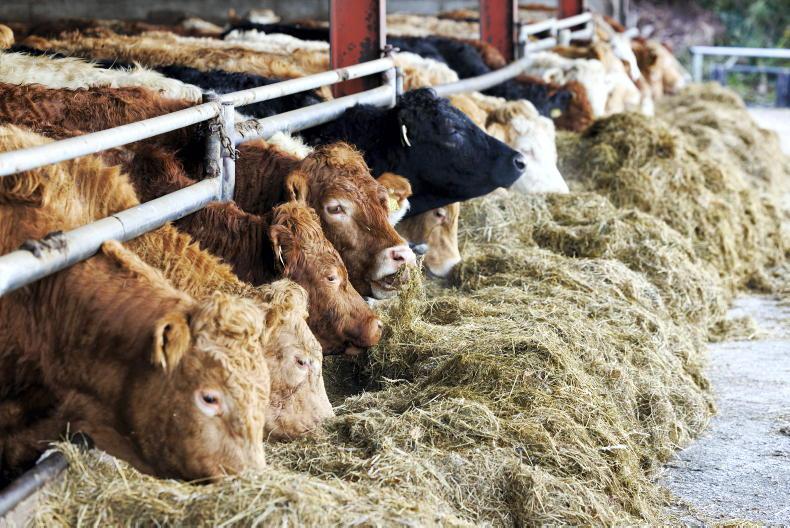
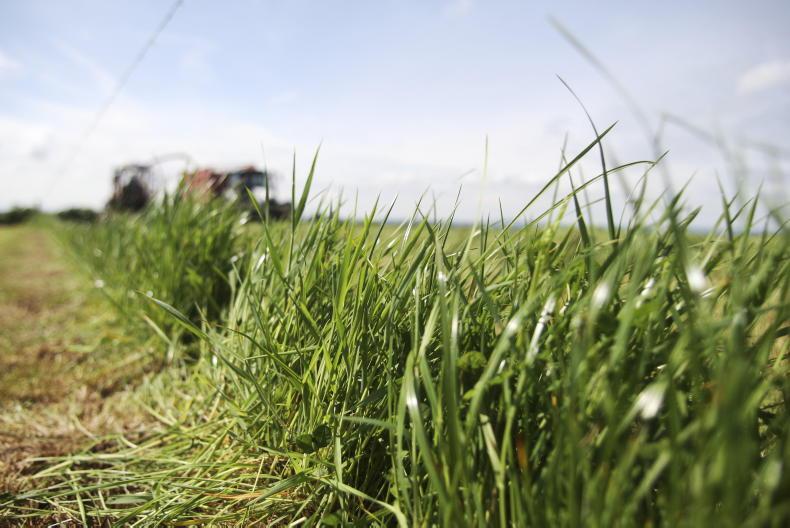
Fodder and grass supplies: Assessing fodder supplies on farm is critical, as the drought continues for many farmers operating in the east and south of the country. Compensatory growth will likely not kick in to the extent that it did back in 2018. Current long-range forecasts indicate a dry September and October. If this comes to pass, we will be looking at ideal grazing conditions but a lack of grass.
Recognising that there is a deficit of fodder on-farm now, as opposed to mid-winter, will allow for a plan to be put in place that will ensure that there is sufficient fodder for the stock on farm.
Suckler cows will need approximately 1.4 tonnes silage/month, with store cattle requiring 1.1-1.3 tonnes/month, depending on the level of meal feeding. Weanlings will require approximately 0.7 tonnes/month.
If fodder supplies are tight on farms, sourcing additional fodder from outside the farm may be a better option and securing this now, as opposed to later, ensures that the feed is available. With an early harvest in tillage crops, it may be also worth talking to neighbouring tillage farmers about cover crop grazing.
Another option available is to increase meal feeding levels in finishing stock. Doing this will reduce demand on fodder and should shorten the finishing period. Caution needs to be exercised that cattle have sufficient frame before going in with high levels of concentrates, otherwise cattle will become fat but carcase weights will be low.
Where cattle are traditionally kept over the winter months and finished, those tight on fodder might be better to sell stock live eg, cull cows, as opposed to buying in extra fodder. Weigh up the options for your own farm depending on your needs and enterprise, but plan early as opposed to leaving things to chance.
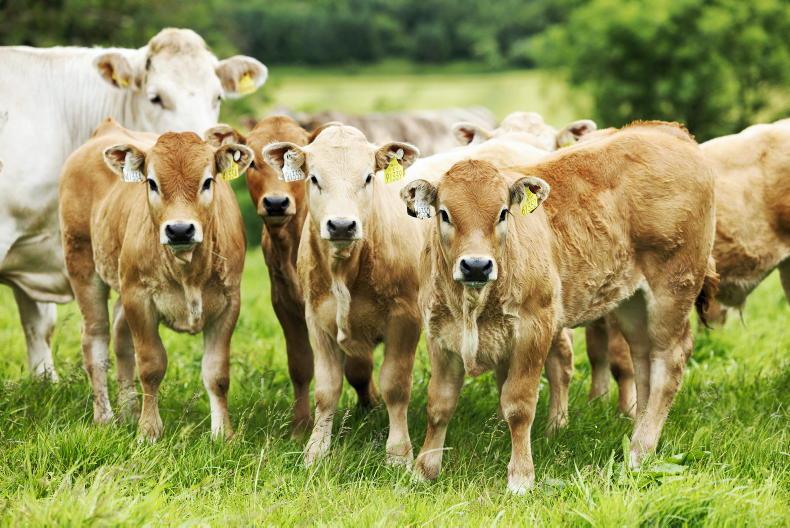
SCEP weighing: Year four of SCEP is currently underway, with weighing of cows and calves one of the tasks that may have to be completed in the coming weeks ahead of calves being weaned and possibly sold. Farmers must weigh a minimum of 80% of the reference number of calves to claim their full payment on this action.
For a calf to be deemed eligible for including their weights, it must be born in the herd, un-weaned and weighed with its dam on the applicant’s holding on the same day. Where a calf or its dam dies before five months of age, this must be recorded on the Animal Movement and Identification system (AIM). These animals will not contribute to the 80% target figure.
All calves being submitted for weighing must be eligible for the scheme. The calf must be a minimum of 50 days old before they are eligible to be weighed. Ideally, calves should be weighed between 120-150 days of age.
Weights should be submitted to ICBF within seven days of weighing and no later than 5.30pm on 1 November annually. Hard-copy forms must also be received by this deadline. Only registered scales used in accordance with the requirements may be used.



SHARING OPTIONS