


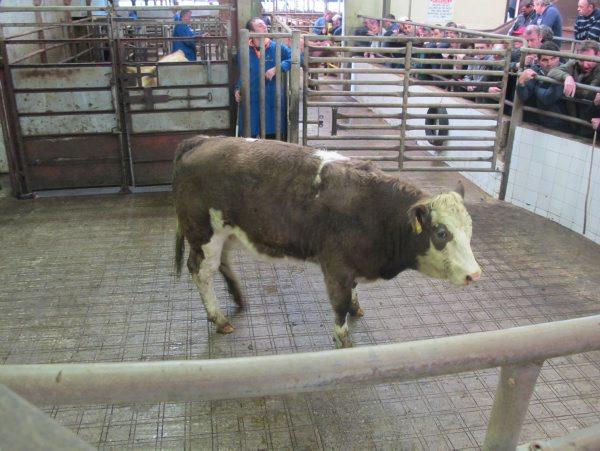
CASTRATING MALES: I have had a few questions lately on the merits of castrating male calves or keeping them as bulls. Bulls will deliver higher levels of liveweight gain and weight for age. But the one thing to be aware of is that bulls require the highest levels of stock management. They do not perform under hardship. With steers, there are fewer things that can go wrong. While the calf is still on the cow, there is generally little difference in performance between a bull calf and a castrated male up until weaning. Afterwards, there will be a difference in performance. Bull weanlings will have a much higher level of performance than a steer if it is managed correctly at grass. Daily gains of 1.5kg/day can be achieved on top quality grass and 2kg of concentrates between now and housing. Steers will do well to gain 1kg/day in the same period. However, if bulls are not managed correctly, they will struggle to gain more than 1kg/day leaving very little difference in housing weight between the bull and steer. The one thing I would say is that if you are thinking of changing to bulls, make sure you have a market for them. You cannot arrive at a mart with 15 month old bulls and expect to get the top price. With some factories paying on the QPS grid for under 16 month old bulls, along with the quality assurance premium of 12c/kg, there is a lot of interest in changing to this system. Killing bulls under 16 months of age is a highly specialised system and is not suitable for everyone. It requires higher levels of meal than the 20 month old bull system. If you are intent on changing, I would recommend trying 50% of your bulls in the first year to see how things go.
Finishing cattle at grass
Now is the time to sort through steers and heifers to see which animals are capable of slaughtering off grass in October. Ideally this would involve weighing cattle to determine their actual weight. If weighing is not an option, handle the cattle to see what level of flesh and cover is present. Heifers within 60kg to 80kg, and steers that are within 100kg off finishing weight should then be removed and re-grouped for feeding at grass. Start off by introducing 2kg of concentrates to these cattle and increase the meal every fortnight by 1kg. When finishing cattle at grass, energy is the most important part of the diet rather than protein, so a 12% ration is fine. This could be simply rolled barley on its own. Mixing citrus pulp will help with cattle intakes or purchasing a simple three way blend of barley, pulp and distillers.
Magnesium
Wet weather, warm days and cool nights is increasing the risk of Tetany in cows that are still suckling spring calves and freshly calved autumn cows. Where cows are grazing silage aftermath, the risk is increased. Ensure you have plenty of lick buckets in the field. Provide one bucket for every 10 cows grazing. Offering some hay or rough grazing will slow down the digestion of lush grass, reducing the risk.
Date for dairy
There will be a BETTER Farm programme open day on 13 August on Heinz Eggert's farm, Co Kildare. See page 42.



SHARING OPTIONS