


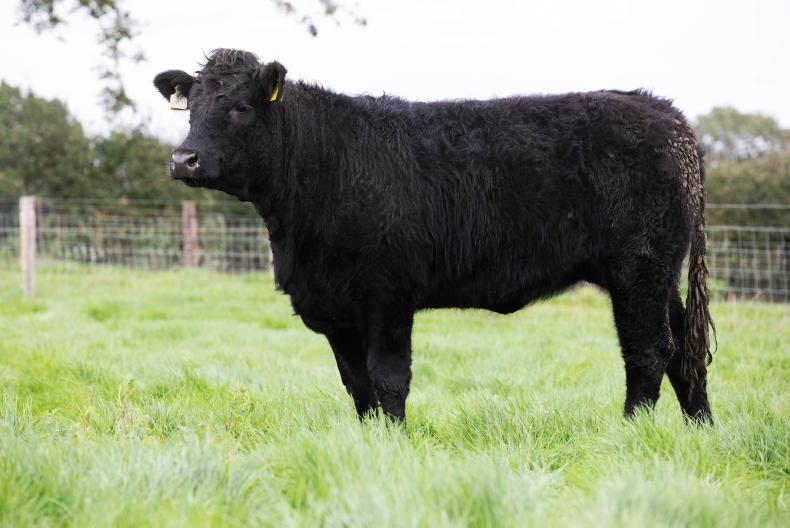
SCEP: On one of the key dates for farmers signed up to SCEP is fast approaching. Farmers signed up to SCEP must have a minimum of 65% of their reference number genotyped four- or five-stars on the replacement index (on a within or across breed basis) at the time of purchase (for replacements brought into the herd) or at the time of genotyping (for those replacements bred within the herd) by 31 October this year to avoid penalties. Females must be at least 16 months old to qualify as part of this 65% minimum number.
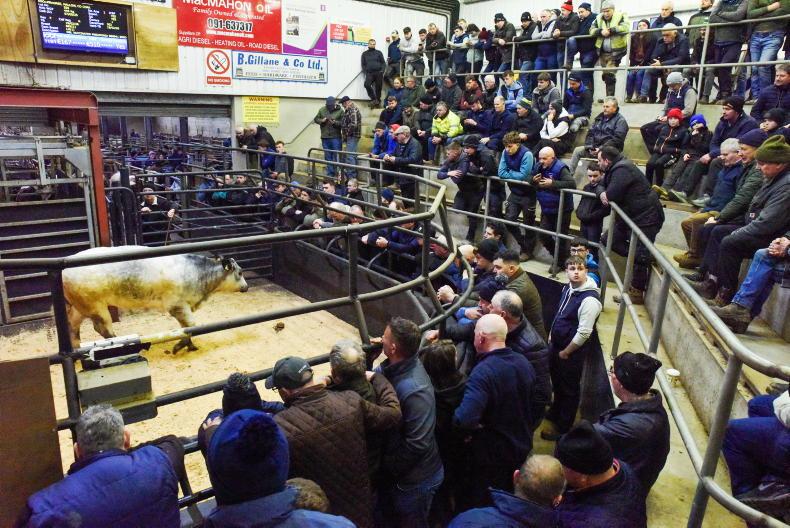
There are several special sales to include SCEP-eligible heifers in the coming month. For farmers looking to purchase heifers, they can view details through the ICBF page.
Visit the ICBF website, at www.icbf.com. On the homepage click on ‘Mart Tracker’ and select your mart location to see what animals are entered for that day. Detailed animal info can be viewed including: replacement index, genotype status and breeding information.
For farmers looking to sell surplus heifers, again go to the ICBF and click Menu > Services > Stock Express. Select ‘Sell’ and then ‘View all upcoming sales’ – a list of upcoming SCEP-eligible sales will appear.
Choose your preferred sale and all qualifying heifers from your herd will be displayed. The heifers you wish to enter in the sale can then be selected.
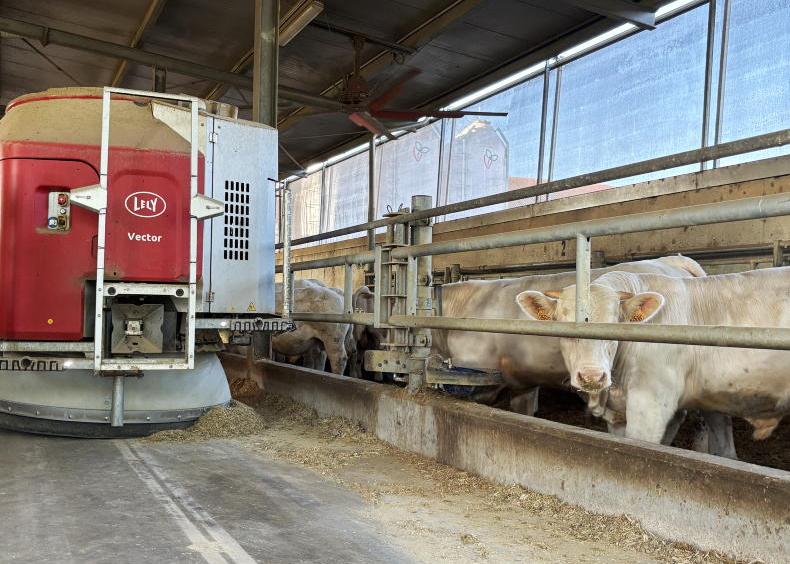
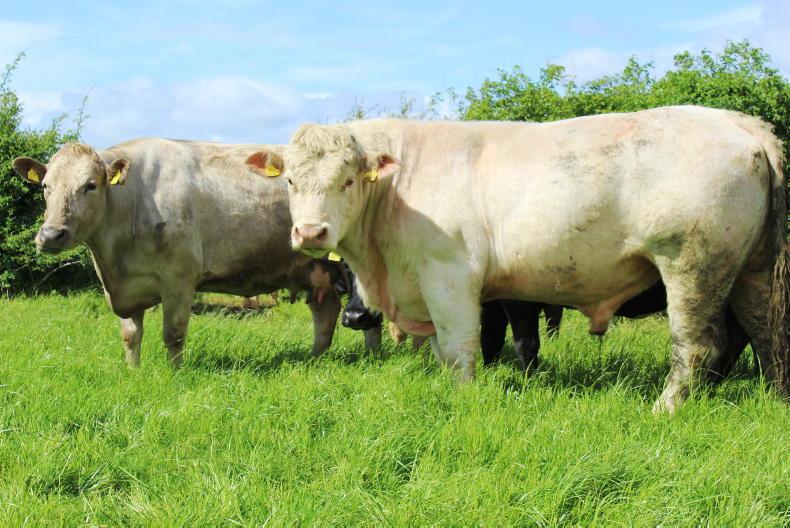
Grassland management: Reports from farmers are indicating that while grass supply is good on farms, stock are flying through covers at a rapid rate, while dry matters aren’t anything to write home about. In this case, it would be wise to start looking at housing at least some animals. Forward store cattle are the obvious option for those finishing beef, as growth from grass is variable at best and these cattle will probably thrive better indoors at this point.
Spring calved sucklers that are weaned are also likely better indoors where there is youngstock on farm, to prioritise remaining grass covers for them. Where weanlings are at grass, some concentrate should still be in the diet to combat low dry matter grass, but also to reduce digestive upsets when these cattle are housed for the first time. Where meal is fed at grass and at housing, the constant in the diet is meal, so even if it takes a few days for weanlings to develop a taste for silage, their rumen is still working away digesting meal.
Ration composition: Ration is at a relatively good price with regard to beef and weanling prices, but it still important to shop around for the best price, but also for the best quality feed. Cheap ration can be cheap for a reason. Look for the inclusion rates of the cereals etc. in the ration.
High-energy sources like maize and barley should make up the bulk of the feed, with fibre sources such as beet pulp and soya hulls also in the mix. Digestible protein sources (eg, soybean meal, rapeseed, peas or beans) and added minerals, vitamins are also desirable.



SHARING OPTIONS