


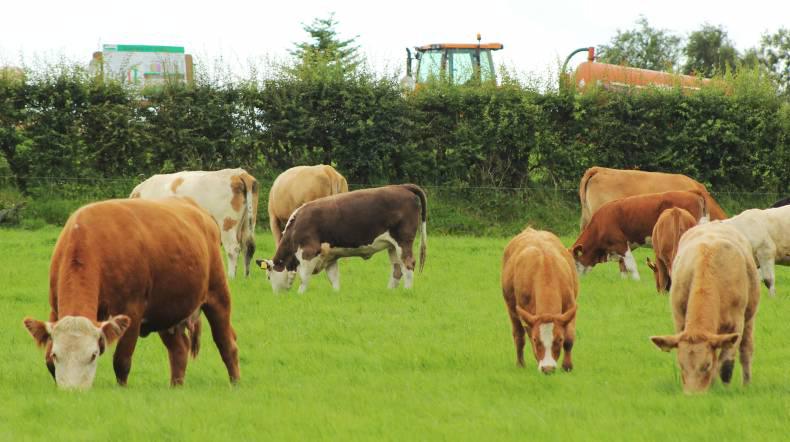

“Getting more calves weaned every year, getting more kilos weaned every year and doing this from grass means more money coming into the system. Having a weighbridge and using it tells me which cows are performing and which cows are passengers and costing me money” says Co Donegal BETTER farm participant James Strain.
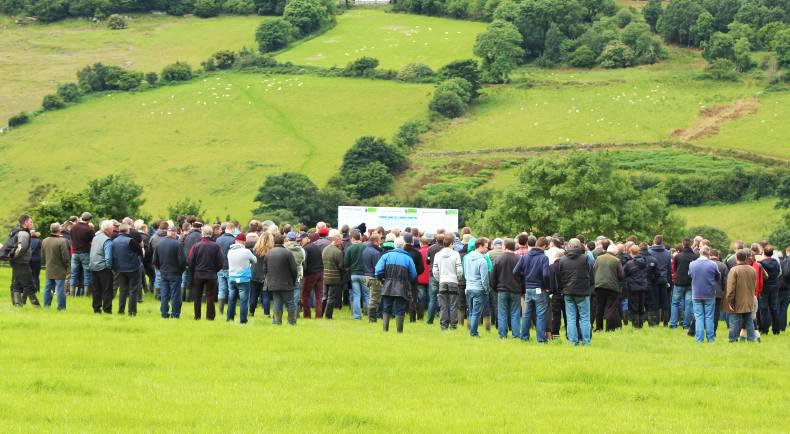
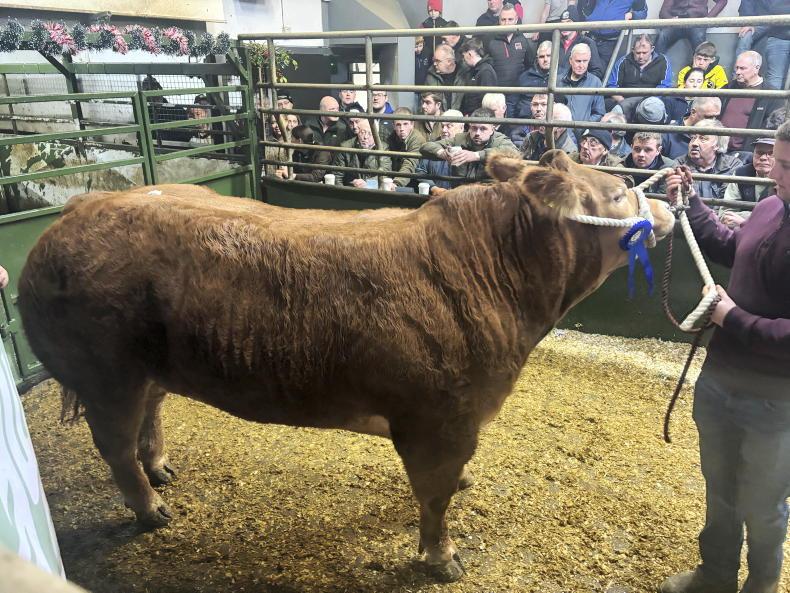
Big turnout for the BETTER Farm open day at James Strain's farm, Donegal. @farmersjournal @teagasc pic.twitter.com/Dm8qPtoXxh
— kieranmailey (@kieranmailey) July 12, 2016
Along with his full time job in Inishowen Co-op, James runs a herd of 33 suckler cows calving from November to late January, near Burnfoot in the east of the county. He is well supported by wife Dawn and daughter Gemma. Farm size is 21.3ha.
Stocking rate
On joining the BETTER Farm programme in 2012, stocking rate was high at 2.49LU/ha with a gross margin of €471/ha.
Stocking rate has decreased to 2.01 LU/ha, yet gross margin is now €629/ha with potential to grow further. Doing the basics well has led to an increase in profit despite fewer cattle on farm.
The farm is generally heavy in nature, so the current stocking rate is much more manageable compared to 2012 levels. His current stocking rate is still considered high and approximately 0.5LU/ha higher than the national average.
Despite the reduced stocking rate, there has been an increase in liveweight output on farm. More calves weaned and heavier sale weights have generated higher sales income. Since 2012, variable costs have dropped by €200/ha to €740/ha in 2015.
Male calves are sold at 10 to 11 months weighing close on 500kg liveweight. Heifers are kept for breeding with surplus females sold as stores at 17 months and 550kg liveweight.
At the outset of the programme, James identified three areas that needed to be addressed:
Milk
To address the first objective of increasing milk yield in his cows, in 2012 he started to cull hard on older cows or cows that consistently weaned poor calves.
Ten Friesian cross Simmental heifers were purchased and have been used as a base for breeding all future herd replacements. As such, milk yield has greatly increased. Calf performance has seen a dramatic increase as a result.
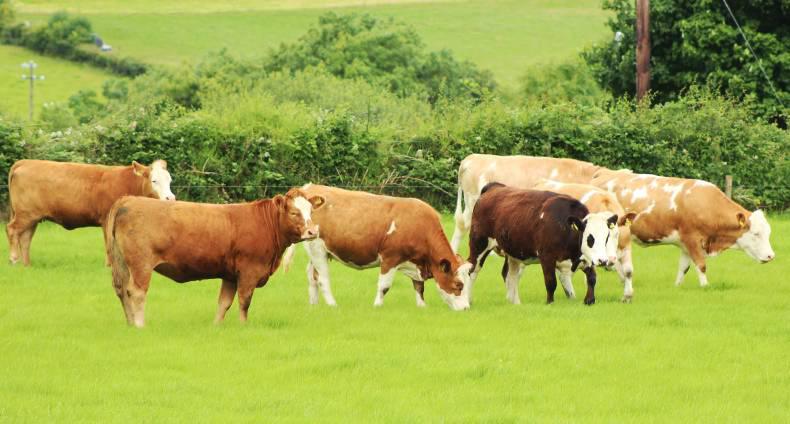
5 star maternal cows1.97kg/day to weaning on james Strain's farm. Incalf heifer bred to Sim bull @farmersjournal pic.twitter.com/KZPC4JMD9J
— kieranmailey (@kieranmailey) July 12, 2016
Bull calves have seen daily liveweight gains increased from 1kg/day to 1.6kg/day while on the cow. Heifers are achieving similar weights. A few individual calves gained 1.97kg/day from birth to weaning last year with a high percentage of this gain coming from grass.
Silage
Prior to the programme, James would have typically made 66 to 68 DMD silage. Silage is now 75 DMD or better. The net result is a saving of 120kg of meal fed per cow during the winter period. Meal is only fed for 60 days post calving. The result has seen a drop in purchased meal by 3.9 tonnes, saving €950 per year.
“I don’t have a set cutting date. Instead, I just monitor grass quality closely and when seed heads are starting to show, that is when I will cut my silage. I have found that with better quality silage, cows don’t need to eat as much silage and there is no waste.
This helps to offset the slight reduction in yield. Cows are now always in better body condition during winter which helps with cow fertility and milk production. Better fertility has helped to tighten the calving pattern to 11 to 12 weeks which is a big time saving for me.”
Focus on making top class silage on James Strain's farm - avg saving of 3.8t meal on farm/year @farmersjournal pic.twitter.com/3DJHRXiDuY
— kieranmailey (@kieranmailey) July 12, 2016




SHARING OPTIONS