


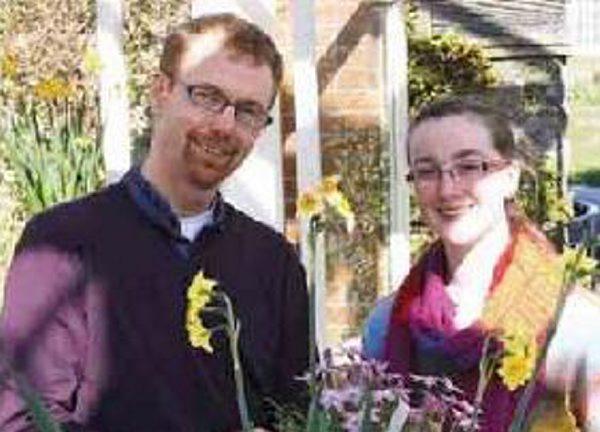
Broadly speaking, horticulture can be described as the study of plant cultivation. However, a degree in the subject can lead to a wide range of careers - from landscape management to medical research. Combining academic and practical knowledge, the BSc in Horticulture in DCU has been up and running since 2011.
The course is administered jointly by DCU and Teagasc, and is split between lectures in the college and practical work in the Botanic Gardens. Dr Paul Fitter from Teagasc, who teaches in the Botanic Gardens in Dublin, explains why the new course was introduced and the kind of career opportunities that are out there for horticulture graduates.
"As the Botanic Gardens are just across the way from DCU, we thought there was a great opportunity to establish a horticulture course which would combine the scientific knowledge of DCU with the expertise of Teagasc and the Botanic Gardens," he says.
"The course is a perfect combination of academic and practical work, and the Botanic Gardens has a wealth of plants and facilities.
"Horticulture is a diverse field and there are plenty of career opportunities in Ireland and abroad," he continues.
"The path students go down will depend on their specific interests. There is a perception that horticulture is just gardening, when in fact it is a much broader discipline. For example, as part of the course, we look at the medicinal properties of plants. Ecology is another important part of the degree, and so is food production. Graduates could work anywhere from a golf course to a laboratory."
But what exactly does the course involve? Paul explains that the first year in DCU will be spent doing foundation modules in subjects such as maths, biology, physics and chemistry, while the following three years are much more practical.
"In second year, students take more horticulture modules like soil management, plant production and ecology. In year three, students learn about design and construction and arboriculture and spend the second semester on an off-campus placement. They will undertake a research project in year four," he says.
As the course is only two years old, next year will see the first group of horticulture students from DCU embark on placement.
"Gaining work experience is very important. Students can see what the world of work is all about and will come back to college more enthusiastic about the course," says Paul.
"Teagasc and DCU have plenty of links and the college is actively involved in finding jobs for students."
So how do school-leavers know if horticulture is for them? Paul says it is an ideal discipline for anyone interested in science and outdoor work.
"People who like science, working outdoors, plants and the environment are suited to horticulture," he says.
"If you are from a farming background you should have a good feel for horticulture.
"Students should be able to do well in this course with only one Leaving Certificate science subject. Anyone considering this course also needs to be good at maths," he adds.
As the course is relatively new, there are plenty of new developments afoot.
"We are due to have a brand new classroom in the gardens in September and new greenhouses are being built at our research centre in Ashtown," says Paul.
"Students have set up a horticulture society in DCU and are always organising events. We also hope to become more involved in the community garden in the college."





SHARING OPTIONS