




A major milestone for science communication was reached recently with the official launch of the All-Ireland Science Media Centre in Airfield Estate, Dundrum following a successful pilot last year.
The event brought together science communicators and scientists as well as funders and supports and representatives from universities, media and industry, to celebrate the establishment of the new all-island organisation designed to strengthen accurate, evidence-based reporting across the island.
In essence, the All-Ireland Science Media Centre, which will be based in Airfield, is an independent press office working to increase the breadth, depth and quality of science reporting across the Ireland, amplifying expert voices when topical issues are in the headlines.
It now joins a global network of eight Science Media Centres across the world including those in the UK, Australia, New Zealand, Taiwan, South Korea, Germany, and Spain. The network is actively expanding its database through connecting researchers with media outlets across the world.
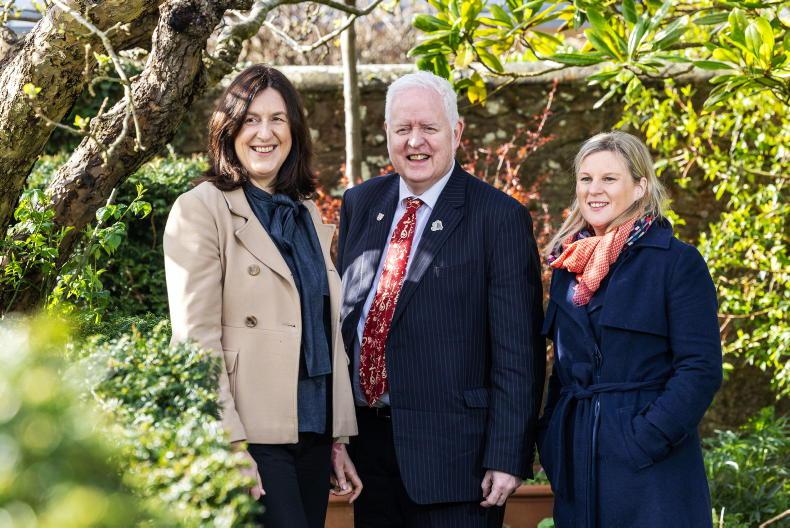
Claire Mac Evilly, CEO of Airfield Estate and chair of the All-Ireland Science Media Centre, says this centre is essential for providing accurate information for policy making and public understanding of scientific issues.
“In an era where misinformation spreads faster than ever, the All-Ireland Science Media Centre will be a crucial link between scientists and the media, improving the accuracy of science in public debate,” Claire said at the launch.
The role of the centre is to encourage people to engage with accurate science, particularly within the food and agriculture space.
“What we do is link scientists to journalists to ensure there is better reporting of science by the press. We are bombarded with misinformation at all levels and topics, particularly within food and nutrition, where everyone is an expert as everyone eats. For us, it is making sure we have the right experts within the food and agriculture space to engage with journalists and make sure they are getting sound, accurate evidence out to the public,” she explains.
Bridging the gap
A panel discussion took place at the launch, moderated by Jonathan McCrea, science journalist and presenter of Future Proof on Newstalk. Titled, ‘Why science needs a seat at the breaking news desk,’ the discussion focused on the importance of bridging the gap between emerging evidence and public understanding.
Mark Lawler, professor of digital health at Queen’s University Belfast, and co-lead of the All-Island Cancer Research Institute, emphasised the need for accurate, evidence-based reporting. He highlighted the value of trusted institutions such as the Science Media Centre (SMC), noting that they provide reliable, evidence-driven information rather than opinion and speculation.
Prioritising evidence above all else is key, according to Prof Lawler.
“The Science Media Centre (SMC) brand is so important because that’s where you go if you want to find out what the real truth is, not what people are spinning,” Mark said.
However, the discussion also addressed the reluctance among scientists to engage with the media, particularly in one-on-one interviews. This hesitation stems from concerns about being misquoted, presenting incomplete research or having findings taken out of context.
Dr Sinéad Waters, principal investigator in microbiology at the School of Biological and Chemical Sciences and Ryan Institute in the University of Galway, acknowledged the responsibility and the challenges scientists face when communicating with the public.
“I do agree that as we are publicly funded, we have a duty to inform the public because informed citizens make better decisions and informed policy makers make better policy decisions, and we are all part of that jigsaw, to make the right decisions for a better society for all of us. But we are not very comfortable, normally speaking to journalists,” she explained.
During the panel, Sinéad also highlighted the need for trustworthy scientific voices in an increasingly noisy information landscape shaped by social media and misinformation.
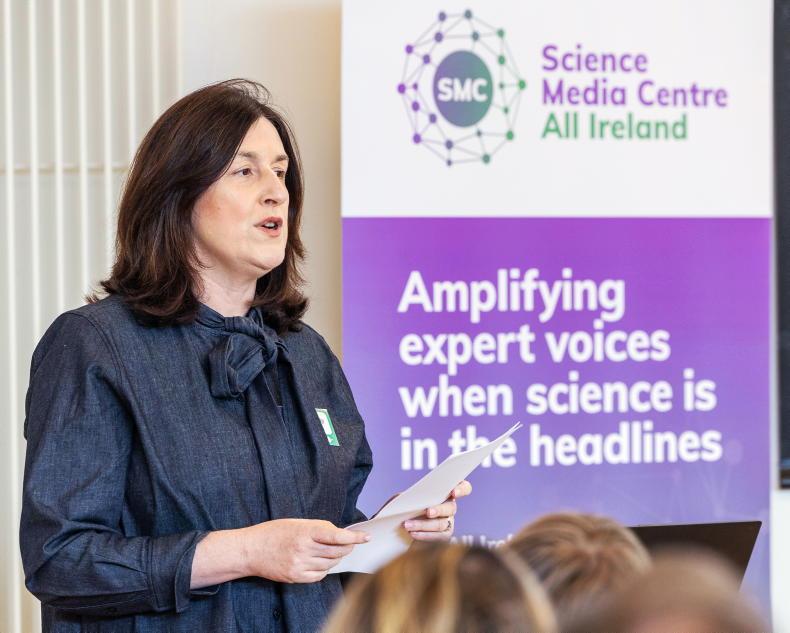
“I think amongst all the noise we see out there from social media and from all these conspiracy theories and everything, we do need voices of certainty backed up by validated data, backed up by peer review and published data that we can actually tell the truth and gain trust.”
A key gap identified during the discussion was the need for stronger communication and translation skills among scientists. Sinéad stressed that research should not remain confined to laboratories or academic journals but should be made accessible to the public and industry where it can have a real-world impact.
“We don’t want to leave the research in the lab or in a peer review paper when it can be picked up potentially by the public or industry to make it better or to improve lives.
“I think we need some help with distilling down our message and communicating it appropriately, but it has to be based on the work that was done on the study in particular,” she said.
Prof Mark Lawler warned against the tendency to avoid discussing science because it is perceived as too complex. Instead, he stressed the importance of making scientific research understandable and accessible, ensuring the public can engage with accurate information.
Impact on the ground
Ahead of the launch, the All-Ireland Science Media Centre sought the views of Irish and Northern Irish scientists taking part in the initiative.
It found that 23% of scientists believe scientific issues are reported poorly in Irish media, while just over half (52%) describe current coverage as average. Despite these concerns, scientists expressed a strong interest in engaging with journalists.
The most common motivations were informing the public (83% of those surveyed) and ensuring their field of expertise is accurately represented (63% of those surveyed).
The All-Ireland Science Media Centre provides a practical bridge between scientists and the media, collating expert commentary so journalists can quickly access reliable scientific insights when major science stories break, and scientists can streamline their media engagement.
A question or topic can be posted on the platform, where scientists and researchers who are experts in the field of inquiry can respond with accurate and factual information, ensuring correct information on topical issues goes back to the general public through trusted media outlets.
See sciencemediacentre.ie


SHARING OPTIONS