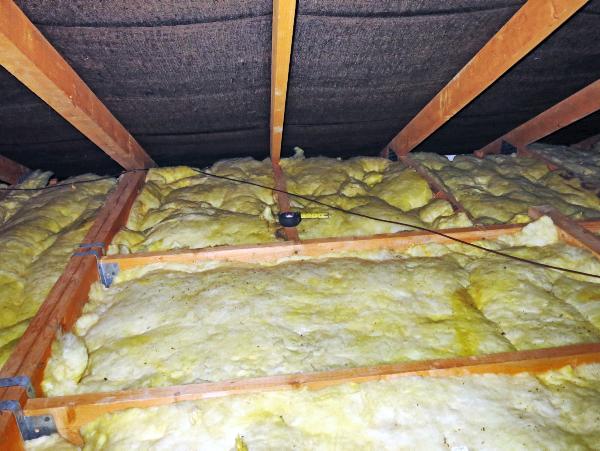
Picture one
Here, as in most two storey houses, the roof insulation is on the floor of attic space, rolled out between the timber joists. There is no insulation at the rafters, under the tiled roof. This means that the heat from the central heating is kept below the attic floor and the attic is allowed to more or less follow external temperatures.
This is the original roll out mineral wool type insulation that was installed 30 years ago. It was a 100mm (four-inch) deep layer which was typical
Picture two
The farmer has never had a problem with pipes freezing in the attic, which is a good thing. However, it is also a sign that heat is escaping up into his attic. The insulation on the water piping is minimal and some lengths of pipe and valves, etc, are not insulated.
When more insulation is added, the attic will become colder and there will be a higher risk of a burst pipe and water damage.
It is important that the homeowner similarly steps up the insulation on the water pipes an
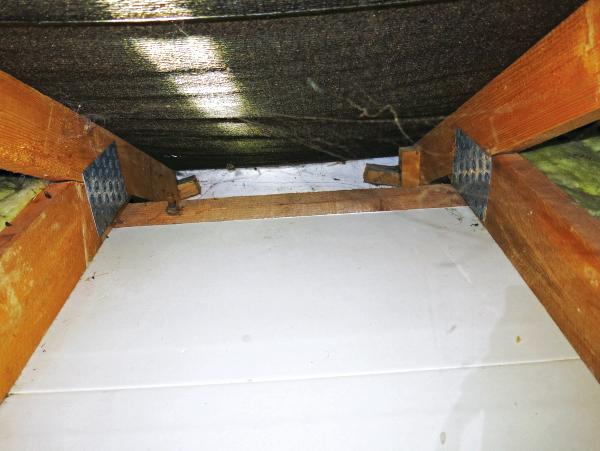
Pictures three
I pulled back the insulation from the edge of the attic to show the eve ventilation opening. It runs along the edge of the roof and allows an airflow which keeps the roof timbers dry enough to prevent mould attack.
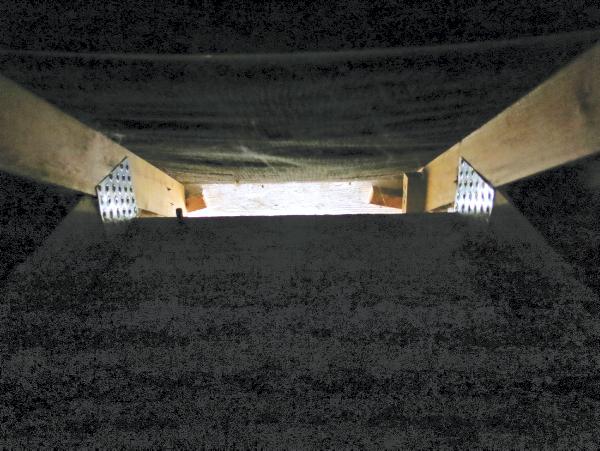
Picture four, with no camera flash, shows the size of the opening.
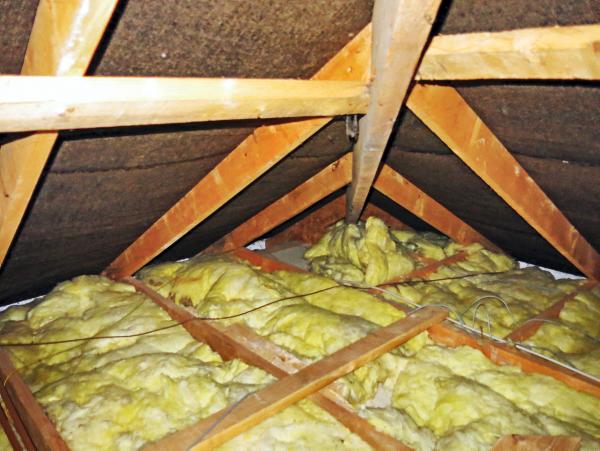
Picture five
In a number of places in this attic, the insulation has been disturbed by tradesmen and not replaced. Here, it was lifted — years ago — to allow electric cable to be brought across to an external wall light. The bare ceiling plasterboard of the room below has been exposed, and heat escaped, in the intervening years.
Again, we note how the insulation has compressed and is below the level of the joists. The bat hanging from the rafter shows that the air vents are open.
Nowada
The house is two storeys high, 30 years old and has oil-burning central heating. The owners plan to have the attic re-insulated to a higher standard. This was prompted by the recent cold winters, escalating heating costs and higher awareness of the benefits of insulation.
ADVERTISEMENT
Register for free to read this story and our free stories.
This content is available to digital subscribers and loyalty code users only. Sign in to your account, use the code or subscribe to get unlimited access.
The reader loyalty code gives you full access to the site from when you enter it until the following Wednesday at 9pm. Find your unique code on the back page of Irish Country Living every week.
CODE ACCEPTED
You have full access to the site until next Wednesday at 9pm.
CODE NOT VALID
Please try again or contact support.
The house is two storeys high, 30 years old and has oil-burning central heating. The owners plan to have the attic re-insulated to a higher standard. This was prompted by the recent cold winters, escalating heating costs and higher awareness of the benefits of insulation.
If you would like to speak to a member of our team, please call us on 01-4199525.
Link sent to your email address
We have sent an email to your address. Please click on the link in this email to reset your password. If you can't find it in your inbox, please check your spam folder. If you can't find the email, please call us on 01-4199525.
ENTER YOUR LOYALTY CODE:
The reader loyalty code gives you full access to the site from when you enter it until the following Wednesday at 9pm. Find your unique code on the back page of Irish Country Living every week.






SHARING OPTIONS