



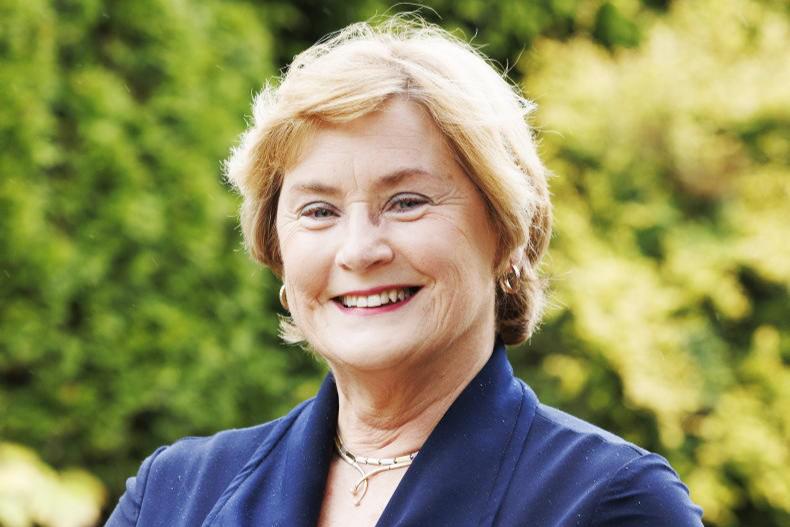
Every family is unique and each farm is different. That is why a succession plan has to be specifically designed for the family and the farm. Having a successor to the farm is so rewarding. It opens all sorts of possibilities and opportunities for the farm business.
Business is probably one of the most important words in this conversation. I think many farmers would aspire to passing on the farm to someone who will continue to farm and develop the business.
It has to be a profitable operation, providing incomes for those who work in the business and security for the couple retiring. Where the farm is a part-time operation, then the approach may be different.
Positivity for the future
I remember looking around the kitchen table at my little children and wondering which one would be the farmer or would there be more than one farmer. There was always a sadness that Julie wouldn’t have the physical ability to farm as a result of her cerebral palsy and Diarmuid too, due to down syndrome. Then there were Philip and Colm both stuck in the yard from a very young age.
Diarmuid was on the farm too but back then, I didn’t see possibilities for him. Feeding calves was their first real job. I love rearing calves so it was inevitable that they would learn that passion. I recall the lads milking cows with Tim from crates. Positivity about farming and what we do is the first golden rule if you want to have a successor.
Tim and I have that in spades. We always spoke positively about our love of farming, being custodians of the countryside and how lucky we were to have flexibility. I remember with absolute fondness the 15 years I spent at home farming with Tim and rearing our growing family. We shared school runs. We had a lot of hospital appointments with Julie and Diarmuid. We made money. Some years were tough.
We always spoke positively about our love of farming, being custodians of the countryside and how lucky we were to have flexibility
We know that farming is cyclical so a bad year was endured and a good year celebrated. The good year was the time we put away money for investment or for digging us out of a hole when required. We never entertained the thought that we wouldn’t have a successor.
The stages
During their teenage years, they blew hot and cold a bit. We even asked the question sometimes of each other, if they had any interest in farming at all? We recognised that their interests were in other things and that friends were king at that time in their lives.
A critical element of cultivating a successor is to pay them for their work on the farm. Family labour is not free labour but it is invested labour. Exploring the world of agriculture is important to understand the bigger picture. We took our children to farm events, the Ploughing Championships, farm walks and Teagasc open days. I can’t stress enough how important it is to cultivate a positive attitude by your own actions.
There is no place around your kitchen table for comments like “if you’ve any sense, you’ll get away from this place” or “farming is drudgery, do something else”. We were determined that they would get the appropriate university education for whatever path they chose, including agriculture. You need to plan for this. If your children are small, take out an education savings policy.
That removes the stress of trying to find the money. No more than any other career, you must plan for it. We did. Do not rule out the girls. During the university years, encourage them to get immersed in it, even to travel and work in a different country. Believe me, you can wait another year or two. It’s then the fun starts. We’ll explore that next week.


SHARING OPTIONS