


Travelling to Tullamore Show at the weekend it was really apparent that the good weather is giving farmers a great opportunity to get field work done.
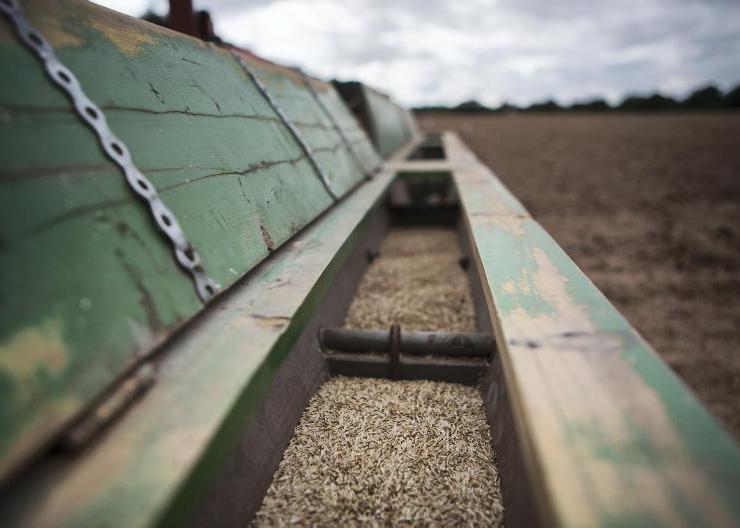
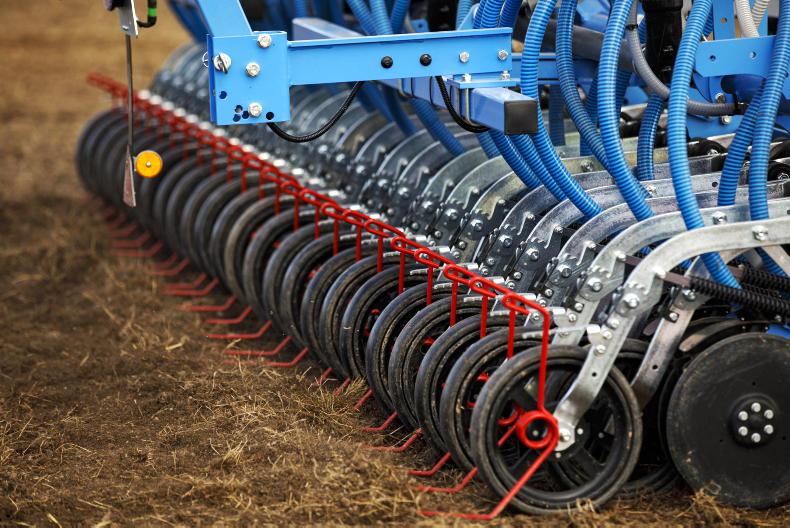
Numerous fields were being drained and reseeded and with plenty of silage made it's hard to argue against improving land this back-end.
However, as the song goes its later than you think.
Fields sprayed off with round-up now, won’t be grazed again until the first week of October. It’s a long time for a field to be out of production but that is the reality of autumn reseeding.
There’s usually a 60 day turnaround time with autumn reseeding, while spring reseeding is a little bit shorter at 50 days. And that’s with doing everything by the book and hoping all goes according to plan.
Most dairy farmers will require ground to be back in production before early October. This is so that they can lower their grass demand and allow the farm to build up grass.
It’s a different story on many beef and sheep farms as demand for grass reduces in the autumn anyway, as cattle or lambs are sold.
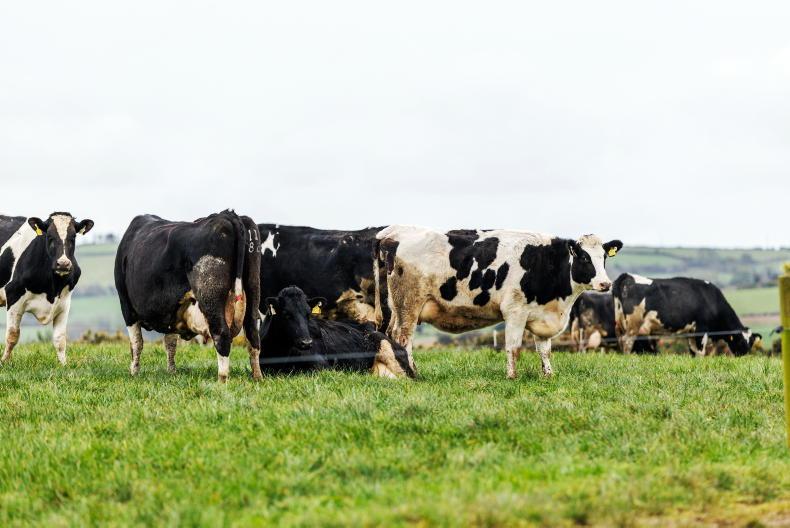
But on dairy farms the demand for grass is very consistent and when growth rates tail off in the autumn, it gets harder to build up grass covers.
Therefore, taking land out of production for reseeding needs to be carefully considered. On the one hand reseeding old pasture is a good thing, but on the other hand if doing that makes you tight for grass then maybe it should be reconsidered.
It’s definitely a bit late to be sowing red clover or multispecies. These crops should be sown earlier in the year to ensure they are strong enough to get through the winter.
The risk is that they will not have developed enough root reserves and will then struggle to survive in the cold, dark days of winter.
It is even late for white clover establishment now too. It is not too late for grass seeds but if you’re hoping for good grass and clover establishment it might be better to wait until spring.



SHARING OPTIONS