


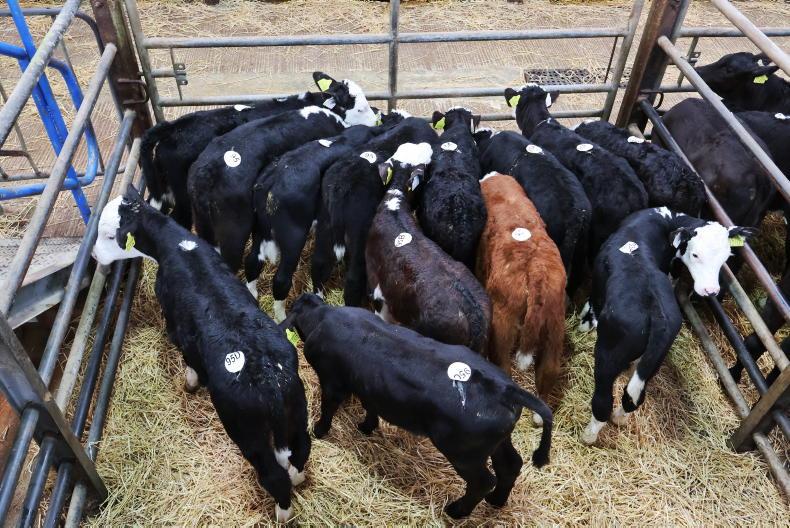
Good grass growth and silage making weather usually means a quiet time in veterinary practice. However, a recurrent problem in recent weeks has been vitamin B1 deficiency in calves. Most have been individual cases.
Also known as CCN (cerebrocortical necrosis) vitamin B1 deficiency causes brain swelling and damage to the cerebrum, usually in young animls at grass in early summer. Often confused with meningitis, the usual presenting sign is blindness. This can be followed by head pressing, head facing upwards, involuntary eye movements and collapse with paddling movements of the limbs.
Cattle do not depend on their diet for their source of vitamin B1, as it is usually produced by bacteria present in the rumen.
However certain situations can result in lowered production by these bacteria, leading to a deficency. Causes of reduced B1 production include grazing of lush low fibre grass, high concentrate diets or recent dosing for worms.
The good news is that early treatment of this condition is generally sucessful, with most calves recovering their sight over a few days. Treatment consists of vitamin B1 injections, accompanied by supportive therapy such as fluids and antiinflammatories.
Vitamin B1 is excreted quickly from the calves bloodstream, so treatment is usually given at least twice daily.
Calves that are blind need to be housed in a safe environment where they can find feed and water easily.
Once the calf can see again and is back eating she can be returned to the herd. Where there are multiple cases of CCN in a herd, a ration with added vitamin B1 can be used to prevent further spread of the disease. Given that it is usually produced by bacteria in the calves rumen rather than supplied by the diet, it is difficult to assess the usefulness of feed added vitamin B1 to prevent it, but it does seem to be effective in some cases.
Michael O’Meara works at Gortlandroe Vet Clinic, Nenagh, Co Tipperary, which is part of XLVets, a group of progressive practices working together to achieve a better future for agriculture and veterinary in Ireland. For further information go to www.xlvets.ie.




SHARING OPTIONS