


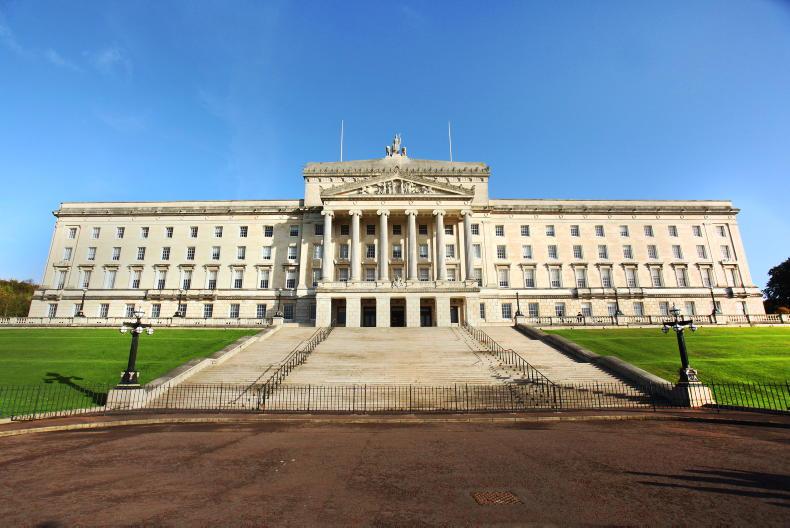
At the UK Parliament’s Liaison Committee in mid-December, it was a little surprising to hear a Labour Prime Minister make the case for fewer government bodies and quangos.
Normally you might expect a left-leaning party to advocate for more public sector spending, but clearly Prime Minister Starmer is frustrated at the ability to get things done.
In particular, he hit out at the level of regulation within government, the endless public consultations and the number of government-funded public bodies.
He suggested that when government makes a mistake, the reaction is often to put in place another procedure, another body or another consultation.
In so doing, our political leaders leave themselves less able to make decisions and less powerful. Ultimately, government gradually grinds to a halt.
The same is happening at Stormont, and there are plenty of examples of key issues getting bogged down in expert reports and impact assessments.
In the rare event that a Stormont minister does take a controversial decision, we have then created a situation where lawyers get involved and block progress through the courts.
In that vein, it remains a source of immense frustration that a targeted cull of badgers to help control TB (and unlock other TB initiatives) was blocked by a judicial review led by an English campaign group in October 2023.
Looking ahead, Agriculture Minister Andrew Muir has committed to new plans for wildlife intervention, although one of his immediate priorities is to get an independent environmental protection agency (EPA) off the ground.
This new body would take on the enforcement work currently within DAERA’s NI Environment Agency. However, without support of all the major Stormont parties, the EPA is unlikely to happen in the short term.
If we are to take the words of Prime Minister Starmer literally, it would probably not happen at all.
It is hard to disagree with Starmer – there are more than enough civil servants, government departments, ministers and MLAs in NI as it is.
We need civil servants freed of red tape, ministers making decisions and MLAs scrutinising and amending those decisions. If the decisions are wrong, the ballot box has the final say.




SHARING OPTIONS