


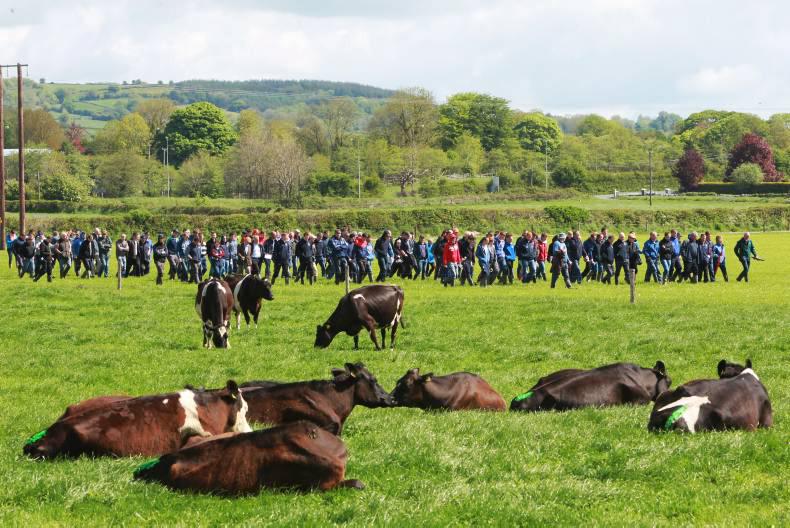
Farming in one of the most concentrated grass-based dairying regions in the world, Nigel Lok has an interesting story. Starting out as farm manager 32 years ago, he now owns and farms 230ha, milking over 900 cows. Cows walk to pasture every day – similar to Ireland – and that can be up to 6km per day.
Nigel’s farm is based in the Eastern Cape of South Africa, along the Garden Route. South Africa produces three billion litres of milk per year (40% of the island of Ireland output), with this region producing 30% of the country’s milk.
This is up from 12% 10 years ago when the country was only producing two billion litres of milk.
Most of the milk produced on this farm is sold as UHT (long shelf-life milk) within the country.
This situation is, of course, very different to Ireland where the vast majority of all milk is processed and exported out of the country.
The climate is mild, with minimum temperatures of 5°C and maxima of 28°C. Rainfall ranges from 700mm to 1,400mm (56in) per year. Mild temperatures and high humidity leads Nigel’s key risk.
“We have to contend with a lot of bugs and animal diseases, which means we have to dose, dip and inoculate for every disease under the sun,” he explained.
Nigel listed out diseases such as redwater, gallsickness, anthrax, lumpy skin and three-day stiff sickness, besides the usuals such as BVD.
Cows
Nigel now milks over 900 cows mainly on grass, with quite a bit of supplementary feeding, including a lot of apples that he gets from a local apple juice company. Cows in winter get up to 7kg DM apple, 8kg ryegrass and concentrates fed individually.
Nigel has strong views on cross breeding and believes that he made a mistake 15 years ago by “following the pack” and cross breeding with Jersey genetics on his mainly Holstein Friesian herd.
Ten years ago, when he increased his individual cow measurement to include milk, butterfat, protein, lactose, SCC and weight of cows (completed daily), he realised he had a big problem.
“Small cows produce less milk volume and milk is a volume game for us here, so in 2006 (almost 10 years ago) we stopped cross breeding.”
Nigel now breeds pure Holstein cows using a lot of sexed semen on heifers from British, Dutch and American genetics. Cows now produce an average of 9,000kg with 3.7% butterfat and 3.3% protein. He believes in the use of sexed semen to produce more replacements, as it allows him to cull more aggressively based on low production.
Grassland management
All paddocks are 2ha in size. Typically he runs herds of 300 cows per paddock for 24 hours, with supplementation according to requirements.
In Ireland, the advice would be 4ha paddocks for 300+ cows. Irrigation is used across the farm. Paddocks are measured each week – 8kg to 10kg of grass is allocated per cow per day, with supplementation making up the difference (over half the daily cow requirement).
Nigel has to over-seed each year, otherwise the native African grass (Kikuyu – pennisetum clandestinum) will take over. About 6kg/ha of ryegrass seed is used and cows will be back grazing within 25 days.
Labour
There are 22 labour units on the farm including management (41 milking cows/labour unit). Families live on the farm, with men carrying out machinery and herding work, while women work in the parlour.
Upskilling all the team is an important focus on the farm. This is based on a strong recognition of the social responsibility Nigel has as a farm owner in South Africa.
To help pay good wages, he needs the farm to be as productive as possible, so he developed a strategy execution plan, which is shared with all staff (see video link).
This is very innovative and helps each person on the team know how their role fits into “optimising sustainable profits” by increasing revenues and containing costs.
Quota abolition in the EU
“European dairy expansion doesn’t really frighten or impact on us,” said Nigel. “We’re operating in a milk market of 52m people which is growing at 2.7% per year, as the middle class increases and western diets are adopted.”
Another factor which Nigel believes will help dairy farmers is the rapid expansion of South African supermarkets into other African countries. With growing markets (for example UHT going into the townships) and lots of labour, Nigel believes that he is living in one of the best places in the world to be dairy farming.
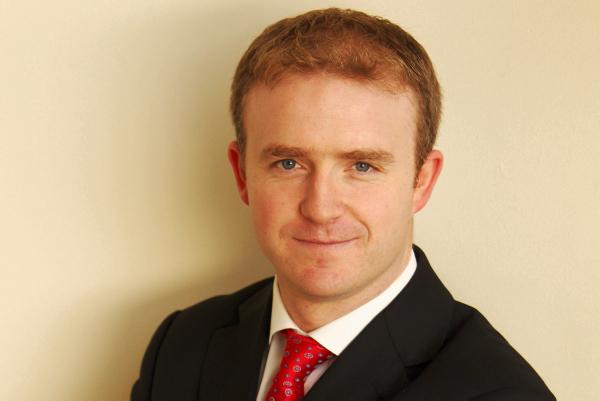
Nigel Lok and his team of employees in South Africa are milking 900 cows, supplying a volume-based milk market where milk is ultra heated treated (UHT) and sold to some of the 52m consumers within South Africa. Nigel has visited and lectured in Ireland three times with Alltech.



SHARING OPTIONS