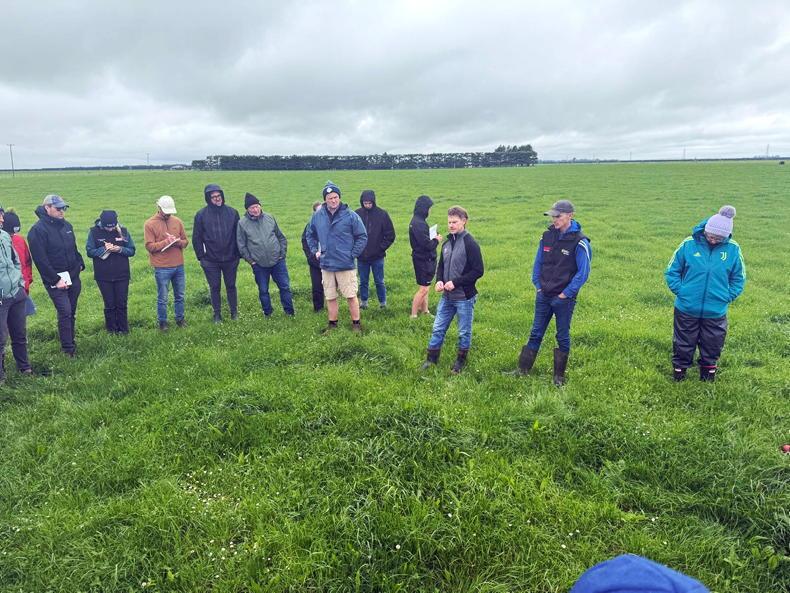
Goal setting, equity, return on investment and net worth growth are words I’m hearing over and over again as I travel across New Zealand.
As a young person fascinated with the entire dairy industry from top to bottom, the science behind it and the lifestyle dairy farming offers, there aren’t many farm walks, conferences or open days I don't get the chance to attend.
And, yet, I’ve only heard the words in the opening sentence of this article spoken a handful of times at most.
Funnily enough, each of those times it was by a farmer or someone in the industry who had been lucky enough to travel to New Zealand.
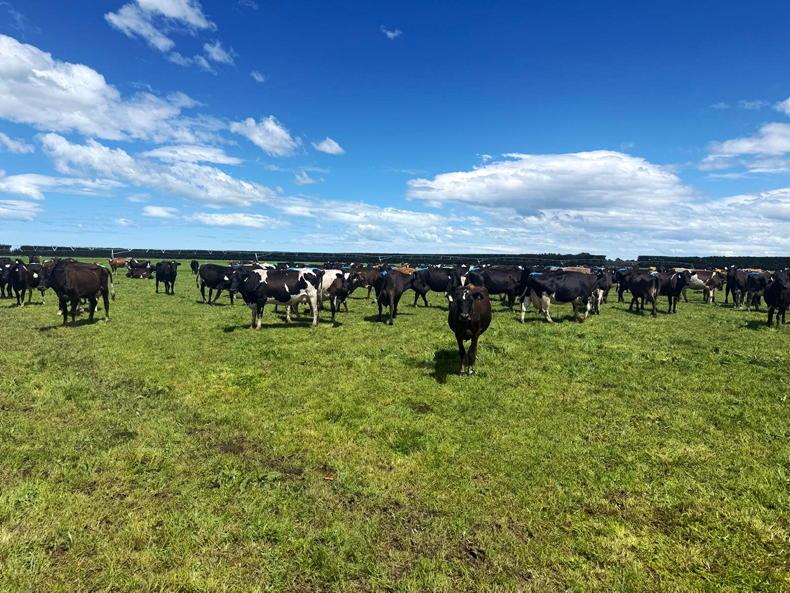
In the space of two weeks on the other side of the world, I’ve lost count of the number of times I’ve heard farmers talk about these topics.
Why is that? I’m asking myself this as I sit in the airport, waiting to return to normality, full of enthusiasm and learnings.
Why does so much of the Irish dairy sector operate under a code of silence when it comes to acknowledging the fact that, as well as being a great lifestyle, dairy farming can make farmers very wealthy people when it’s done right?
A culture thing
It’s a culture thing. It has to be. We’re fearful of sharing too much information in case the neighbours are talking or the locals think you’re getting above your station.
New Zealanders, somewhat like Americans, are, for the most part, able to talk about their goals, their personal financial position and the profitability of their farm business with a group of visiting farmers as freely as Irish farmers would discuss grass growth and the weather.
It’s something the Irish dairy sector needs to start talking about. Younger people entering the industry need to know the financial risks, but, more importantly, the financial opportunities and potential rewards that are there.
They are excellent at outlining the opportunities, setting out the pathways and instilling financial savviness
It certainly makes for a far more interesting story than hearing about the hardships and long hours over and over again from those who have gone before and are trapped in a negative loop of thinking.
Without doubt, this would help solve part of the succession and generational issue that exists.
Don’t get me wrong, not everything in the New Zealand dairy industry is good. They have their own issues in terms of water quality, bobby calves and much more.
However, one thing they really know how to do well is talk positively about their industry. They are excellent at outlining the opportunities, setting out the pathways and instilling financial savviness in young people – and we can learn a lot from it.
Privileged
I’m very much in the fortunate position that I’ve gotten to hear some of this information over the last two weeks. I’m also privileged that my position at the Irish Farmers Journal allows me to speak to many people at once through the basic medium of paper and ink.
Over the next couple of months, I plan to write in more detail about some of these learnings and explain how New Zealanders approach relatively simple things such as developing business strategies, setting personal goals and calculating returns on equity and capital.
We shouldn’t have to travel 25 hours around the world to hear simple messages on how to develop profitable and resilient dairy businesses and people, when we have some of the best and most successful farmers, researchers and advisers in the world dotted all around our very own island.
Keep an eye on the Irish Farmers Journal dairy section in print and online for more on this topic.