



Body condition score
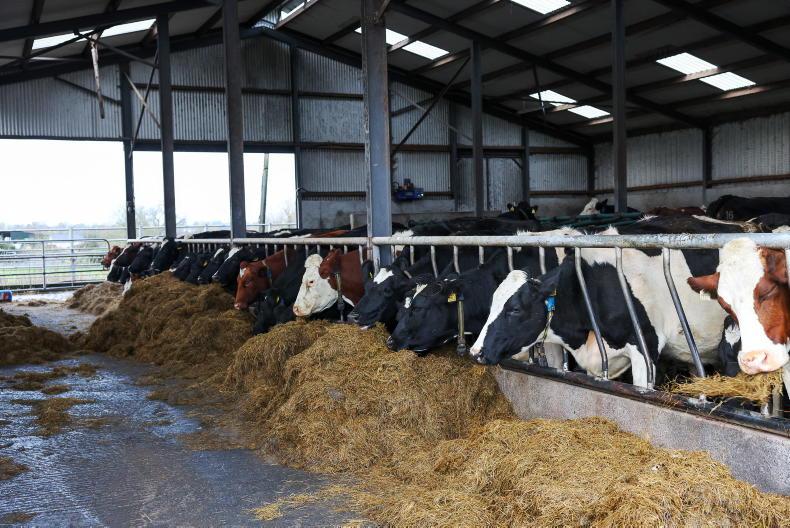
The optimum body condition score (BCS) at calving is for cows to be at 3.25. With a lot of extra meal fed this year (and not a lot of extra milk produced) cows are coming into the winter in good BCS. However, what happens between now and calving all depends on silage quality. The thing to remember with feed – whether it’s silage or grass – is that the better quality it is, the more of it cows will eat. This is why good-quality grass is so important, because not only will it be better quality kilo-for-kilo, but cows eat more of it, meaning they have more energy available for production.
The opposite is true for low-quality grass or silage – the quality will limit intakes. So even though animals might need to eat more of it in order to produce more or gain BCS, they just physically can’t eat enough because high-fibre material is slower to digest so the animal feels fuller for longer.
This is why farmers should be concerned about cows in low BCS eating middling-quality silage. There is a chance that they won’t gain the required BCS between now and calving time. BCS is something that needs to be closely monitored over the dry period. If cows are at BCS 3.25 now, then they may need to be put on restricted silage in order to prevent them from getting too fat.
Calf sheds
While it might seem a long way to the start of the main calving season, the weeks won’t be long slipping away between Christmas and the new year. I know some farmers have already started to get calf sheds set up and ready for the spring. It’s a good chance to get gates hanging, water troughs cleaned out and pens bedded. It’ll save a job for later in the season when things get much busier.
In terms of calf health, studies have found that many of the viruses that cause pneumonia live in the respiratory tract of healthy calves without causing any problems. It is only when the calf becomes stressed or immunocompromised that problems begin to emerge and the calf gets sick.
Therefore, preventing problems such as poor ventilation, poor bedding or poor feeding hygiene is essential to ensure healthy calves next spring. In some cases, remedial work is required in sheds in order to improve housing. In a lot of cases redesigning penning to make it possible or easier to clean out pens with a tractor means that the sheds are cleaned out more regularly which reduces disease risk.
Soil samples
Farmers are reminded of the need to carry out soil sampling at least once every four years. If there are no samples, then the Department will assume that those parcels have a soil index for phosphorus (P) of four, which means no P can be brought on to the farm in the form of fertiliser or slurry.
At least one sample is required for every 5ha, but farmers should be sampling every paddock at least every two years. The change from now is that each sample must be geotagged or the land parcel ID number written on the sample. This is the number used to identify the parcel on the BISS maps.




SHARING OPTIONS