Bulk-milk screening: With many spring-calving farms drying off cows, bulk-milk disease-screening results can help to determine if dosing is required. Results from such tests should be interpreted cautiously.
Donal Lynch from XLVets recommends that if milk screening results indicate high levels of exposure to parasites, it is important to confirm these results based on further testing. Taking a pooled dung sample for stomach worms from five or six younger cows within the herd with lower body condition scores or a pooled milk sample of five or six mature cows for liver fluke can confirm the problem.
The clinical condition of the herd should also be considered. In general, if the herd is in good body condition, have healthy coats and normal milk production, low bulk-milk test screening results indicate that there is no need to dose the herd at dry off. Donal suggests that if a large number of animals are in poor body condition score, have bad coats or show scours at this time of year, there is a high likelihood that parasites are causing problems and farmers should consult their veterinarian to come up with an effective treatment plan for the herd.
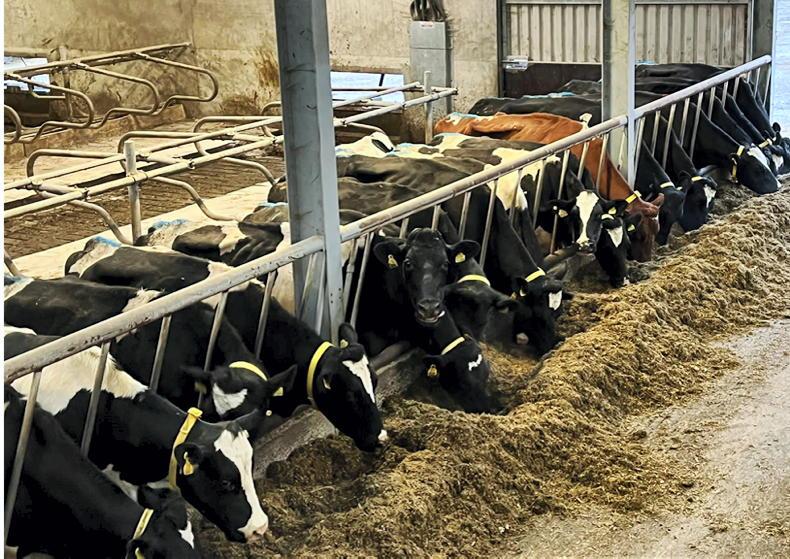
Autumn calving: Autumn herds are now indoors full-time and the main objective is to get on a steady diet over the next four weeks in the lead up to breeding. Silage should be tested at this point and freshly calved cows should be on the best quality feed available for the next two months. Speaking with Aidan Lawless in Teagasc Johnstown Castle, the last of the autumn cows are now calved and breeding will commence on 14 December at the research farm. The fresh calvers were grazing until last week and are currently producing 2.2kg milk solids (27kg milk at 4.56% fat and 3.35% protein). All routine vaccinations (IBR, lepto, etc.) have been completed during the dry period. The herd is on a diet of 5kg of an 18% crude protein ration in the parlour with 7.5kg of high-quality grass silage, 7.5kg of maize and 2kg of a 30% crude protein maize balancer ration fed at the head feed. The overall diet crude protein content should be kept at 16% during the winter housing period to maintain body condition score and deliver good reproductive performance results.
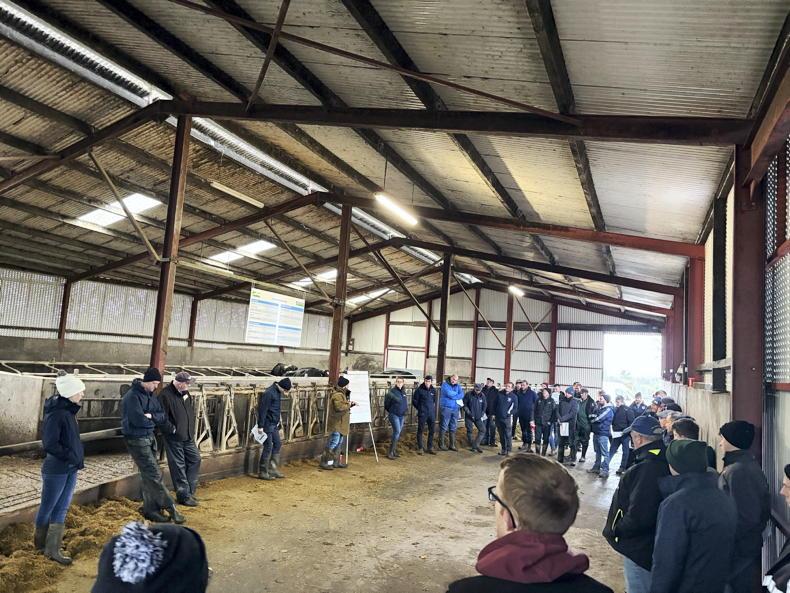
Picking bulls: The main criteria for selecting bulls for autumn calving herds are similar to spring-calving farms. At a recent Lakeland Dairies Teagasc Joint programme winter milk farm walk, farmers heard that a team of bulls with an EBI of greater than €200, combined fat and protein exceeding 20kg, fat and protein content exceeding 0.35% and with positive Health and Maintenance sub-indices should be selected. The highest EBI cows and the maiden heifers should be targeted with sexed semen to maximise genetic gain in the next generation of replacements. Sean Callan, an advisor on the joint programme, told the visiting farmers that split-calving herds should maintain two strict and distinct breeding periods with high six-week calving rates and no more than 5% of cows recycled between spring and autumn.