



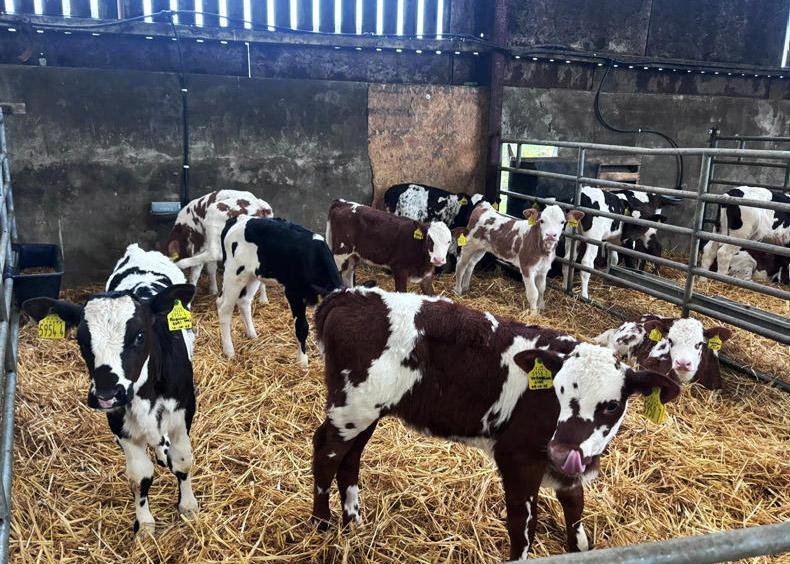
Calving has well and truly taken off with a bang, with over 50 cows calved, leaving us already halfway through.
This year, cows have been calving seven to ten days ahead of their due dates. I’ve heard people say this can happen when using sexed semen, but it’s not something we’ve experienced to this extent before.
Looking back, the first few heifers and cows to calve could probably have been brought in a little earlier, given how quickly things progressed. Thankfully, they all seem well settled now.
So far, we’ve had 36 heifer calves and three bulls from the sexed semen, with all these calves born from three different sires, so we can’t really complain about the results. The rest of the calves and anything left to calve are Aberdeen Angus that will be sold off farm at three weeks old.
Housing
Thankfully, we managed to get the calf house finished just in time, with calves moved in on the same day it was completed.
We did run out of rubber slat matting for the back pen, but we’re hoping it will be delivered soon - with so many cows calving in such a short space of time, every pen is needed.
All calves are currently receiving four litres morning and evening, and they’re moved into group pens at a week old with nine calves in each pen. This will be my third year using the milk taxi to pasteurise whole milk for the calves.
Grazing
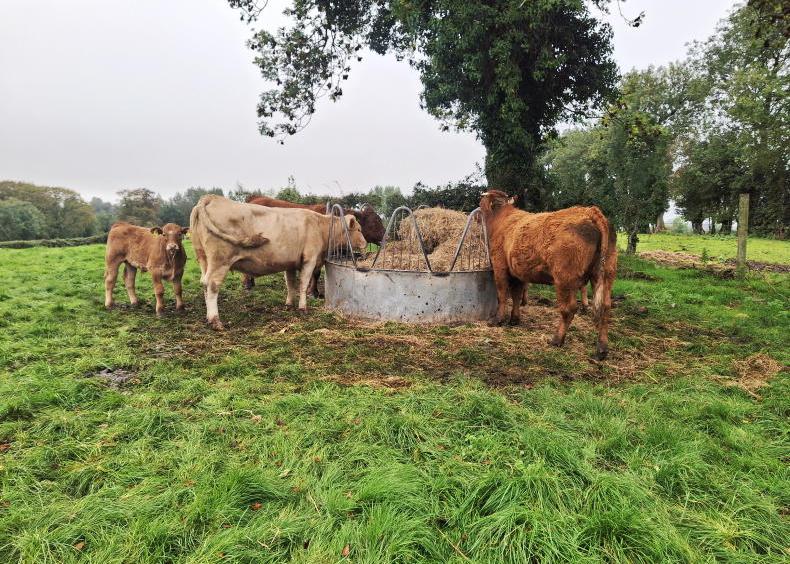
We finished night grazing last Tuesday 13 October, although the spring-calving cows are still grazing during the day. All the heifers and later-calving dry cows are also still out at grass. However, with more rain forecast towards the end of this week, it will probably bring the grazing season for 2026 to a close.
We’ve managed to graze most of the grass available, although unfortunately we did have to spread slurry on some covers that we probably could have grazed again. It was a pity to lose out on that grass, but we needed to get the tanks and lagoon emptied before the slurry spreading ban came into effect.
Maize
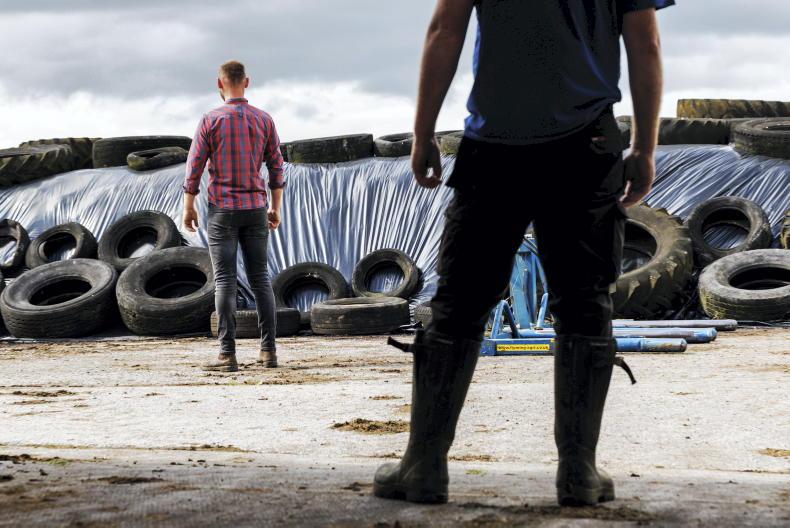
On 9 October, we ensiled this year’s maize silage.
Over the past number of years, we’ve bought maize from Ardee, with it delivered in walking-floor lorry loads. This year, however, we sourced it from a local farm.
This is my fifth year feeding maize silage, and it’s something I wouldn’t like to do without now, particularly for freshly calved cows. I find it helps increase intakes, maintain body condition during early lactation and, ultimately, it improves both production and conception rates.
We did have between 40 and 50 tonnes of maize left over from last year, although I think I’ll aim to empty the pit completely this winter. Freshly calved cows are currently receiving 10kg of maize silage per day, but I’ll assess how quickly we’re getting through it in the New Year and increase the feeding rate if it looks like we’ll have too much left over.
The maize we carried over from last year didn’t keep particularly well, and we had to remove quite a bit from the face and top of the pit. Given the cost of maize silage and also that we had added a lot of salt to the top of the pit to preserve it, it was frustrating to see that level of waste.
My thinking earlier this year was that any maize left over would complement fresh spring grass.
However, once we moved to full-time grazing and the cows were getting enough grass, they had very little interest in the maize silage. As a result, it started heating in the feeding passages, leading to further waste.
Next year I intend carrying over some grass silage instead, as there tends to be less wastage.
Over the weeks ahead we will focus on getting the rest of the cows calved safely and everything housed and settled into our winter routine, with hopefully a slightly quieter end to the year.



SHARING OPTIONS