



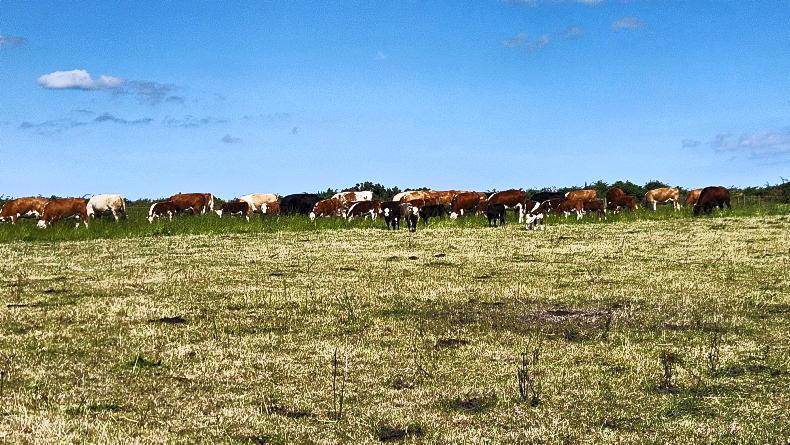
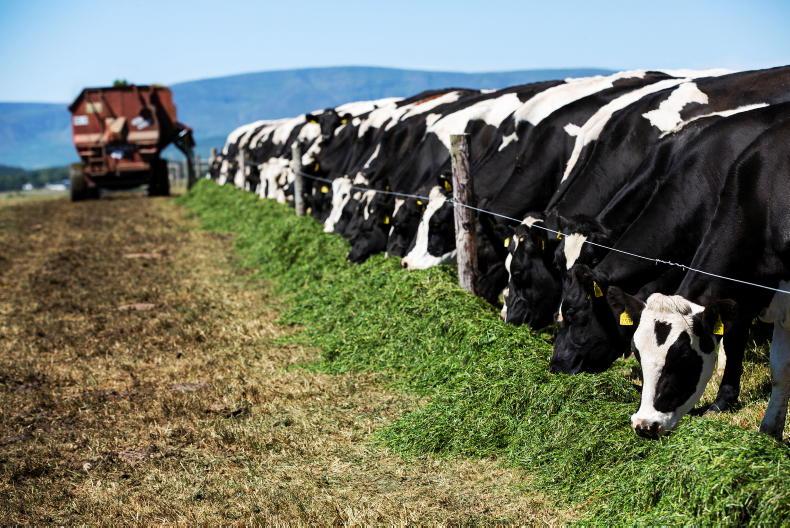
Grass: They say no two years are the same but this August and last August are very similar in terms of weather and grass supply. Many farms in the south and east are in full summer drought mode once again, feeding 4kg to 5kg of meal and the same in either palm kernel or silage.
The saving grace is that silage is plentiful, so unlike this time last year farmers are less concerned about having enough winter feed. In western parts it’s the opposite problem with too much grass around. As Daire Cregg outlines on page 39, every farmer needs to make the right decisions for their farm and the only real way of getting anywhere close to making right decisions is to have the right information.
That means measuring grass and using an autumn grass budget to track where the farm is at relative to target. By having this information, decisions around how much supplement to feed are made easy.
Because growth is unusual, having a grass budget is more important than ever. Farmers on heavy ground shouldn’t be building up big covers of grass as they head into September because if the weather changes they’ll be left with rotting grass that can’t be grazed. Yet, if too much silage is cut now and if the weather changes or the steam goes out of growth rates then an opportunity to build grass will have been missed. Similarly, those short of grass now will struggle to build any covers this autumn unless they get rain soon.
Taxation: This is the time of year when many farmers meet up with their accountants to go through last year’s set of accounts. For many, the objective is simply to work out how much tax is due. In practice, the meeting should be more than that.
It’s an opportunity to chat through the profit and loss account and get advice and a steer on how certain items can be increased or decreased. Accountants from larger firms will be able to compare the farm’s figures to other similarly sized farms. The other key thing to get from the meeting is around future direction. If the accountant knows what the plan or the ambition is, they can start to prepare for that, whether its expansion, retirement, succession or a big cap-ex project. Finally, avoid making poor decisions with free cash. Buying machinery to suppress a tax bill is a poor use of funds. Remember, tax bills are likely to be very high next year, based off higher profits this year and yet we don’t know what the profitability will be like next year so keep that in mind when planning what to spend money on. Every farm should aim to have a cash buffer of about €500/cow in reserve.
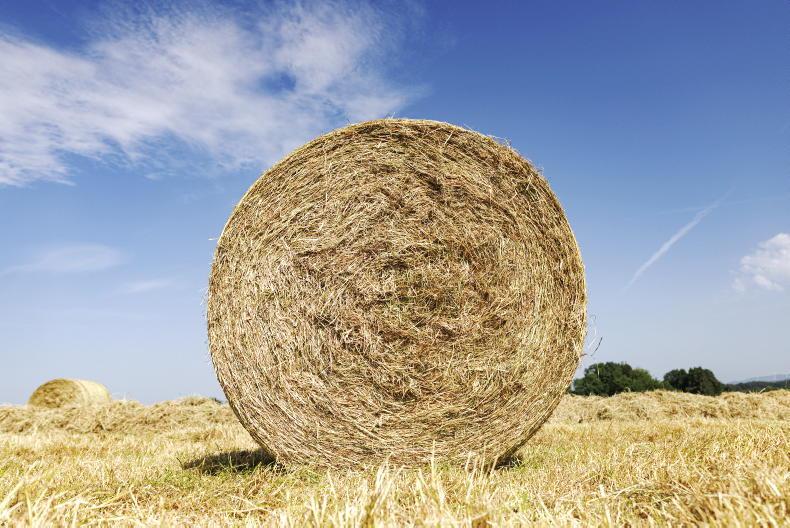
Feed stocks: The general consensus is that there is plenty of silage made in the country, with more sellers than buyers of silage and hay. It’s an opportunity for farmers that are often “on the edge” for silage to stock up. Buying round bales of silage is a bit of a lottery; in general it’s either poor quality or very poor quality. A good preservation is not an indicator of quality, DMD is. If buying round bales that may not be used next winter, make sure they are double wrapped to keep the air out for longer.



SHARING OPTIONS