



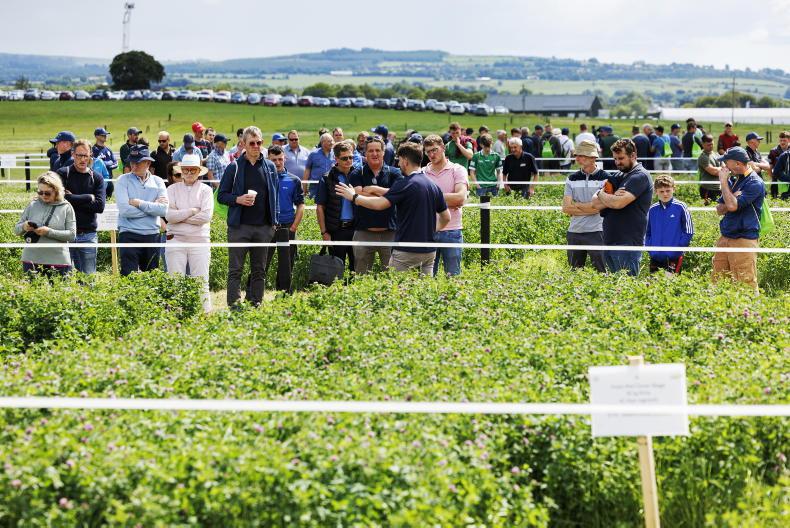
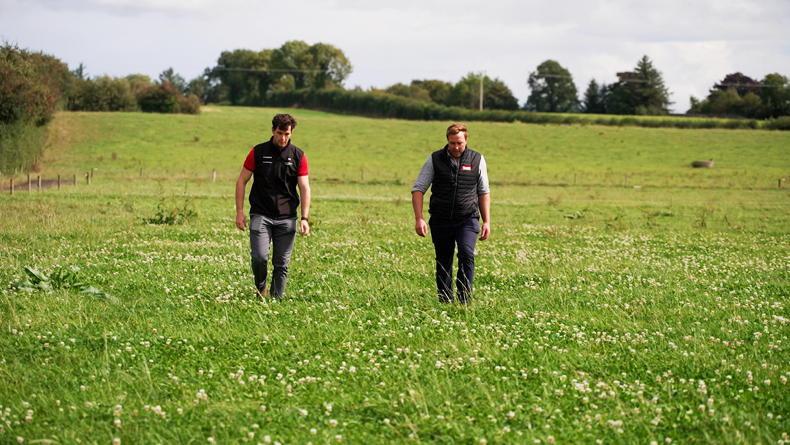
Grass: Grass growth rates are holding up very well at present with an average of 70kg DM/ha/day recorded nationally. Many farms are growing well in excess of that, with 90kg to 100kg/day being talked about in many locations. However, parts of the country remain dry and soil moisture deficits are beginning to affect growth rates again.
As if to add to their woes, Cork farmers are the worst affected with soil moisture deficits approaching 50mm closest to the city. In contrast, most of the rest of the country has a soil moisture deficit of between zero and 10mm, while the northwest has a soil moisture deficit of -10mm, meaning soils are waterlogged.
Where moisture isn’t lacking and growth is good, farmers can afford to be ruthless with taking out surplus paddocks and keep the cover in or around 200kg/cow. As there is little or no rain in the forecast, it’s likely that soil moisture deficits are going to increase so farmers in areas that are getting dry need to be more conservative. It might make sense to graze some paddocks that are gone strong.
Contract rearing: In this week’s paper, we take a look at the costs involved in getting a replacement heifer to two years of age. The headline figure of €1,722/head doesn’t include the opportunity cost of selling the heifer at a few weeks of age, so those who are rearing heifers to sell them, or comparing the price of a home-reared heifer to a bought-in heifer should be factoring that in. If the opportunity cost is say €600/head, then the total cost of rearing the heifer is €2,322/head.
These costs are the full costs, so are not the same as contract-rearing costs, which are also discussed in the piece. Everyone agrees that the costs of rearing animals has increased over recent years with higher land, labour and fertiliser costs.
How much to pay per day all depends on what is and what is not being provided. Not only is the capability of the rearer important for a successful outcome, but the capability of the land and the grass species on the farm are also critical.
To get good performance, young calves need to be grazing good-quality ryegrass swards. You can’t compare performance under a suckler system to performance under a dairy calf system as suckler calves mostly drink high-protein milk while dairy calves have to get almost all of their energy and protein from grass.
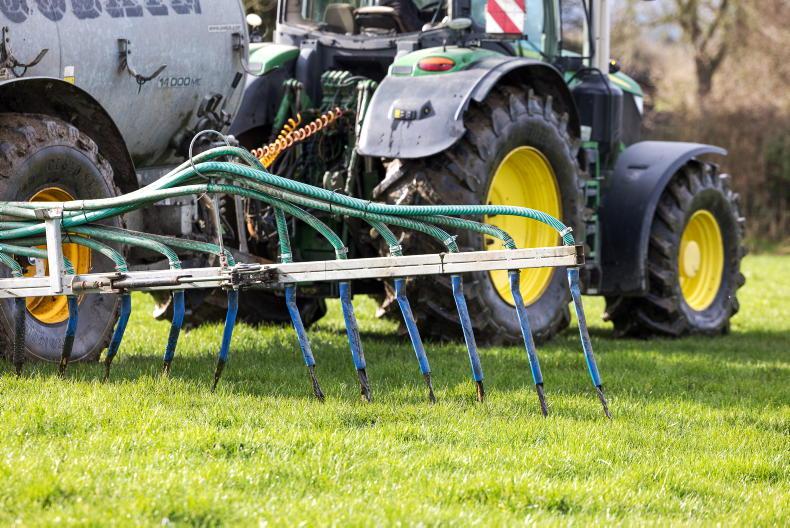
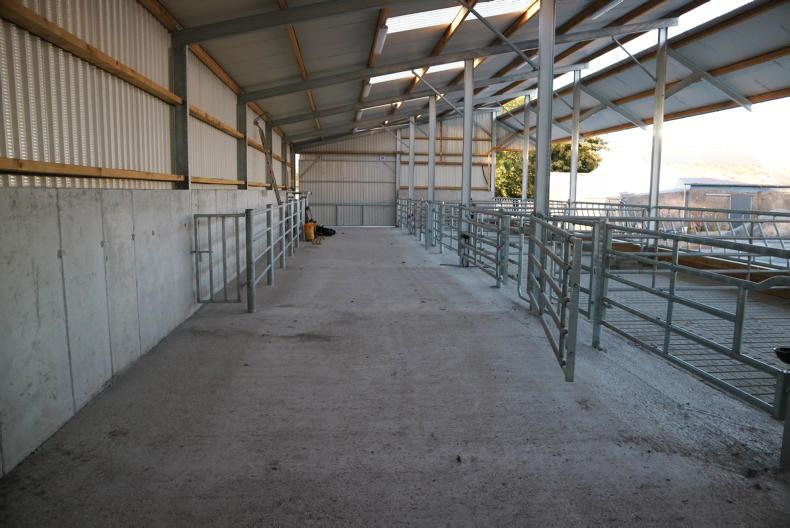
Slurry storage: The Government recently launched a public consultation on planning exemptions for sheds and slurry storage. On slurry, the Irish Farmers Journal understands the proposal is to allow an exemption for new slurry storage of up to 1,000m3, once the total amount of slurry storage on the farm doesn’t exceed 1,500m3.
To put that in context, under current rules a dairy cow requires 5.94m3 of storage for an 18-week winter. So in an 18-week region, 1,500m3 of storage would equate to storage for 252 cows. If approved, the exemption would allow for up to 1,000m3 to be built without planning permission provided the total slurry storage on the farm doesn’t exceed 1,500m3. Other conditions will also apply such as proximity to other buildings and other premises.



SHARING OPTIONS