



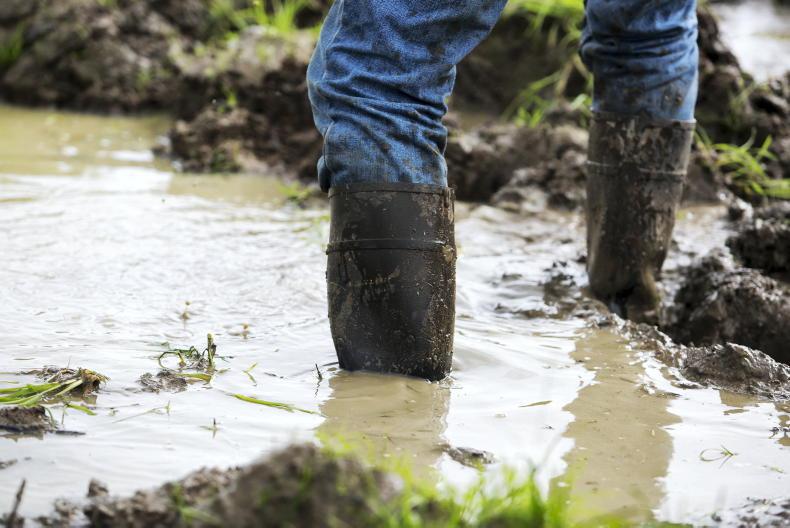
Extremely heavy rain towards the of last week with over 70mm of rain falling in some places has forced herds inside in many parts.
Wet land was already wet well before the most recent rain so adding this quantity of moisture to land that was already at field capacity is the last thing farmers needed or wanted.
Farmers are grappling with the poor conditions up and down the west coast and indeed on heavier soils elsewhere.
With an improvement in the weather forecast for this week, short term actions such as moving to dry ground may get some farmers out of jail.
Other tools such as on/off grazing, using 12-hour breaks, back-fencing, using multiple access points and so on will be a benefit where land is wet but not too wet.
The golden rule of autumn grazing is to avoid doing damage as land that is damaged now will not heal in time for next spring and spring grazing is far more valuable than autumn grazing.
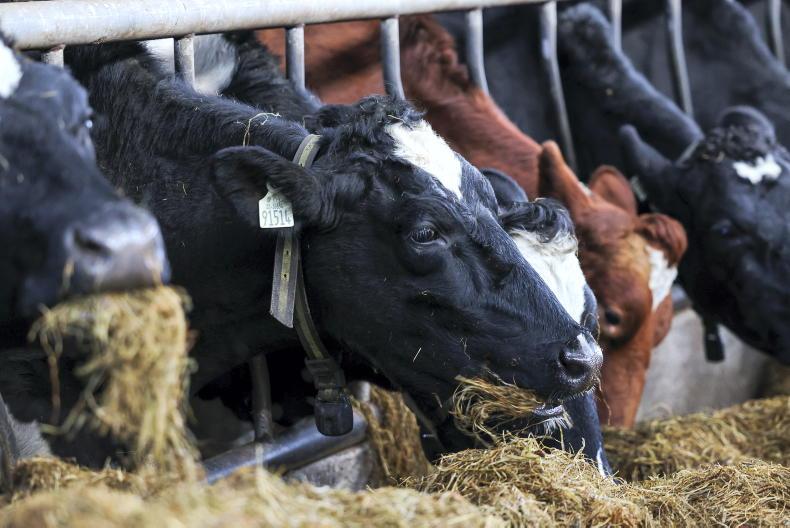
Therefore, if there is a risk of poaching even after using some or all of the tools described above, then housing is probably the correct action.
Keep assessing the grazing situation to check when conditions are good enough to resume grazing. With a relatively dry forecast for this week its possible that farms that have cows housed now could actually have them back out again by later in this week.
For those on drier land where grazing conditions are better, the thoughts are now turning to closing up paddocks for the autumn.
While part of me thinks that choosing when to close up paddocks based on dates is an academic exercise because it is closing covers that decides the date grazing ends, it’s important to keep in mind that paddocks grazed now will be unlikely to be grazed again in 2025.
This means that these paddocks will be carrying the highest covers into the winter and will have the most amount of grass on them in the spring.
Typically, these paddocks won’t be grazed until early March. There are two types of paddocks that this should be avoided in, firstly, paddocks that have a high clover content and secondly, paddocks that are wet.
It’s hard to get everything right when it comes to grazing management, but as someone said to me recently, it’s about making as few mistakes as possible and certainly, planning ahead and measuring and budgeting grass will help to improve decision making.


SHARING OPTIONS